






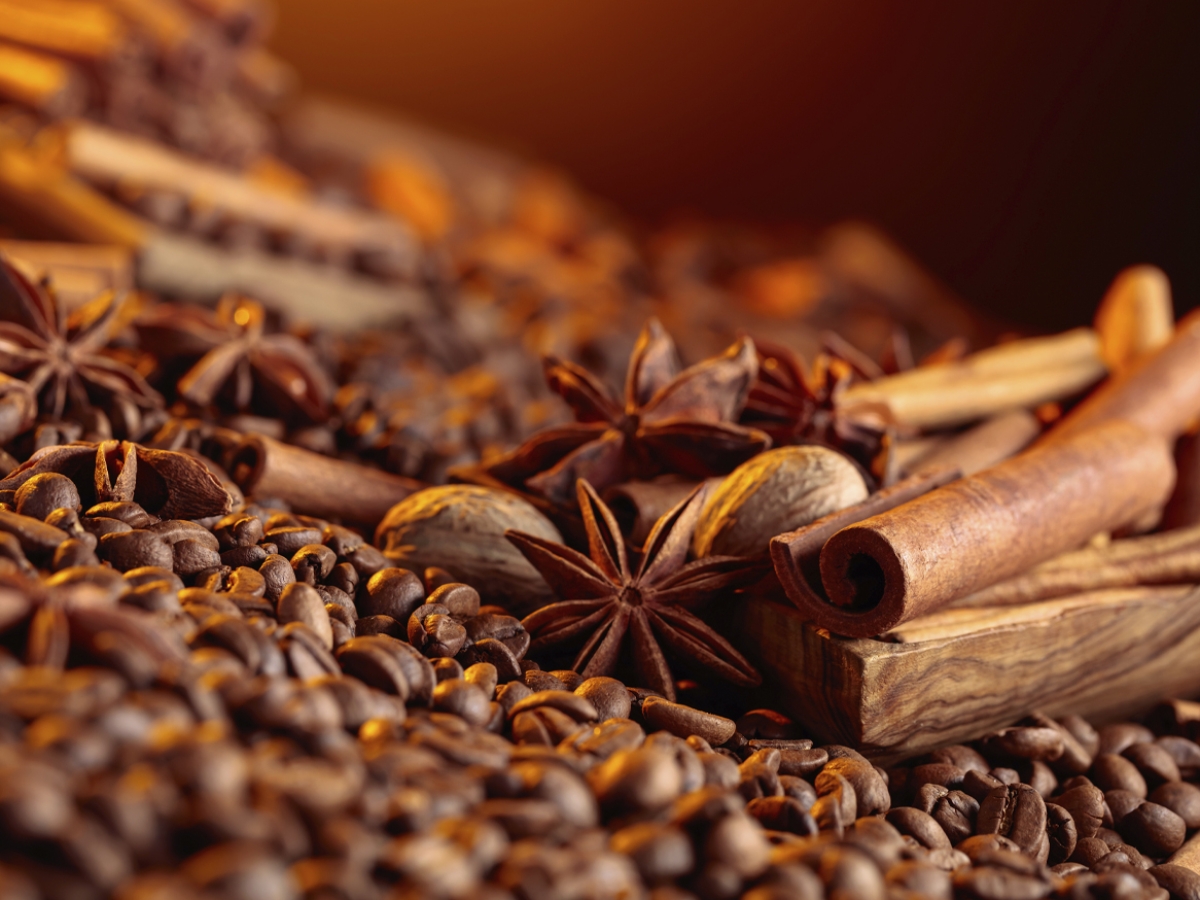
Winter is the season of longer breaks, attention to detail, and everyday comforts. At the counter, this translates into a clear expectation: customers look for warmer, more enveloping coffee beverages, with intense aromatic profiles and a sense of comfort that goes beyond the traditional espresso.
For baristas, this time of year represents a concrete opportunity: rethinking the menu with a seasonal approach without losing coherence with the house blend.
This is where winter coffee beverages come into play, not as simple flavored variations, but as a natural extension of the work done on the raw material.
Winter Beverages and Venue Identity
An effective winter menu is not built by piling up options, but by choosing a clear direction. Winter coffee drinks work when they reinforce the identity of the venue, supporting the character of the blend rather than overpowering it.
In this sense, value does not lie in recipe complexity, but in coherence. A well-designed beverage should be recognizable, repeatable, and aligned with the way the bar operates every day.
From an operational standpoint, consistency also means avoiding drinks that require unnecessary extra steps, hard-to-manage ingredients, or recipes that can vary in outcome from one shift to another. A good winter beverage must be easy to explain in a few words and reliably reproducible, because in daily service, quality is built above all on consistency.
Spiced Coffee: A Professional Approach
Talking about spiced coffee in a professional context means moving beyond the idea of aroma as an end in itself. Spices are not decorative additions, but technical tools that allow baristas to work on nuances already present in the blend.
Cinnamon, cardamom, or ginger, when used with balance, can add emphasis, creating structured coffee-and-spice pairings suitable for the winter season.
The mistake to avoid is using spice as a cover, cancelling out the character of the coffee. In a professional approach, spice is not a flavor that replaces coffee, but an aromatic extension that works with the existing profile. It can amplify warm sensations or create a clean, interesting contrast.
This is where thoughtful tasting becomes essential: the same spice behaves differently depending on roast level, body, acidity, and overall structure of the blend. Using a “trendy” spice without considering this dialogue can produce drinks that may be pleasant, but do not truly enhance the coffee.
Gourmet Recipes for Bars: From Creativity to Method
In a professional setting, gourmet bar recipes cannot rely on improvisation. Every winter beverage must be designed with a balance between creativity and method, taking into account service times and ease of execution.
For this reason, many winter coffee drinks are built on aromatic bases or controlled infusions, which make it possible to maintain consistent results over time. Quality, in this case, is not tied to a spontaneous gesture, but to the ability to replicate the same experience in every cup.
Spices in Coffee: Choosing According to the Blend
Adding spices to coffee requires careful evaluation of the blend used at the bar. Each spice interacts differently with the acidity, body, and aromatic profile of the espresso.
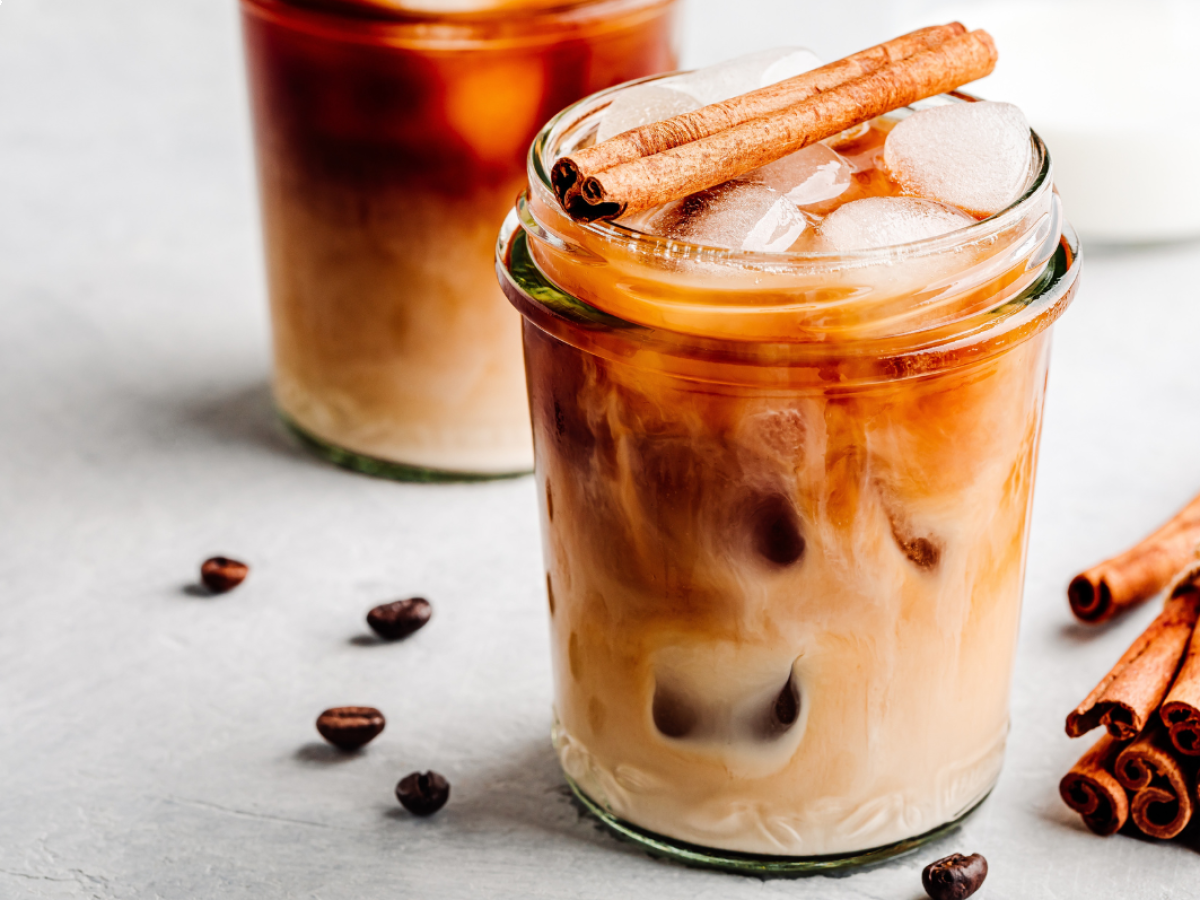
Cinnamon, for example, is among the most widely used spices in winter coffee beverages thanks to its roundness and ease of integration into service. It is no coincidence that it often features in dedicated preparations.
Other spices, more complex or more pungent, require greater care in recipe design, especially to ensure consistency and repeatability.
Here are some coffee and spice pairings that work particularly well in winter:
- Cinnamon: round, immediate, comforting. Pairs well with blends featuring more developed roast notes.
- Cardamom: citrusy, balsamic, elegant. A classic combination in several Middle Eastern coffee traditions.
- Ginger: more linear and “clean,” useful when aiming for a less sweet beverage with a more digestible finish. It also works well with citrus accents.
- Pink peppercorn: floral and fruity rather than hot. To be used with a light hand and a clear concept.
- Star anise: delivers a sweet, balsamic aromatic profile with an elegant note. It performs best with full-bodied, low-acidity blends and gives optimal results when used in controlled infusions or as a light aromatic accent, as it can easily dominate if overused.
- Cloves: more intense and pungent, immediately evocative of winter spices and baked goods. Effective in small doses and to be handled carefully to avoid an overly dry finish.
Hot Coffee Beverages as a Seasonal Experience
Adding a few hot coffee drinks to the winter menu means offering customers a different, slower and more mindful experience, without moving away from the core identity of the bar.
Spices thus become a language, not a special effect. A way to tell the story of coffee in a season that invites pause, tasting, and attention to nuance.
When this balance is achieved, winter coffee beverages stop being simple alternatives and become an integral part of the venue’s identity.
Related articles




Portioli Express
Home and office shopping
Experience authentic Italian espresso right at home with our premium blends in a variety of formats.
Go to the shop