






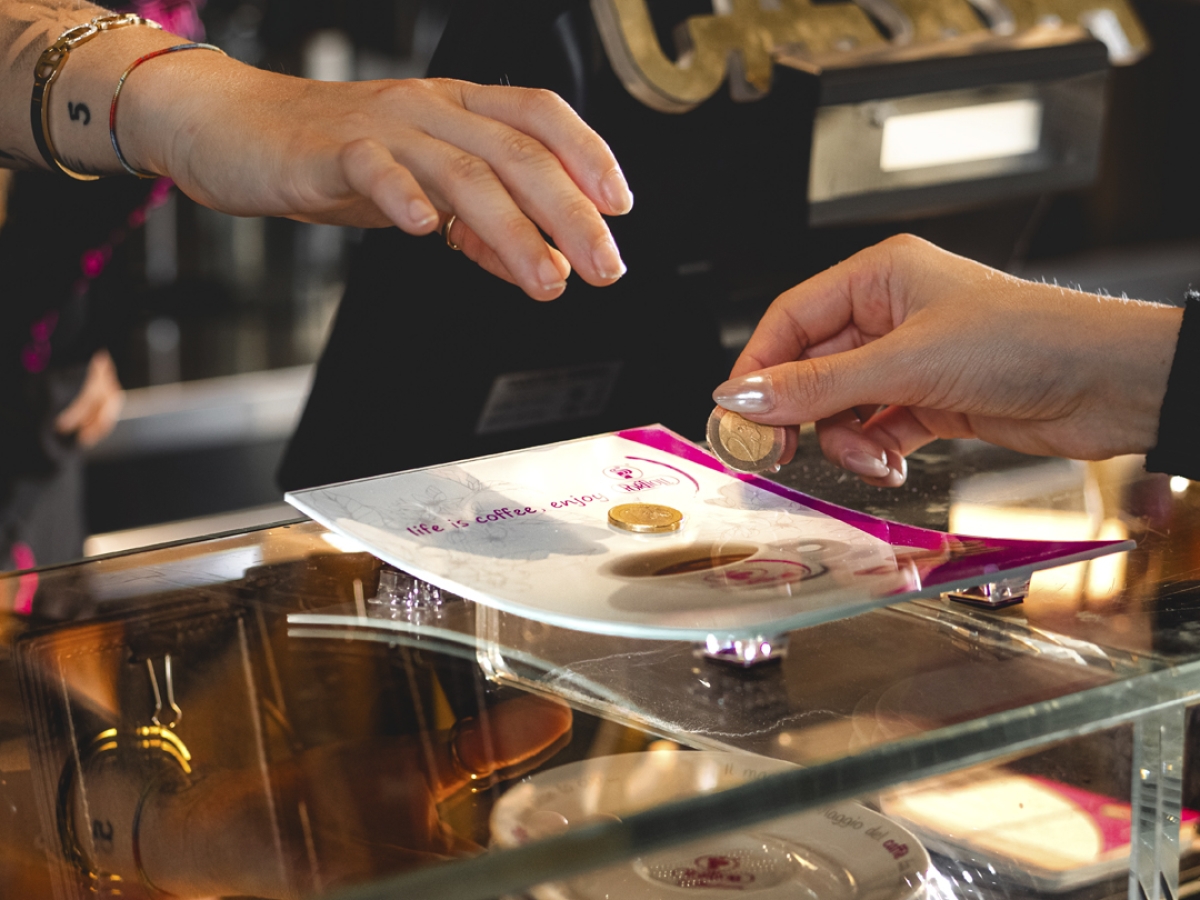
Running a bar means making continuous decisions about staffing, product selection, workflows, and cup quality. What separates intuitive management from structured growth is the ability to read and interpret the right indicators over time. This is the real role of bar KPIs: showing whether the business is operating efficiently, sustainably, and in line with the experience you want customers to perceive.
Among all products, coffee offers the clearest lens through which to observe operational dynamics. It is ordered throughout the day and requires precision, consistency, and coordination between people, equipment, and processes. Using coffee as a reference point makes bar performance indicators easier to translate into concrete actions, rather than abstract management data.
Why Bar KPIs Matter in Daily Operations
KPIs in bar management are often seen as complex control tools or reports reviewed only after issues arise. In reality, their value lies in their ability to support timely decisions, before inefficiencies become habits.
Well-selected bar performance indicators help connect daily organization, product quality, and service execution. This approach turns numbers into practical support for bar management control, helping owners and managers maintain clarity while adapting quickly to operational changes.
Average Bar Receipt and Perceived Service Value
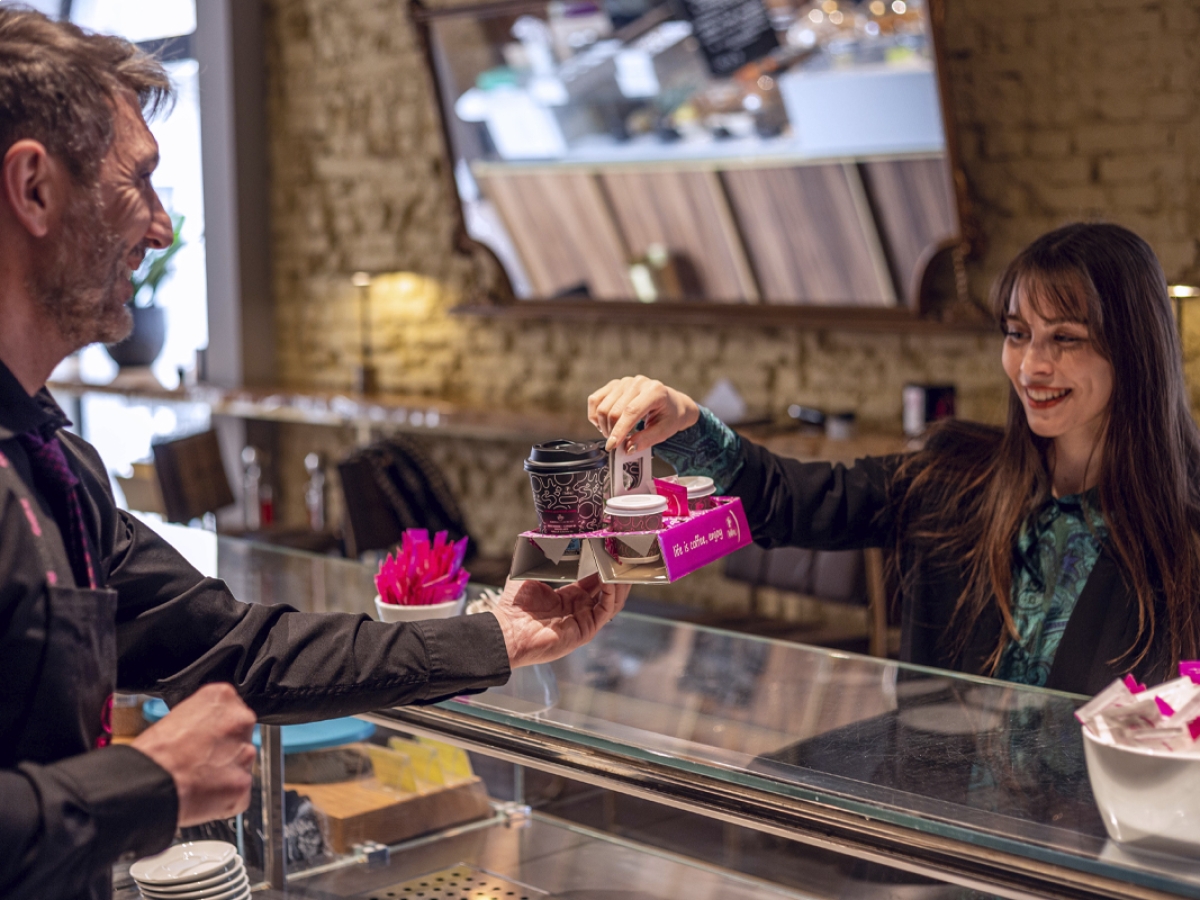
The average bar receipt is one of the most telling indicators of how effectively a bar enhances its offer. Beyond revenue, it reflects how the menu is structured, how suggestions are made at the counter, and how complementary products are integrated into the customer journey.
When this metric remains stable or grows, it usually indicates coherence between the offer and customer expectations. A decline, on the other hand, may highlight the need to adjust product mix, visual presentation, or service approach. In this sense, the average bar receipt works as a qualitative signal, not just a financial one.
Seasonality plays an important role. During winter, for instance, carefully designed coffee-based hot drinks or a focused selection of seasonal beverages can naturally support breakfast upselling in bars, increasing value without compromising brand identity. Tracking the average receipt helps assess whether these menu choices are actually enhancing the experience.
Beverage Cost and Operational Consistency
Beverage cost is one of the clearest expressions of operational discipline in a bar. It doesn’t exist only on spreadsheets. It is shaped by preparation standards, dosing accuracy, and service routines.
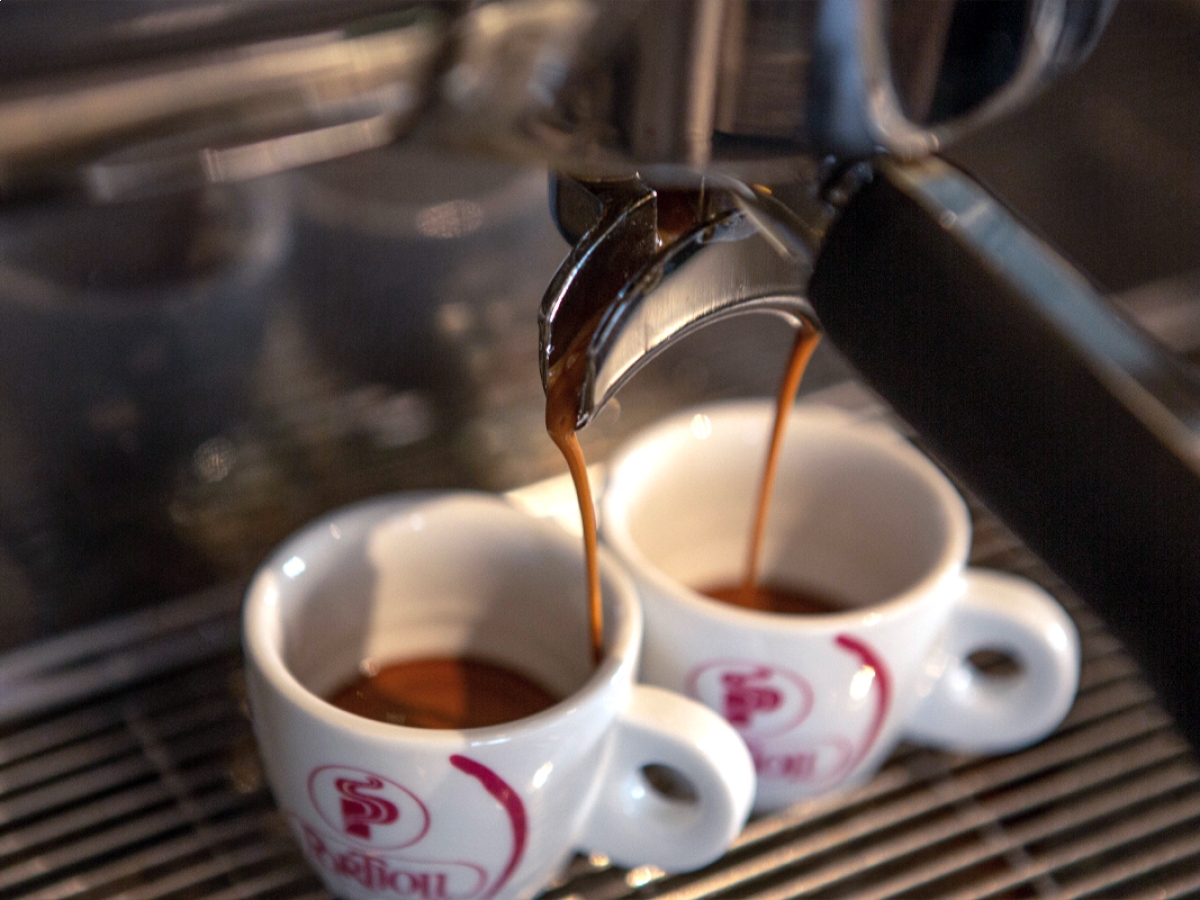
In coffee service, consistency between product usage and extraction count depends largely on shared methods. Variations in preparation, unverified grinder settings, or different habits across shifts can quickly affect consumption and make cost control unstable.
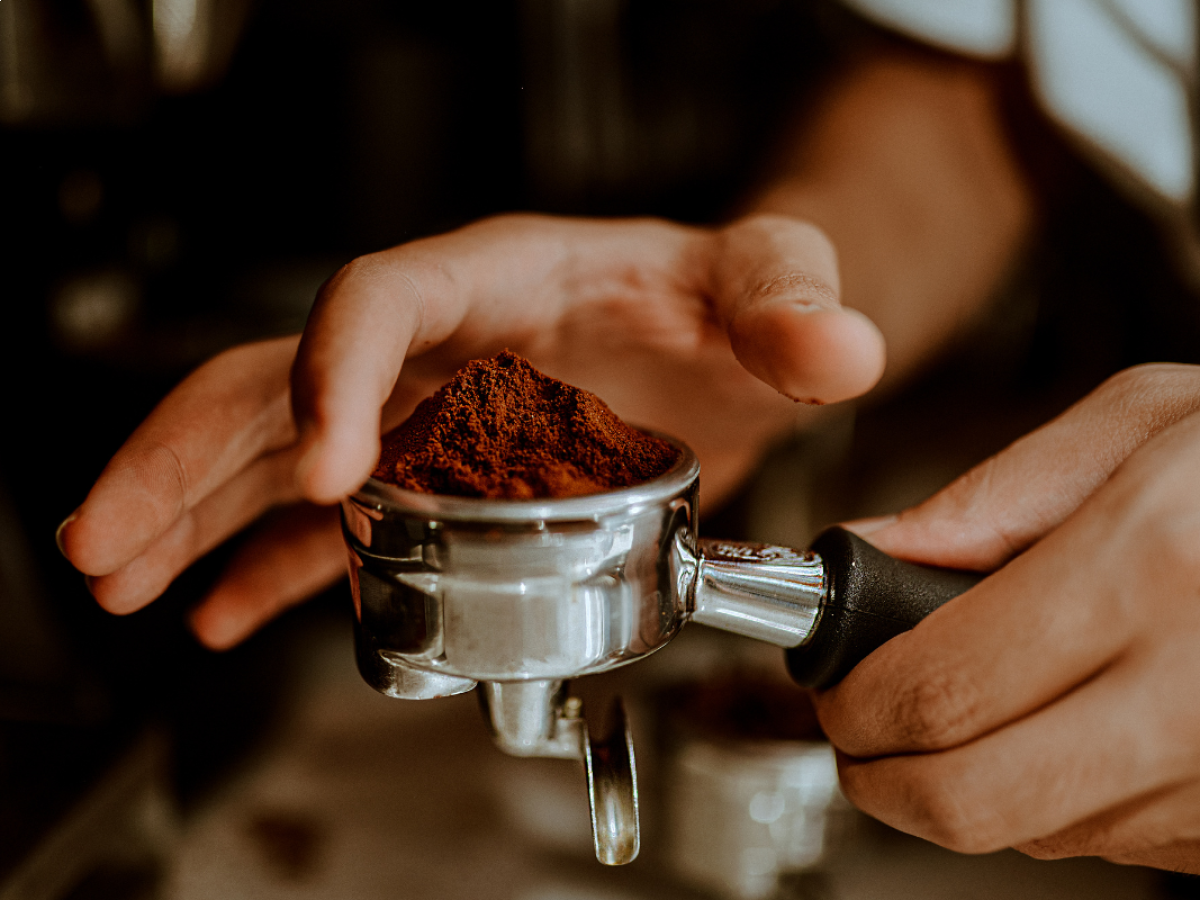
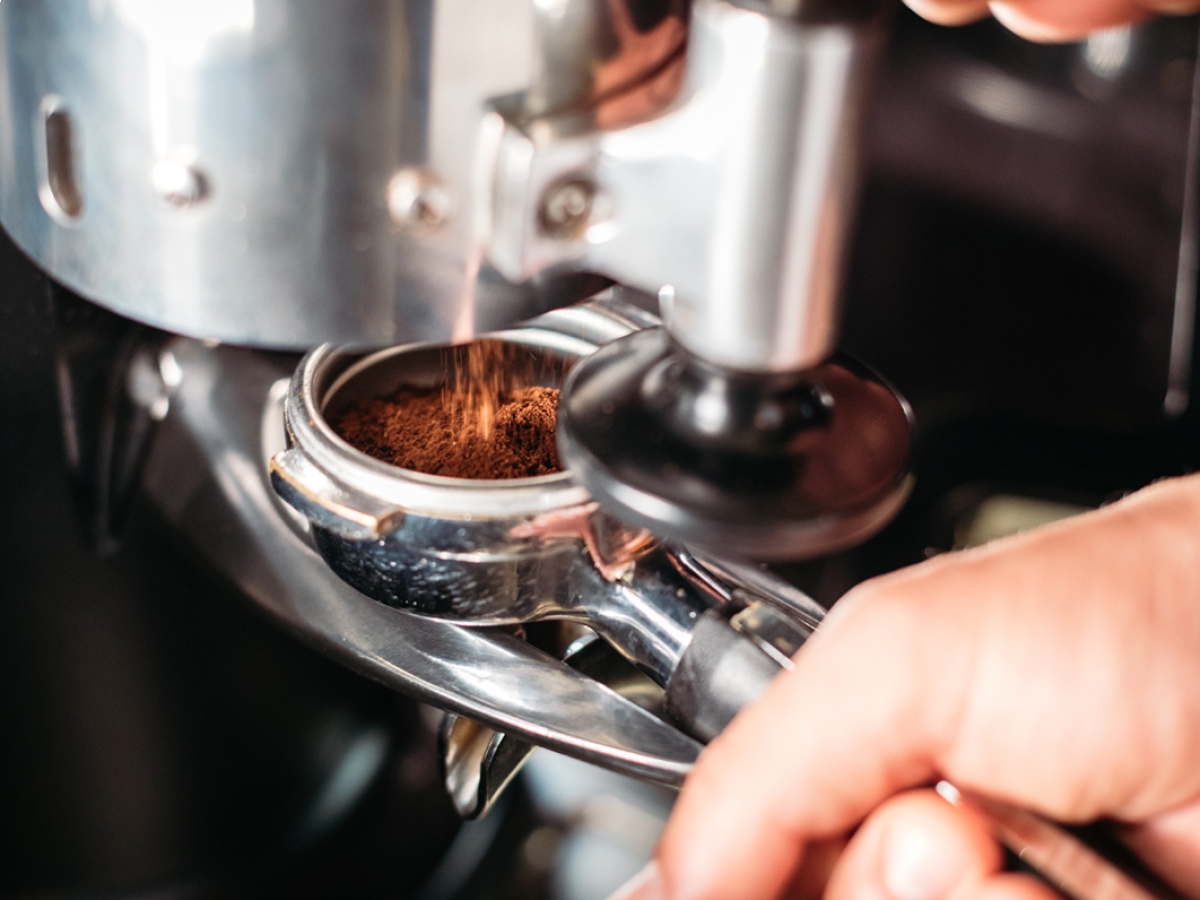
This is why defining a clear standard, starting from the espresso coffee dose, is essential. Understanding the correct grams of coffee per espresso and applying them consistently helps balance quality and efficiency. When procedures are aligned, cost control becomes more predictable and supports long-term sustainability.
Inventory Turnover and Waste Reduction
Inventory turnover is often underestimated in bar operations, yet it strongly influences both quality and efficiency. Stock that does not reflect actual sales volumes can compromise freshness and complicate purchasing decisions.
Monitoring how much product enters storage, how quickly it is used, and how often it is reordered allows managers to align supply with real demand. This is particularly important for coffee, where freshness directly affects cup quality.
Efficient inventory management also plays a key role in strategies to reduce waste in bars. When the flow between storage and counter is under control, it becomes easier to maintain consistent results and avoid unnecessary losses.
Service Times as a Performance Indicator
Among the most perceptible bar performance indicators are bar service times. Customers may not measure them explicitly, but they immediately sense when service flows smoothly, even during peak hours.
Coffee preparation often sets the pace of the entire counter. When workflows are unclear or procedures differ between staff members, service becomes irregular and error-prone. Monitoring service times during busy periods helps identify bottlenecks and unnecessary steps.
Used correctly, this KPI supports improvements in efficiency without sacrificing attention or product quality, reinforcing the overall customer experience.
KPIs as a Tool for Quality and Experience
KPIs do not replace professional intuition or product quality. Instead, they help enhance both by making the decisions behind daily service clearer and more consistent. When integrated into daily routines, bar KPIs help align operational choices with product quality and customer perception.
In coffee service, this alignment leads to greater consistency in the cup and a more recognizable experience for the customer. Over time, these indicators support a bar’s identity rather than diluting it, turning data into a quiet ally of quality.
Related articles





























Portioli Express
Home and office shopping
Experience authentic Italian espresso right at home with our premium blends in a variety of formats.
Go to the shop