







HACCP is the self-control system governing the management of health and hygiene risks in businesses that produce, store, or serve food and beverages. It is not an accessory requirement, but a structural principle of work organization.
An HACCP for bars without a kitchen also falls entirely within this framework. The lack of hot food preparation does not eliminate the obligation of food safety management, because the premises store perishable products, handle ready-to-eat foods, use equipment in contact with beverages, and manage the cold chain.
The operational complexity changes compared to a restaurant, but not the responsibility. In this context, HACCP for bars should not be understood as a set of abstract rules, but as a consistent system aligned with daily service at the counter.
HACCP Regulations for Bars: Application and Responsibilities
The HACCP regulations for bars regarding food hygiene stipulate that every food business operator must adopt a self-control system proportionate to their activity. For a coffee shop, this means analyzing the risks associated with the operations actually performed and defining appropriate procedures to prevent or control them.
In a bar without a kitchen, risks do not stem from the complexity of food preparations, but from the frequency of operations: milk management, storage of fresh products, continuous use of refrigerators and refrigerated counters, handling of ready-to-consume foods, and equipment cleaning. The repetitive nature of these activities requires standardization. Self-control, in this sense, is a methodical tool even before it is a regulatory obligation.
HACCP Manual and Self-control Plan in a Bar
The HACCP manual for bars, also known as the HACCP self-control manual for bars, describes the organization adopted by the premises to ensure food safety. Its value does not lie in the length of the document, but in its consistency with operational reality. In a bar without a kitchen, the HACCP plan for bars must accurately reflect:
- the activities actually carried out;
- the critical control points related to storage and serving;
- cleaning and sanitization procedures;
- temperature management;
- stock rotation and expiration date control;
- product traceability;
- staff training.
A generic manual, not adhering to actual service, loses effectiveness both from a management perspective and during health inspections. Conversely, a plan calibrated on the actual dynamics of the counter allows for consistency between planned procedures and applied behaviors.
Critical Points in Coffee Shop Service
In a bar without a kitchen, critical points are fewer compared to a full restaurant business, but they are constant and strictly linked to daily operations.
Milk Management
Milk is one of the most sensitive elements in a coffee shop. Proper refrigerator storage, the time spent out of temperature during service, steam wand cleaning, and residue prevention are aspects that directly affect product safety. Critical issues do not stem from single obvious mistakes, but from the accumulation of small deviations over time. Defining clear procedures applicable even during peak hours allows for maintaining operational stability.
The Cold Chain
The management of refrigerators and refrigerated counters is one of the main areas of verification during inspections. Besides complying with storage temperatures, internal organization, product separation, stock rotation, and equipment maintenance are also important. Temperature recording has value only if linked to an effective monitoring system and any corrective actions.
Counter and Surfaces
The counter is a high-density operational area: utensils, cups, ready foods, detergents, and surfaces coexist in a limited space. Contamination prevention requires orderly management of work areas, a clear distinction between cleaning tools and surfaces in contact with food, as well as regular equipment sanitization.
Equipment
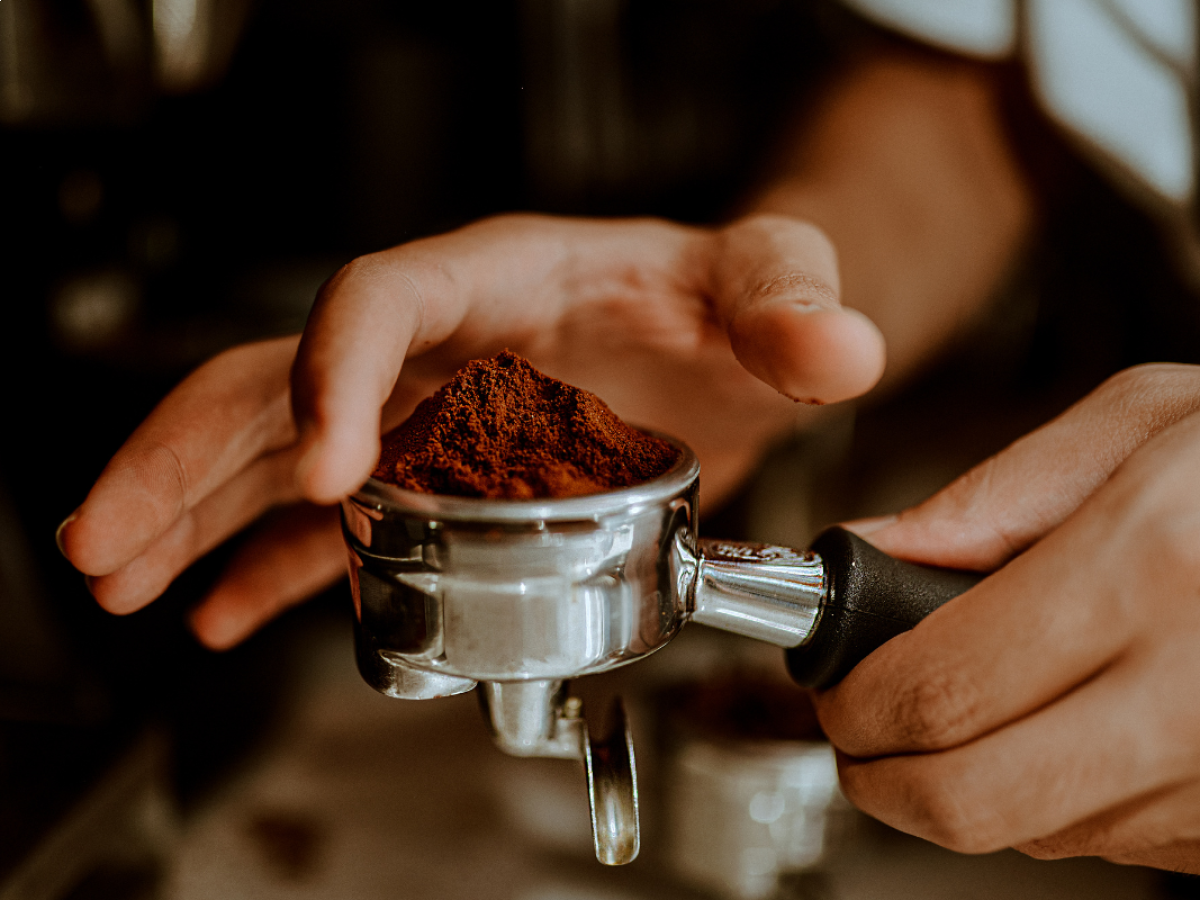
The espresso machine, portafilters, shower screens, pitchers, spouts, and utensils used for cold beverages fully fall under the self-control system. Their cleaning must be integrated into the workflow, not relegated to occasional interventions.
Staff Training and HACCP Certificate
Training in food hygiene is an integral part of the self-control system. Anyone handling or serving food must have received adequate preparation. The HACCP certificate is not just a formal requirement, but a tool to standardize behaviors and responsibilities within the team. In a bar, where shifts alternate and operations are repetitive, aligning procedures reduces variability and improves overall management.
The duration and methods for updating the training can vary based on regional regulations; therefore, it is advisable to check the legal framework applicable to your specific area.
What is Verified During Inspections
During a health inspection, both documentary and operational aspects are examined. The former includes the presence of the self-control manual, the required records, and training documentation. The latter involves the tidiness of the premises, storage management, equipment condition, and the consistency between declared procedures and observable behaviors. The most frequent critical issue is not the lack of documentation, but the gap between what is foreseen by the plan and what is actually applied in daily service.
HACCP for Bars and Service Quality
HACCP in a bar is not an area separate from product quality. A self-control system helps make work more stable, reduces waste tied to uncontrolled stock management, and facilitates coordination among operators. Order, cleanliness, and raw material control directly impact the consistency of the final cup. In this sense, food safety is not an additional element, but a structural component of service organization. A bar without a kitchen is not a business free of critical issues; it is a context where risks are simple but recurring, and precisely for this reason, they must be managed methodically.
FAQ
Is HACCP mandatory for a bar without a kitchen?
Yes, because the bar handles and serves food and beverages.
What must an HACCP manual for bars contain?
Risk analysis, temperature management, cleaning procedures, traceability, and staff training.
Do bar workers need an HACCP certificate?
Yes, anyone handling or serving food must have received mandatory hygiene training and hold a valid HACCP certificate.
How long is the HACCP certificate valid?
It depends on regional regulations and scheduled mandatory updates.
What do Health Authorities check in a bar?
Documentation, temperatures, counter hygiene, food storage, and staff training records.
Related articles






































Portioli Express
Home and office shopping
Experience authentic Italian espresso right at home with our premium blends in a variety of formats.
Go to the shop