






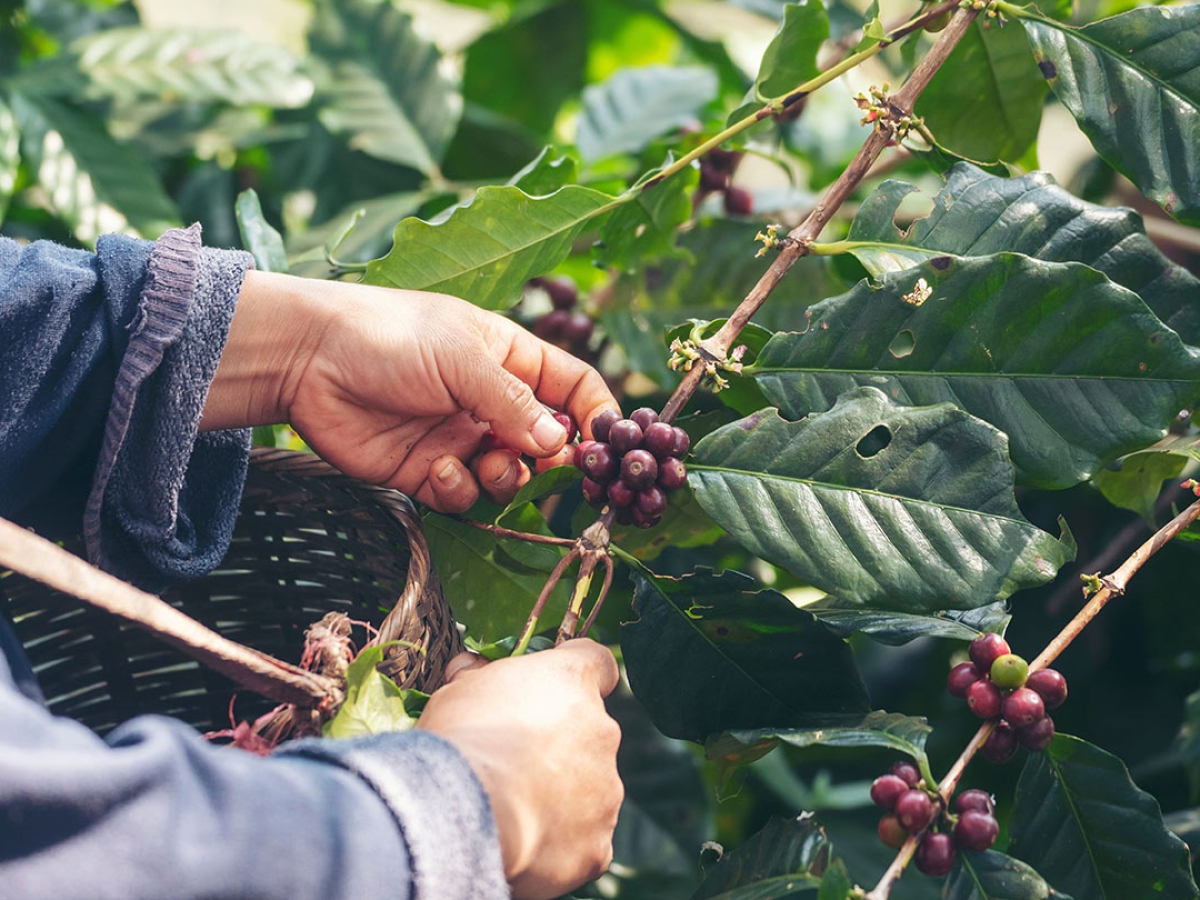
In coffee, origin is never just a label. It is a concrete factor that influences how the plant grows, how the fruit matures, and how the bean develops over time. Climate, altitude, soil composition, sun exposure, and rainfall patterns all interact during cultivation, shaping the raw material long before roasting or extraction. Across the main coffee growing regions, these variables help explain why coffees from different places can express different sensory profiles.
That is why coffee bean origin should never be treated as a secondary detail. Understanding where coffee is grown helps explain why two coffees can behave differently even when they belong to the same botanical species. Looking more closely at coffee cultivation also means answering a broader question: where does coffee come from in practical terms? Not only from a country, but from a specific agricultural context that shapes the raw material from the start. This is where provenance gains value, and where single origin coffee becomes meaningful, because the relationship between coffee and place is easier to read.
Why Place Matters in Coffee Cultivation
The coffee plant is highly sensitive to its environment. It does not react the same way in every context, nor does it develop the same characteristics in every producing area. When the territory changes, the pace of growth changes as well, together with fruit maturation and, in many cases, the aromatic potential of the bean.
This happens because coffee develops in constant balance with its surroundings. Cooler temperatures, higher elevations, well-drained soils, and rainfall distribution tend to support a different growth cycle from the one found in hotter or more humid environments.
For this reason, coffee cultivation cannot be separated from place. The bean does not develop in the abstract: it takes shape in a precise environment that leaves a recognisable mark on body, clarity, balance, and persistence in the cup. It is not a rigid formula, but it is a real relationship that helps explain each coffee origin more clearly.
Geographic Factors that Influence Coffee Cultivation
Altitude: the Pace of Maturation
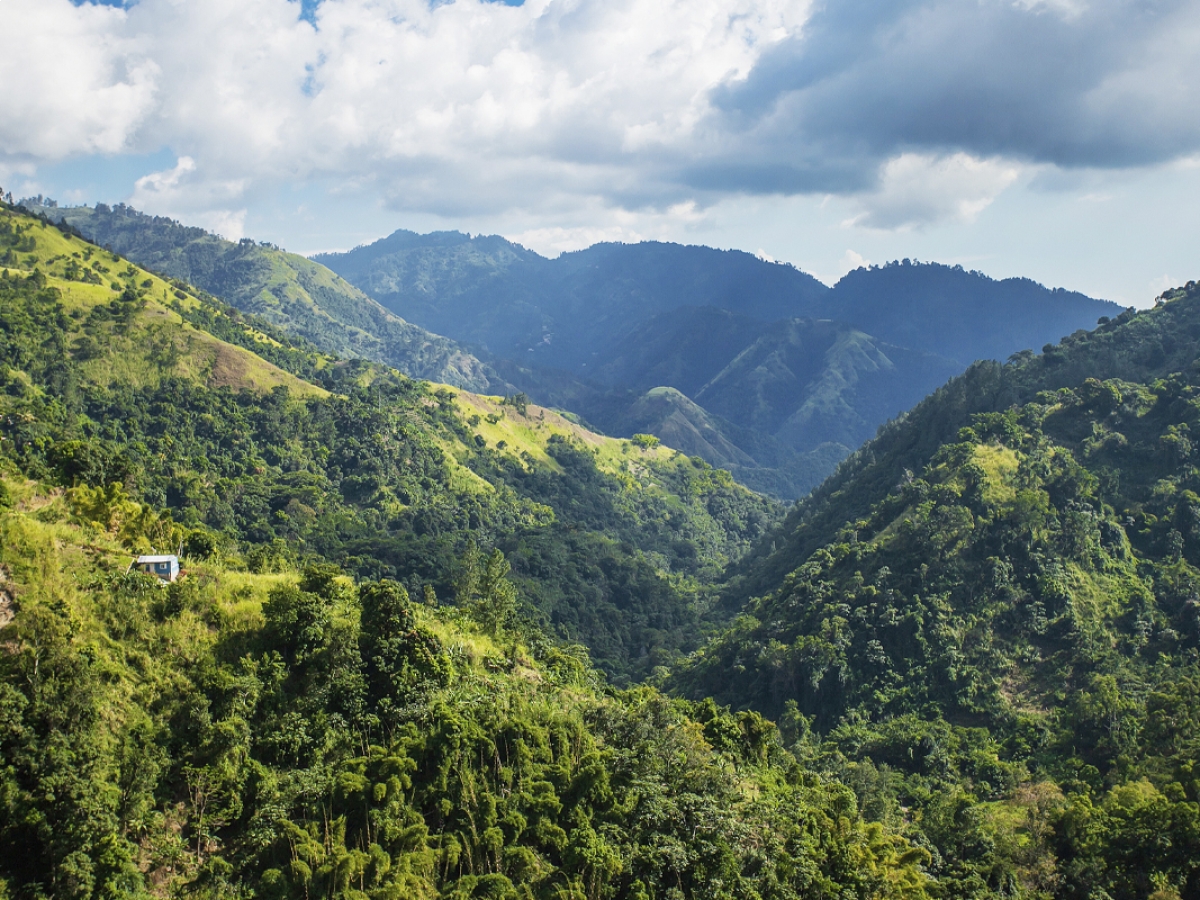
Altitude is one of the first elements to consider when looking at coffee origin because it has a direct impact on plant growth and fruit maturation. At higher elevations, temperatures are generally cooler. This slows down cherry development and can support a more gradual ripening process. In several producing regions, slower maturation is associated with greater flavour complexity and denser beans.
In practical terms, this does not mean that coffee grown at higher altitude is automatically better. It means, rather, that altitude helps shape the bean’s character. A slower development cycle can influence structure, aromatic definition, and overall balance, but always in combination with other local conditions.
Climate: Temperature and Rainfall
The coffee plant requires delicate climatic balance. It does not respond well to extremes and is highly sensitive to changes in temperature, rainfall distribution, and water stress. Regular rainfall patterns can support flowering, vegetative growth, and fruit development more consistently. By contrast, strong climatic imbalances can affect harvest regularity and the uniformity of the raw material.
Temperature also plays an essential role. A hotter environment can accelerate development, while a milder one tends to slow it down. In both cases, the final result depends on the interaction of multiple variables rather than on a single factor. This is one of the reasons coffee growing regions are so important when evaluating quality and identity.
Soil: Nutrition and Ground Composition
Another decisive element is soil. The coffee plant grows and feeds in direct relationship with the ground in which its roots develop, and soil quality has a deep influence on plant performance. Structure, drainage, mineral composition, water retention, and fertility are not marginal details. They are part of the production context that supports the plant throughout the season.
For coffee professionals, this is a key point. Soil is not just the physical support for farming: it is part of the product’s identity. This is why the concept of terroir is so relevant when discussing coffee bean origin and the differences between coffees from one area and another.
How Coffee Changes from One Origin to Another
For experts, the geography of coffee becomes relevant when it translates into tangible features in the cup. It is not enough to know that two coffees come from different countries: what matters is how origin influences structure, balance, intensity, and extraction behaviour.
Brazilian Coffee: Sweetness and Roundness
Brazilian coffee is often appreciated for its balance, along with a natural sweetness that can recall honey-like and lightly toasted cereal notes. This profile is generally linked to growing conditions that support regular fruit maturation and a consistent development of the bean, without pronounced acidity.
For this reason, Brazil clearly illustrates the relationship between coffee origin and cup profile. The territory, climate, and maturation patterns contribute to a cup that is stable, rounded, and well-balanced. In a single origin coffee, this provenance makes it easier to recognise how growing conditions can translate into smoothness, sweetness, and overall consistency in the cup.
Ethiopian Coffee: Fragrance and Complexity
Ethiopian coffee shows just as clearly how origin influences the character of the bean. The profile is typically sweet and highly aromatic, with a refined acidity that remains structured rather than aggressive. These characteristics are closely linked to high-altitude cultivation, where cooler temperatures slow down fruit maturation and support greater aromatic clarity.
In this context, coffee origin is not just descriptive: it helps explain why the coffee can express fragrance, sweetness, and brightness while maintaining balance. In a single origin coffee, this relationship between growing environment and cup profile becomes particularly transparent.
Indian Coffee: Structure and Spice Notes
Indian coffee stands out for a more structured profile, often characterised by spice notes and a certain aromatic depth, supported by mild acidity. Body plays an important role here, together with chocolatey and sometimes slightly savoury nuances, which can be linked to soil composition and growing conditions. These elements contribute to a profile that is distinctive without being unbalanced.
In this case, coffee bean origin helps explain not only the intensity of the profile, but how that intensity is expressed. The result is a coffee that can be structured and layered, while maintaining overall clarity.
Honduran Coffee: Citrus Notes and Balance
Honduran coffee is typically characterised by a balanced profile, where citrus notes are supported by a present but well-integrated acidity. This is consistent with high-altitude cultivation, where cooler temperatures and slower fruit maturation allow the bean to develop greater aromatic definition without losing balance.
Honduras is a clear example of how elevation can influence flavour balance. Rather than emphasising a single characteristic, the growing environment contributes to harmonising acidity, sweetness, and body into a cohesive profile.
Single Origin Coffee: When Place Takes Centre Stage
A single origin coffee puts one provenance in the foreground and makes the connection between territory and product easier to understand. This does not mean establishing superiority over blends. A well-built blend remains a fundamental tool in coffee service. But a single origin often allows professionals and customers to read more directly how environment, cultivation, and fruit development shape the final profile.
In these cases, the value of provenance becomes more visible. The coffee expresses a more defined identity, and the role of geographic area and microclimate becomes easier to communicate. Even in product presentation, this can make a difference: being able to connect an origin with its likely characteristics helps build a clearer and more coherent offer.
From Coffee Origin to the Cup
Growing regions influences coffee cultivation in a deep and practical way. It is not a marginal detail, but one of the factors that helps define bean identity from the plant onward. Altitude, climate, rainfall, and soil create the context in which coffee grows, and that context shapes an important part of its final character.
For anyone working in coffee, this means learning to read the product through its coffee origin. Understanding coffee bean origin helps professionals interpret coffee more accurately, present it more effectively, and recognise why two different origins can lead to very different experiences in the cup.
Behind every coffee, there is a territory. Recognising its influence is what makes the difference in how that coffee is selected, worked with, and presented.
Related articles











































Portioli Express
Home and office shopping
Experience authentic Italian espresso right at home with our premium blends in a variety of formats.
Go to the shop