







Italian espresso and specialty coffee are often presented as two opposing visions of coffee. On one side, there is the espresso served at the bar, with its recognizable profile and strong connection to Italian tradition. On the other hand, there is a more recent coffee culture that gives greater attention to origin, processing and the analytical reading of the cup.
In reality, talking about Italian espresso vs specialty coffee does not mean deciding which one is better. It means understanding why they represent two different ways of interpreting quality. The language changes, expectations evolve, and so does the kind of experience built around the cup.
This distinction is especially useful today, when the world of coffee has become more complex and the idea of quality no longer corresponds to a single model.
What is the Difference Between Italian Espresso and Specialty Coffee?
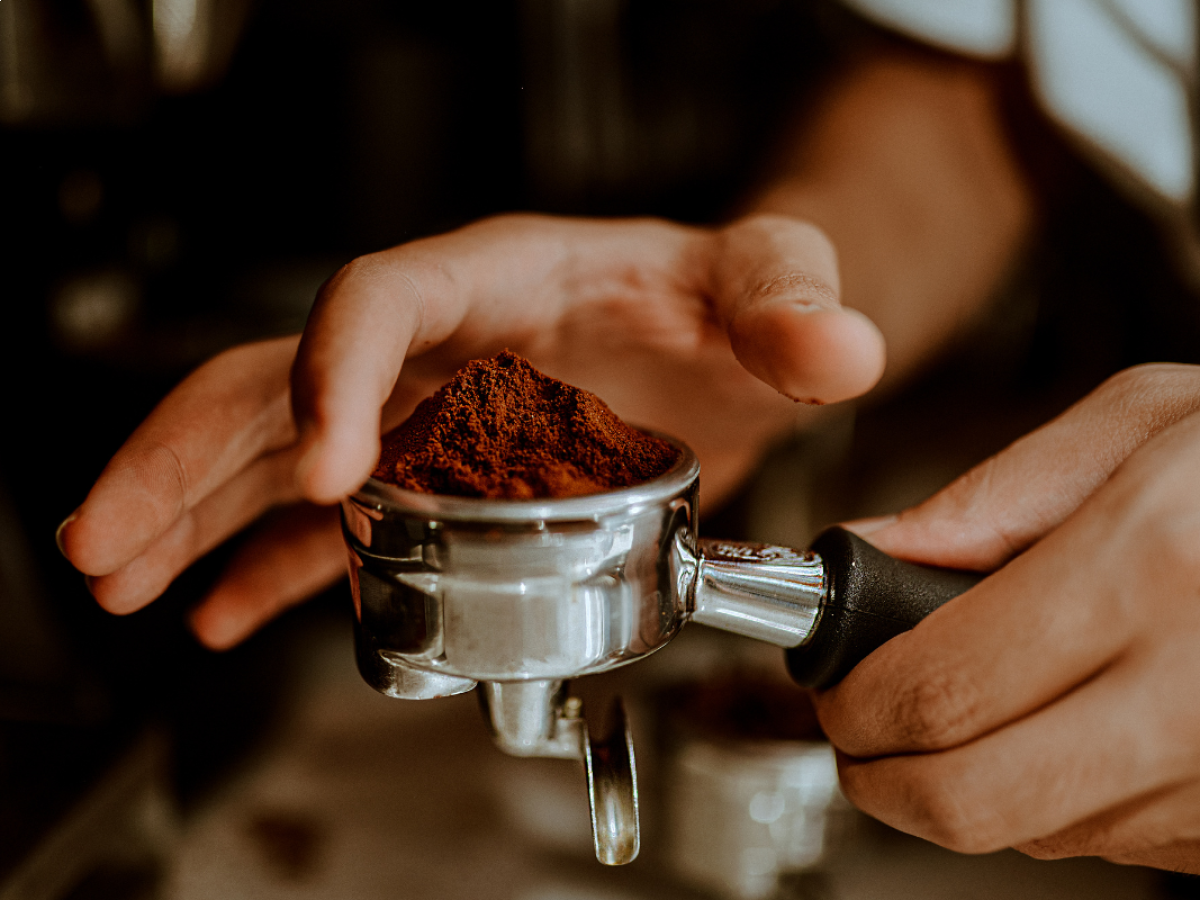
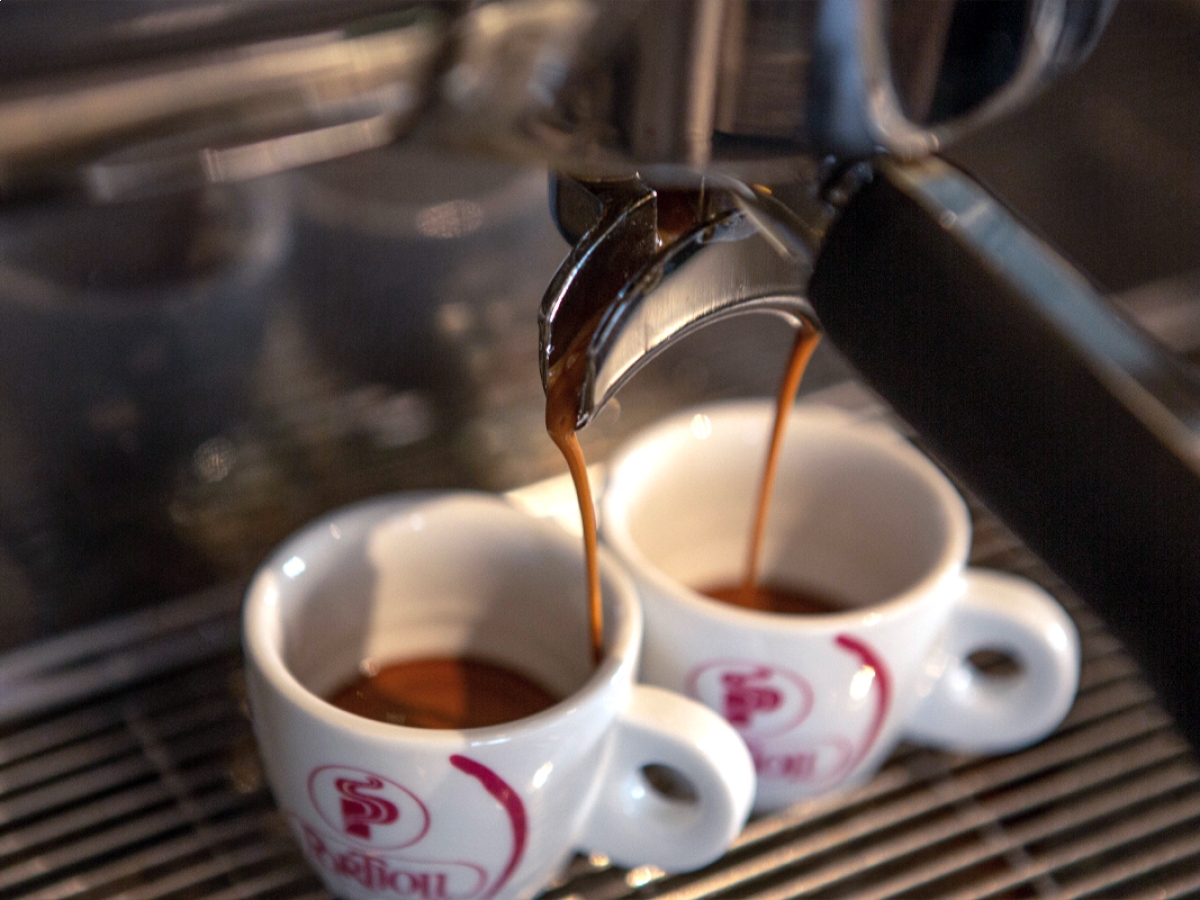
The first difference lies in the point of view. Italian espresso was born within a culture of everyday consumption. It is designed to be intense, balanced, immediately readable and consistent with the ritual of the bar. Its value does not depend only on the characteristics of the blend, but also on its ability to offer continuity over time and a familiar experience for the customer.
When we talk about Italian espresso at the bar, we are also talking about service, habit and stability. Espresso is not just a drink, but a daily gesture that should feel reliable, pleasant and consistent. In this sense, quality is perceived as overall balance: body, intensity, persistence and harmony must coexist in a cup the consumer can recognize.
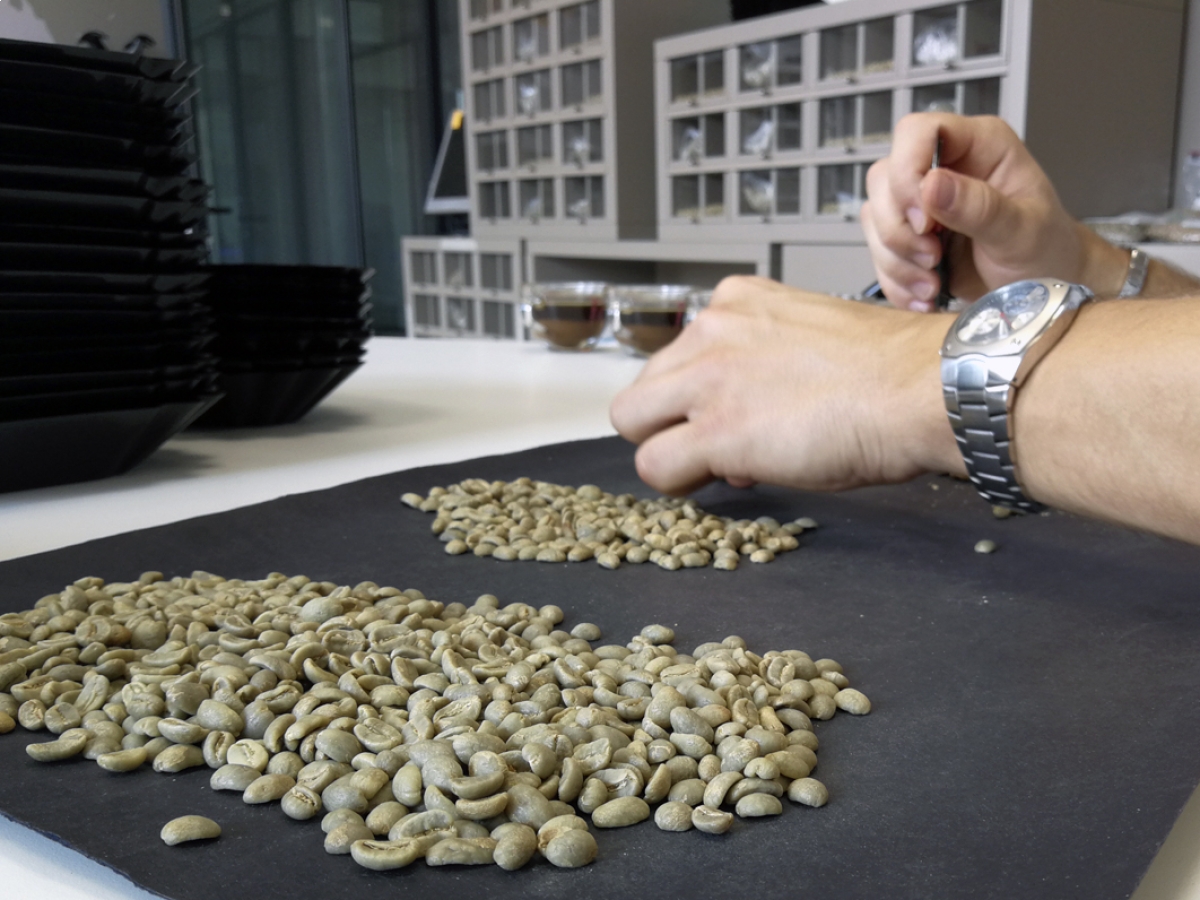
Specialty coffee, on the other hand, developed in a different context. Here, attention is often focused on the specificity of the product: origin, botanical variety, processing method, roast profile and aromatic expression. The cup is read as the expression of a raw material with distinctive characteristics, to be observed and interpreted in greater detail.
This does not mean that specialty coffee and traditional espresso are in conflict. It means that they start from different goals. One tends to enhance recognizability and structure; the other often places aromatic clarity and less conventional nuances at the center.
Two Different Ideas of Coffee Quality
When discussing coffee quality, the most common risk is to imagine a single standard for everyone. In reality, quality also depends on context and expectations.
In the case of Italian espresso, quality is often associated with the ability to deliver a full, harmonious and stable cup. What matters is the overall result: a well-built profile, good texture, balance between intensity and pleasantness, and above all continuity over time. For the bar customer, finding the same coherent cup every day is an essential part of perceived quality.
In the case of specialty coffee, quality is often read through another lens. Cup cleanliness, definition of aromatic notes, clarity of acidity and the ability of the coffee to express characteristics connected to its origin or processing become central. In this approach, quality more often coincides with expressive precision.
For this reason, it is more accurate to speak of different approaches to coffee quality. Not because one excludes the other, but because they give different weight to different elements. On one side, quality is linked to balance, familiarity and consistency. In the other approach, more emphasis is placed on uniqueness, sensory transparency and aromatic detail.
Flavor Profile, Body and Acidity: What Changes in the Cup
Part of the difference between Italian espresso vs specialty coffee becomes clear during tasting. Even without turning tasting into a technical exercise, some characteristics help explain why the experience can feel different.
The Italian Espresso Flavor Profile
The Italian espresso flavor profile generally tends to offer a rounder, more structured and enveloping cup. The body often plays an important role, intensity is clearly present and acidity, when present, is usually more integrated into the overall profile. The expected result is a compact and harmonious cup, designed to offer immediate pleasure and continuity of perception.
The Specialty Coffee Flavor Profile
The specialty coffee flavor profile may bring the aromatic component more clearly to the surface, together with a more evident perception of acidity and a sensory structure that invites attention to detail. The cup may feel more dynamic, more layered and sometimes less anchored to the classic idea of roundness typical of traditional espresso.
What Quality Really Means in the Cup
This difference does not justify a rigid ranking. Saying that one style is superior in absolute terms would be reductive. More correctly, we can say that the way pleasantness is built changes.
For some consumers, quality means a full, consistent and reassuring cup. For others, it means greater aromatic readability and the possibility of recognizing more pronounced nuances.
Why Italian Espresso and Specialty Coffee Are Not in Competition
The comparison between Italian espresso and specialty coffee becomes less useful when it is turned into a competition between incompatible models. In reality, contemporary coffee culture shows that these two approaches can coexist as different expressions of the same attention to the product.
The specialty culture has helped spread greater awareness of the supply chain, origin and precision in the cup. Italian espresso, in turn, continues to represent a solid tradition, combining product quality, consumption ritual and the central role of bar service.
Rather than thinking in terms of opposition, it is more useful to recognize that not every cup aims to achieve the same result. The context, the audience, the moment of consumption and the way coffee is interpreted all change. A quick but carefully prepared espresso at the counter responds to different needs than a tasting experience designed to highlight the uniqueness of a single origin.
Balancing Personal Taste, Context and Customer Expectations
Understanding the difference between Italian espresso vs specialty coffee is also useful to avoid simplifications when talking about taste. Consumers do not always look for the same experience, and quality doesn’t always mean greater aromatic complexity.
In many contexts, Italian espresso at the bar remains the most coherent answer to customer expectations: a recognizable, balanced and pleasant cup, placed within a daily ritual made of continuity and familiarity. In other cases, there may be interest in tasting experiences more oriented toward the discovery of different profiles.
This does not mean choosing one side ideologically. It means understanding that coffee is also evaluated according to the context in which it is served and consumed. Quality is never only the sum of abstract parameters: it is also coherence between product, service, expectations and moment of consumption.
Two Different Approaches, the Same Focus on Coffee
In conclusion, Italian espresso and specialty coffee represent two different ways of reading quality, not two categories that must necessarily be placed in conflict. The criteria used to observe the cup change. The importance given to body, acidity, balance or aromatic precision changes. The type of experience one wants to build also changes.
Recognizing this plurality of approaches helps us look at coffee with greater awareness. On one side, there is the tradition of Italian espresso, which continues to express value through balance, continuity and recognizability. On the other, there is a culture that has brought new attention to traceability and to the analytical reading of the cup.
Both contribute, in different
Related articles






































Portioli Express
Home and office shopping
Experience authentic Italian espresso right at home with our premium blends in a variety of formats.
Go to the shop