





The success of a bar does not depend only on its location, product quality or equipment. Every day, the people behind the counter turn a well-structured offer into efficient, orderly and attentive service. This is why bar staff training is a key factor in improving the customer experience and supporting the daily management of the venue.
A well-trained team member knows how to welcome customers, recommend products, follow procedures, work consistently and manage the busiest moments without losing control. When training is left to chance, service can vary from one shift to another, leading to mistakes, delays and waste that can also affect the bar’s overall performance.
Investing in bar staff training therefore means going beyond the idea of a simple introductory course. It means building technical, organizational and interpersonal skills that help the team work better and allow the venue to grow over time.
Mandatory and Professional Training in a Bar
Bar staff training operates on two different levels. On one side, there are mandatory requirements linked to regulations, safety and hygiene. On the other, there are professional skills that improve service quality and work organization.
Mandatory bar staff training covers the areas needed to operate in line with current requirements, such as workplace safety, food hygiene, HACCP procedures, risk management and any updates required according to the role and type of venue. It is an essential part of the process because it protects staff, customers and the business.
Professional training, on the other hand, focuses on the skills that improve daily work at the counter: coffee service, equipment use, service flow, sales, time management, customer relations and team organization. This is where training becomes a competitive tool, because it allows the bar to offer a more accurate and efficient service.
Both aspects are important. Mandatory training allows the venue to operate properly, while professional training helps it stand out and makes daily operations more solid.
Mandatory Training: Safety, Hygiene and Responsibility
Every bar is a workplace and, at the same time, a space where food and drinks are handled. For this reason, mandatory training for bar staff should not be treated as a purely administrative detail.
Staff members must know the rules related to safety, hygiene, surface cleaning, proper product storage and risk prevention. In the case of new hires, role changes or regulatory updates, the manager must make sure that staff are prepared and that documentation is appropriate.
This part of training helps reduce mistakes that can have serious consequences: contamination, incorrect behavior, improper use of equipment, and poor attention to cleaning procedures. In a well-organized bar, safety and hygiene are not separate from service, but become a natural part of daily work.
Professional Training Improves Service and Organization
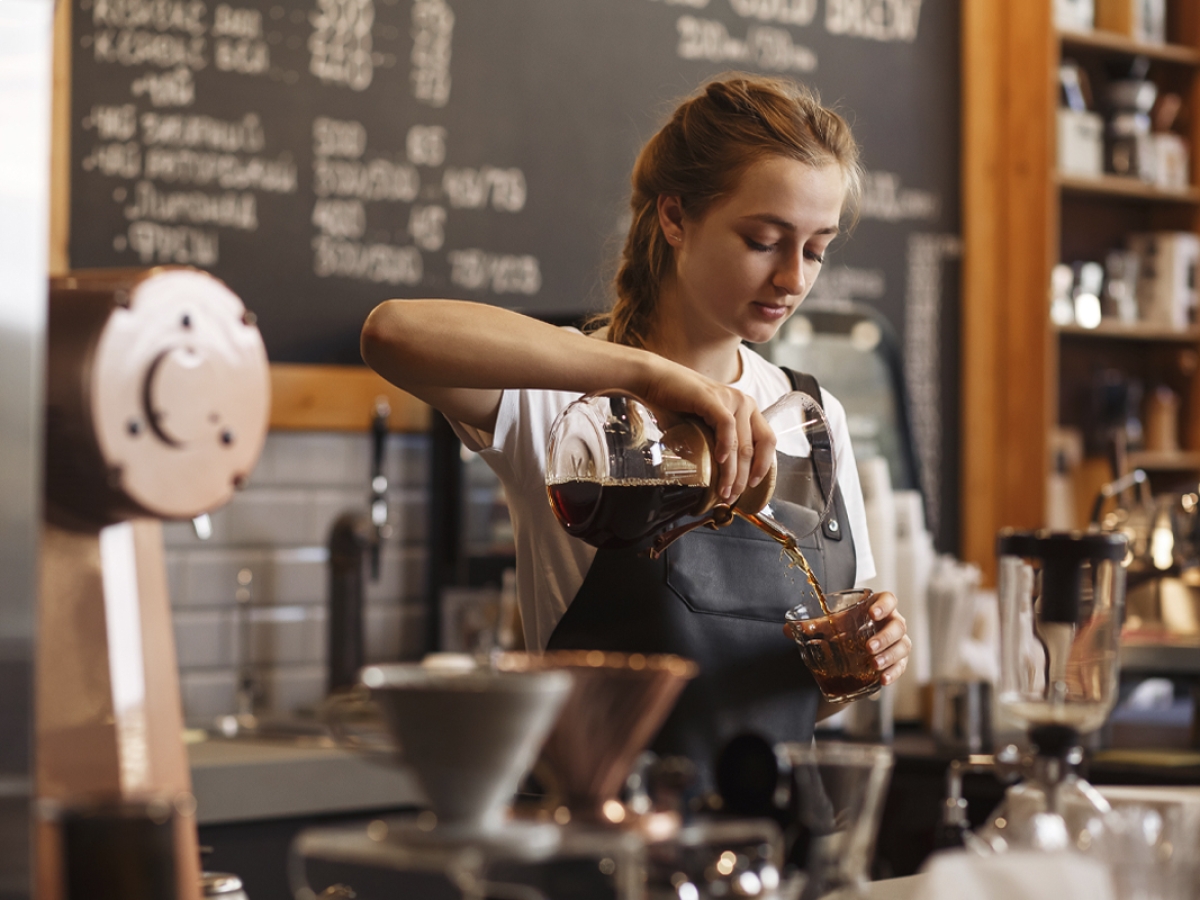
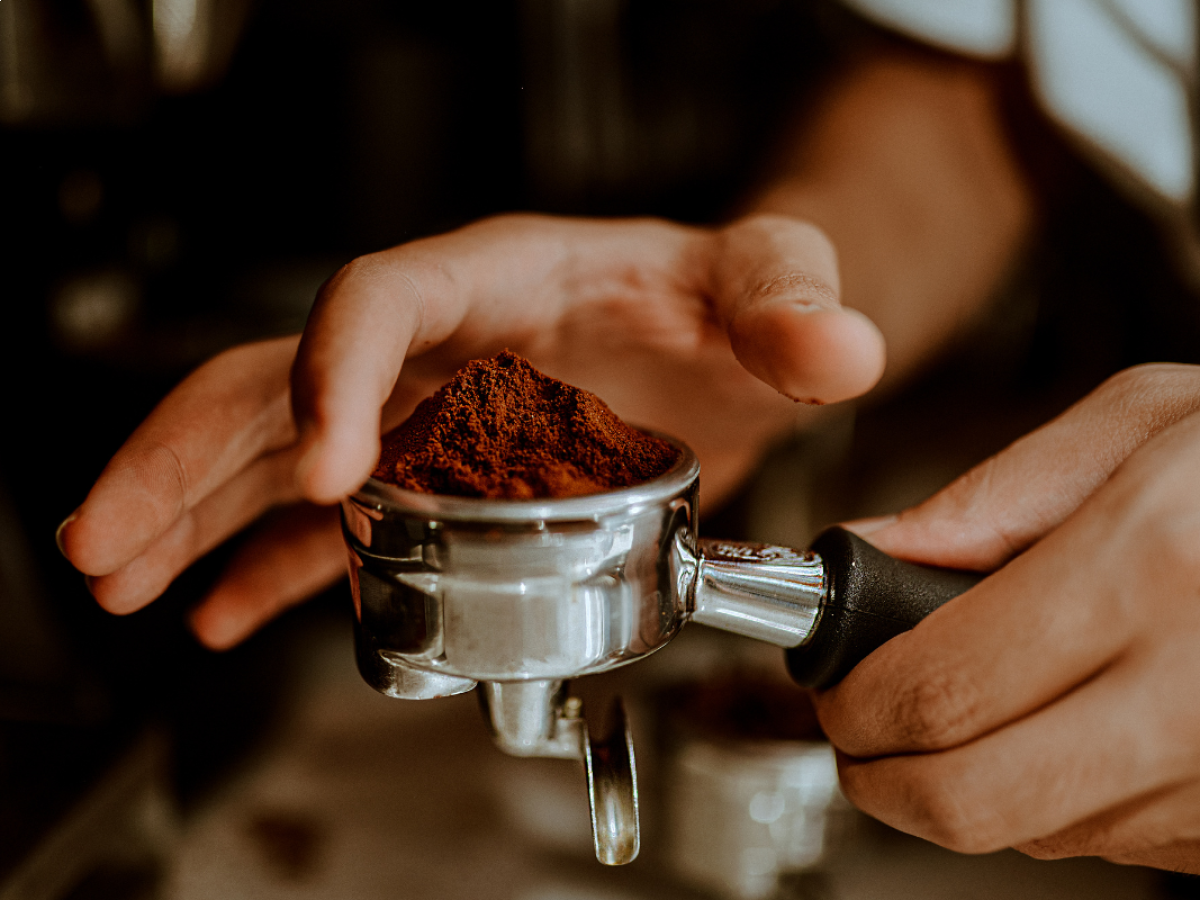
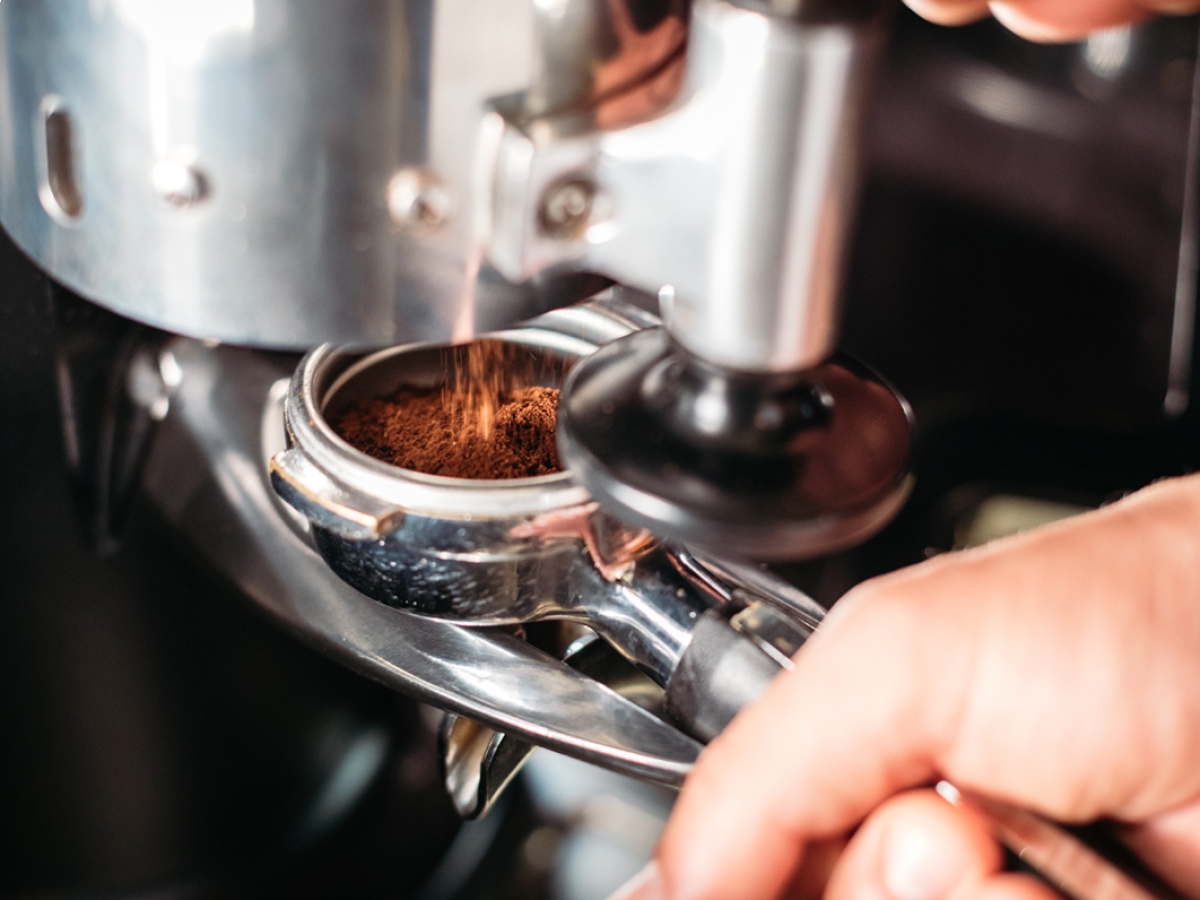
Beyond mandatory requirements, there is everything that makes staff truly competent in their role. Professional barista training covers the ability to prepare espresso correctly, adjust the grind, steam milk, manage equipment, keep the workstation clean and serve customers attentively.
These skills do not come from experience alone. Experience is valuable, but it must be supported by clear procedures and regular updates; otherwise, work risks being based only on personal habits. Training provides the team with a shared foundation, so every staff member knows how to work, which steps to follow and which signals to observe during service.
This also applies to people who have worked in the sector for years. A bar changes, consumption habits evolve, the offer is updated and customers become more attentive. For this reason, ongoing staff training for bars helps keep people prepared, motivated and able to adapt to the venue’s new needs.
Bar Staff Training and Service Quality During Peak Hours
The real test for a bar often comes during the most intense moments of the day: morning breakfast, lunch break or the afternoon rush. In these time slots, every gesture counts. A poorly taken order, a drink to be prepared again or a disorganized workstation can slow down service and affect customer perception.
A trained team knows priorities, communicates better and maintains attention even when the pace increases. The person behind the counter, the one managing the coffee machine, the staff serving tables and the person handling the till must work in a coordinated way, without overlapping and without leaving essential tasks uncovered.
Training also helps reduce waiting times and avoid confusion. A staff member who knows how to prepare the workstation, use tools correctly and anticipate the needs of the shift allows service to run more smoothly. Customers notice this immediately: they wait less, receive a carefully prepared product and find a more orderly environment.
Fewer Mistakes and Less Waste Thanks to Shared Skills
Bar team training also has a direct impact on management costs. Inaccurate doses, incorrectly stored products, wrong preparations, wasted milk or poorly cleaned equipment can reduce margins before the problem becomes clearly visible.
When staff know procedures and quantities, work becomes more precise. Waste is reduced, raw materials are managed more effectively and repeated mistakes during service are avoided. Routine maintenance also benefits from this approach: correctly cleaning the coffee machine, grinder and accessories helps prevent faults, performance drops and sudden interruptions.
Training the team therefore means giving everyone the same operational references. Each staff member knows what to do, how to intervene and when to report a problem. For the manager, it becomes easier to monitor daily work, correct any critical issues and keep quality, waste and service continuity under control.
Customer Relationships Also Start from Staff Preparation
A bar does not only sell products. It offers habits, breaks, breakfasts, quick meetings, brief work moments and small daily rituals. This is why staff preparation directly affects the experience customers have inside the venue.
A trained team knows how to welcome customers professionally, listen to their needs, suggest an alternative, explain a blend, recommend a pairing or manage a complaint with balance. These skills are often considered spontaneous, but in reality they require method, dialogue and awareness of the role.
Customers are more likely to return when they find attention, order and competence. Even a simple recommendation, given at the right time, can strengthen trust in the venue and make service more effective. In this sense, bar staff training is not only about technique, but also about the ability to communicate the value of the offer.
Training Helps Enhance the Bar’s Identity
Every bar has its own identity: it may focus on breakfast, traditional coffee service, cold and seasonal drinks, fast service, a more refined offer or a close relationship with regular customers.
For this identity to be recognizable, however, it must be shared by the people working in the venue. Staff need to know the products, the tone of service, the manager’s priorities and the way the bar wants to present itself. If these elements remain only in the owner’s mind, the result will be fragile.
Bar staff training allows this vision to be translated into practical guidance for the team: how to welcome customers, what to suggest, which products to highlight, how to manage the counter and what level of attention to maintain during service. In this way, the venue becomes more solid and less dependent on the individual operator working a specific shift.
Ongoing Training to Support the Growth of the Bar
Thinking of training as something to be done only once is one of the most common mistakes. A new team member needs to be onboarded through a clear process, but experienced staff also need to be updated and realigned over time.
Ongoing training for bars can cover new recipes, internal procedures, coffee service techniques, equipment management, customer service, counter organization or waste control. Even short moments of discussion can be useful if they help the team correct ineffective habits.
A manager who invests in people’s growth builds a stronger working environment. Staff feel more confident, understand their role better and take part in the venue’s goals with greater awareness.
Portioli and Training for Bar Professionals
For a bar, choosing good products is important. But those products must be managed, prepared and presented in the right way. This is where training becomes an integral part of the quality journey.
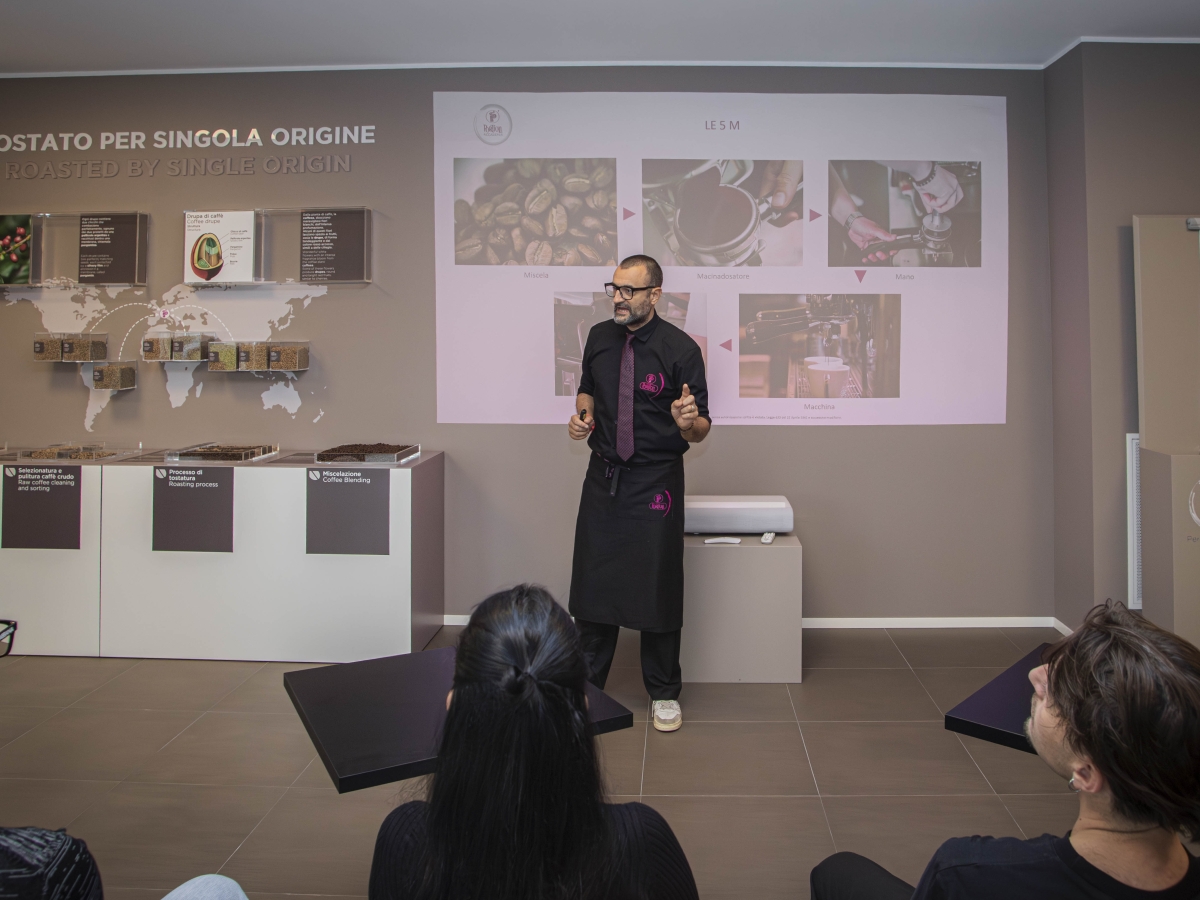
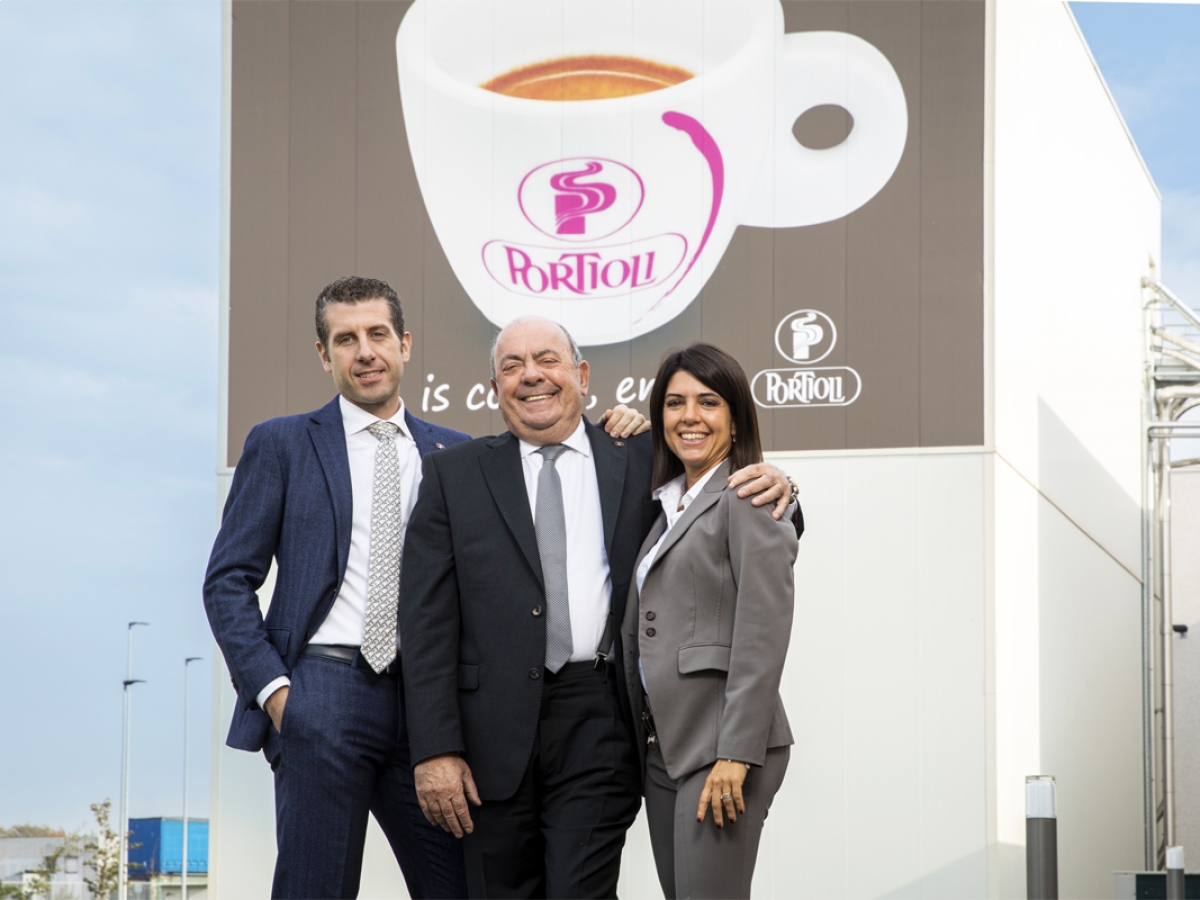
Through its experience in the coffee world and thanks to the Portioli Academy, we support Ho.Re.Ca. professionals in the development of technical and practical skills. The goal is to help venues improve service, enhance coffee and make the team more prepared for everyday activities.
Bar staff training is therefore not an accessory cost, but an investment in the stability of the business. A trained team works better, reduces mistakes, serves customers with greater care and helps build a more efficient and recognizable venue.
FAQ
Why is staff training important in a bar?
Because training helps the team work with greater method, apply shared procedures and offer customers more attentive service, improving the overall perception of the venue.
Which training courses should bar staff take?
It depends on the role, the type of venue and the applicable requirements. Mandatory training on safety and food hygiene remains the starting point, while professional training helps staff work more methodically in daily service.
Does staff training help improve a bar’s overall performance?
Yes. Trained staff use raw materials, equipment and working time more effectively.
This helps reduce waste, preparation errors and unnecessary steps, with a positive impact on cost management.
How often should staff training be updated?
Training should be updated whenever procedures, roles, products, equipment or regulations change.
Is training useful for experienced staff too?
Yes. Experience is important, but updates make it possible to correct habits, introduce new techniques and keep service aligned with the venue’s goals.
Related articles

























Portioli Express
Home and office shopping
Experience authentic Italian espresso right at home with our premium blends in a variety of formats.
Go to the shop