







Breakfast is one of the most important moments in the daily life of a bar. It is concentrated in the early hours of the day, with intense customer flows and limited service time, and it directly affects the overall perception of the venue.
For this reason, a bar breakfast menu should not be created simply by expanding the offer. It should be built through a practical assessment of customer habits, service speed, product rotation and economic sustainability.
A good breakfast at the bar must be easy to choose, quick to serve and consistent with the identity of the venue. An overly wide offer can generate waste and slow down the team during peak hours. A well-designed menu, on the other hand, helps the barista keep service orderly and allows customers to make their choice immediately.
Why the Bar Breakfast Menu Affects Profitability
The bar breakfast menu has a direct impact on profitability because it combines high-frequency products with food items that can increase the average spend. The combination of cappuccino and croissant remains a central reference in Italian breakfast culture, but it can be supported by savoury alternatives, varied baked goods and seasonal proposals designed to broaden the offer.
The structure of the menu should start from the type of venue and the habits of its customers. A bar near offices or schools usually works with fast consumption and concentrated flows. A venue with tables, longer dwell times or tourist customers can support a more articulated breakfast menu for bars.
The same breakfast at the bar can therefore take different forms, as long as it remains clear, orderly and sustainable in daily management.
To evaluate whether the menu is working, it is useful to observe concrete signals: which products are chosen most often, which remain unsold, how long preparations take during peak hours and how the average receipt changes over time. In this way, the menu is not a static list of products, but a working tool to be read and improved.
The Role of Coffee in the Breakfast Menu for Bars
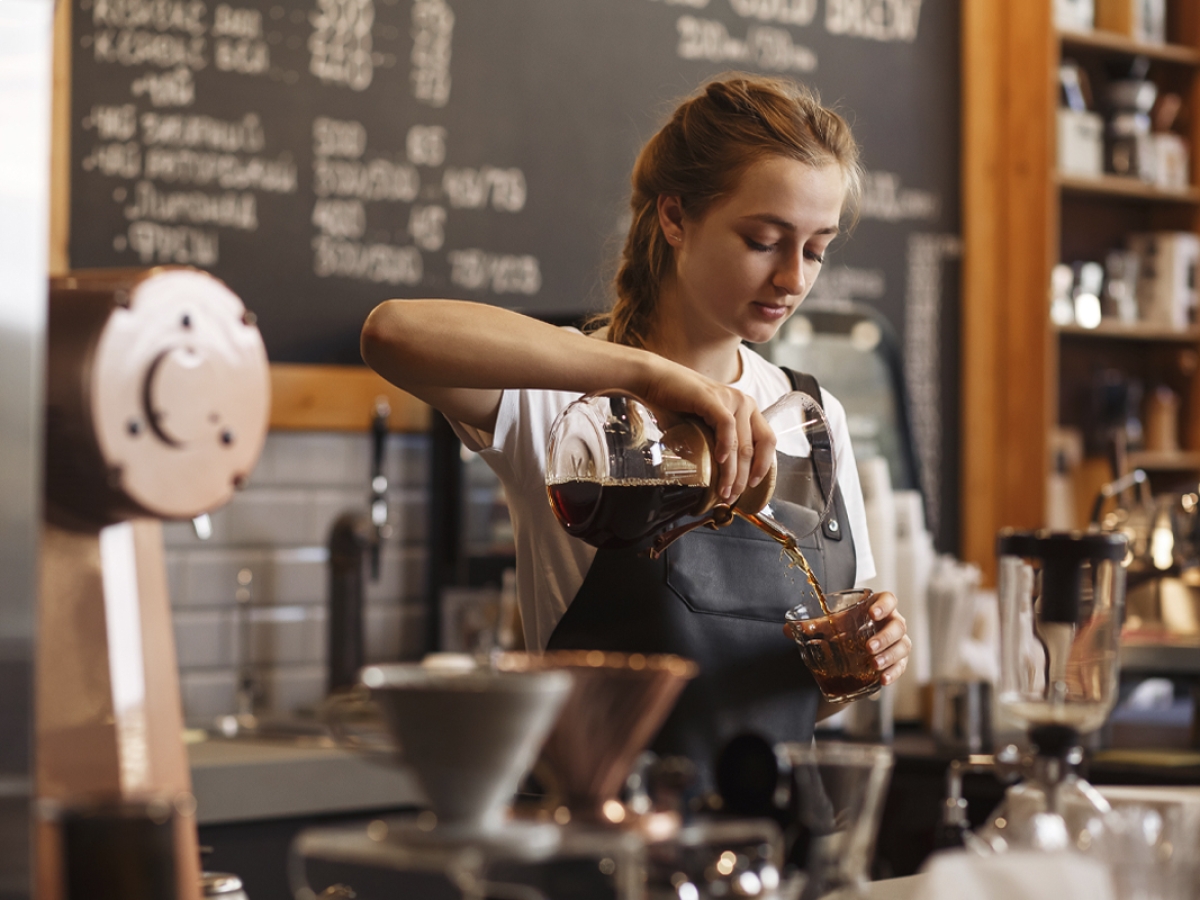
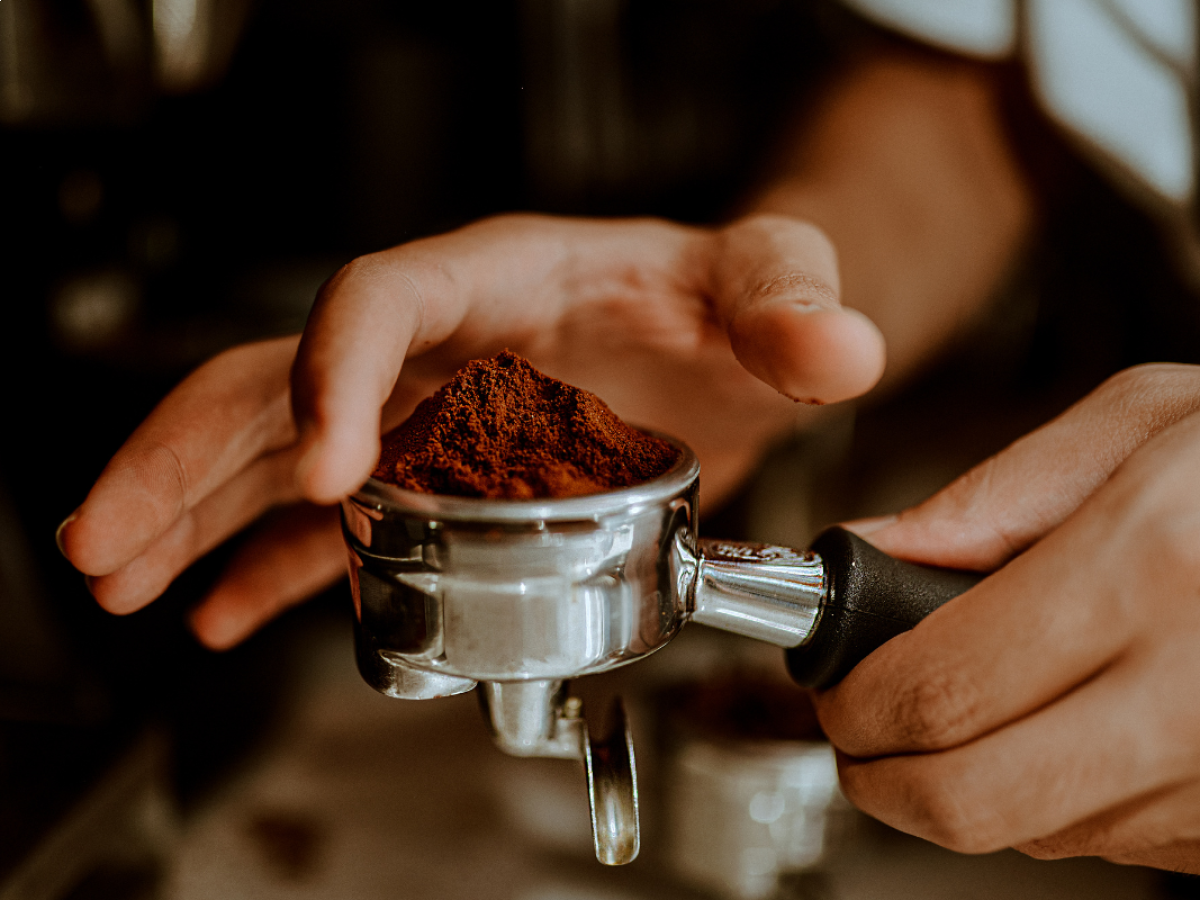
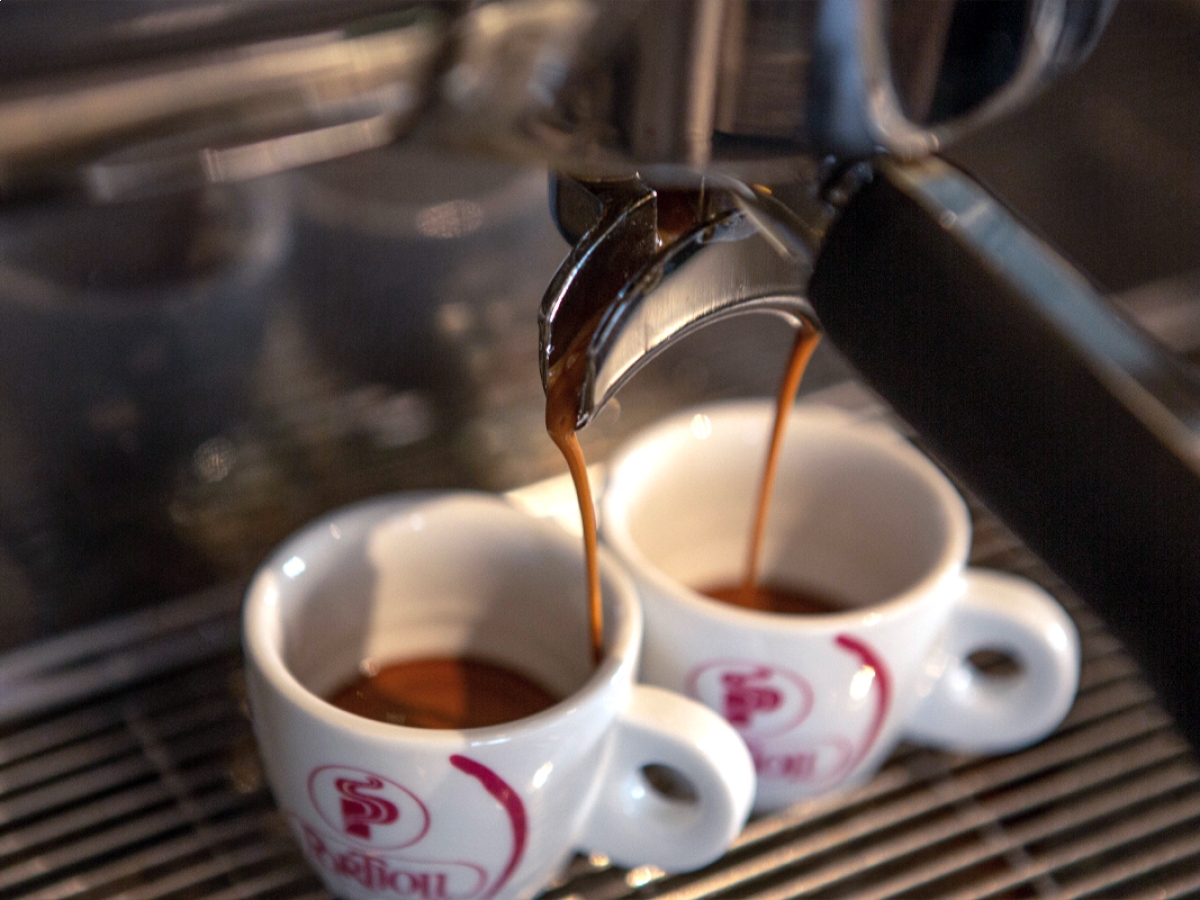
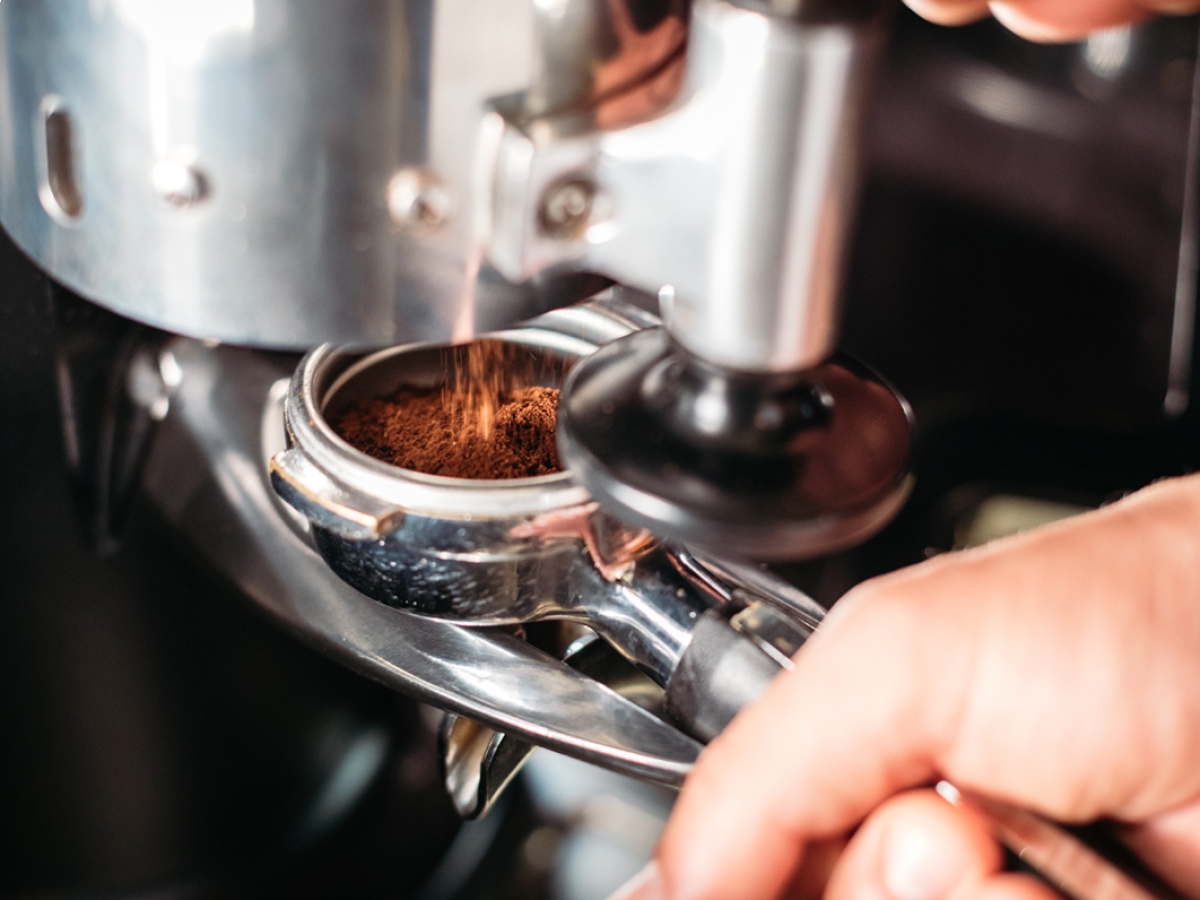
When building a breakfast menu for bars, coffee remains the starting point. Espresso, cappuccino and milk-based coffee drinks are among the most frequent morning orders, and they often guide the choice of the product to pair with them. For this reason, the quality of the blend, the consistency of preparation and the barista’s ability to maintain pace during busy moments become decisive elements.
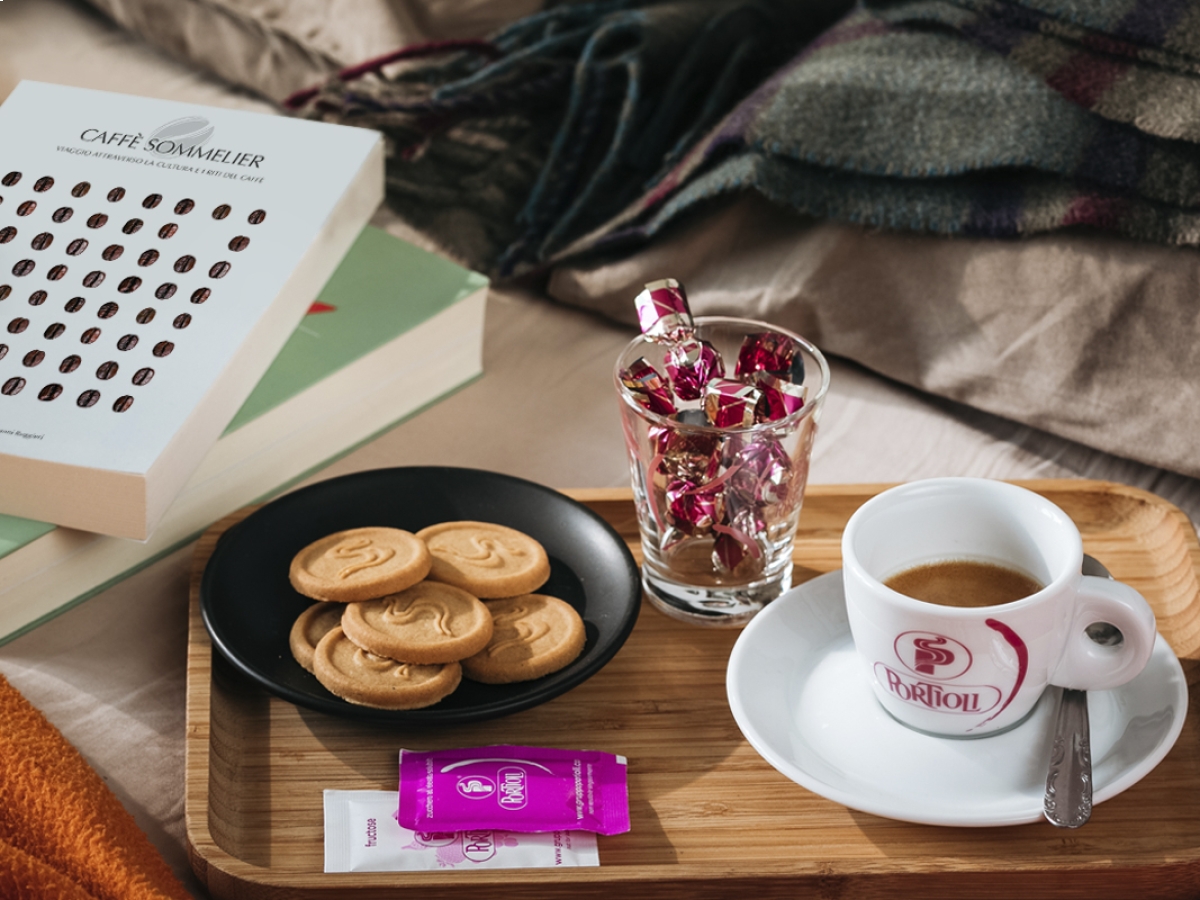
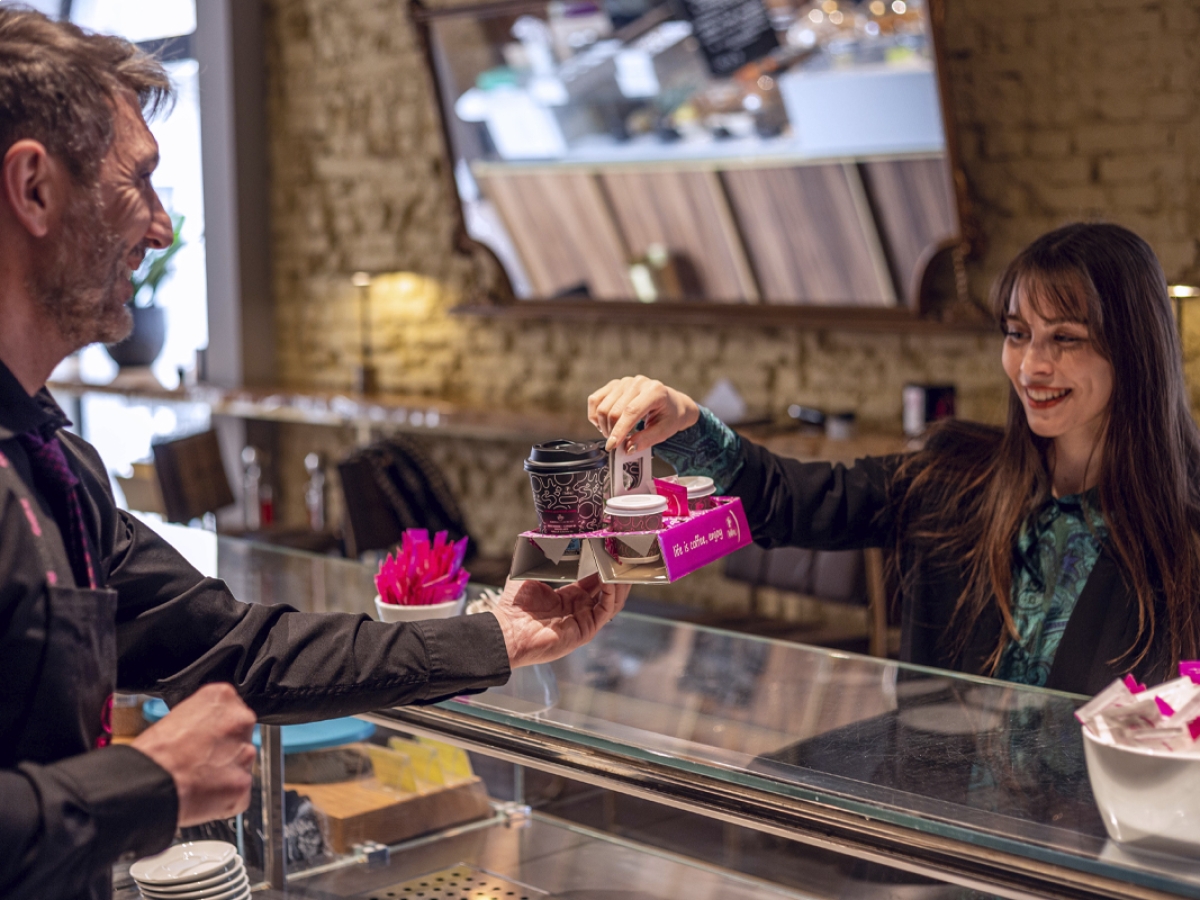
The cappuccino and croissant pairing is one of the most familiar breakfast habits. Precisely because it is simple and recognizable, it can be enhanced with care: from the choice of baked goods to their display at the counter, and from product rotation to the possibility of suggesting simple combinations during service.
An effective menu does not necessarily need many coffee variations. It is often more useful to work on the quality of the main preparations, the clarity of the offer and the connection between coffee, cappuccino and breakfast products.
An Essential Assortment Based on Real Consumption
The best bar breakfast ideas are not always the most elaborate. Very often, the most effective ones respond to simple needs: a quick breakfast before work, a slower break at the table, an alternative to the classic pastry or a savoury option for customers looking for something more substantial.
A balanced assortment can include:
- a traditional sweet base, with croissants, pastries or baked goods;
- a small savoury selection, easy to serve and manage;
- a fresh alternative, such as yogurt, fruit or whole-grain products;
- one or two seasonal proposals to rotate during the year.
This structure gives variety without making the counter more difficult to manage. Variety is useful only when it remains sustainable. Every product added to the bar breakfast menu requires space, stock control, shelf-life management and staff training.
If a product sells very little, it may create more waste than value.
A Simple and Easy-to-Read Breakfast Menu
An effective breakfast service at the bar must also be immediate in its communication. Morning customers often have little time and do not want to interpret a complex menu. The offer should therefore be organized in a clear way, with a logic that is easy to follow.
Combinations can be useful when they reflect real consumption habits, such as the classic cappuccino and croissant. There is no need to build rigid or overly promotional formulas. It is more effective to highlight the pairings customers would naturally choose, presenting them in an orderly way and allowing the barista to suggest them when the context is right.
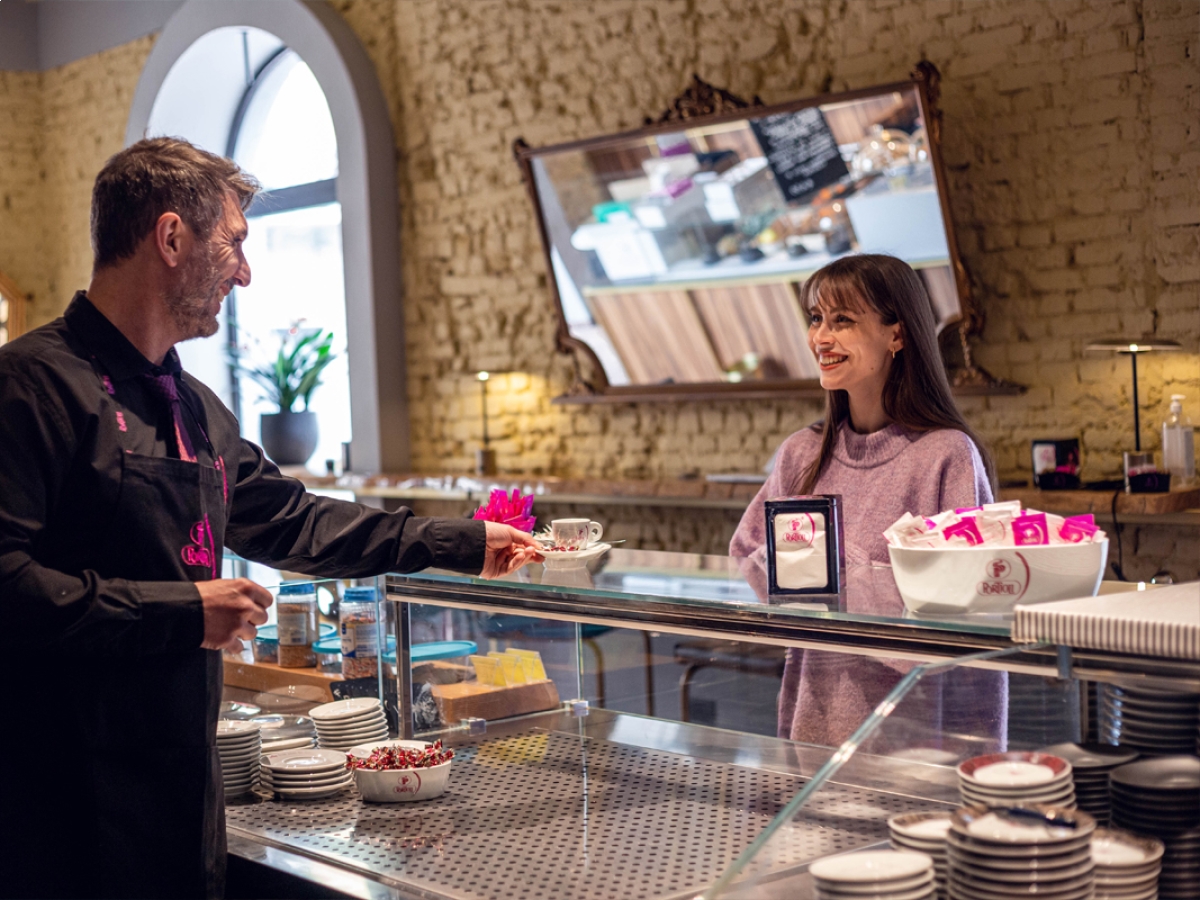
The counter layout also matters. The most requested products should be visible and easy to propose, while new items should be introduced with a few essential details: main ingredients, best moment of consumption and suggested drink pairing.
Pairings That Add Value to Breakfast at the Bar
A profitable breakfast menu does not depend only on the price of individual products. It also depends on the ability to create coherent coffee and breakfast pairings. The barista can suggest a combination, introduce a seasonal option or enhance a product without turning the service into a forced sale.
Upselling works when it is natural. If a customer orders a cappuccino, suggesting a freshly baked pastry can be useful. If the customer asks for a quick espresso, insisting on a longer proposal may be out of context.
Profitability comes from this balance: reading the moment, understanding the customer’s needs and having a menu that helps the staff make relevant suggestions.
Managing the Breakfast Menu While Reducing Waste
Breakfast requires careful attention to product rotation. Pastries, fillings, fresh products and savoury alternatives must be purchased and prepared according to real volumes.
A bar breakfast menu that is too wide may seem richer, but it often increases unsold products, waste and daily complexity. For this reason, it is useful to observe what customers choose on different days of the week. Monday morning may have different dynamics from Saturday, just as school periods can influence customer flows.
A professional breakfast menu for bars is not static. It keeps a stable base, but is updated according to data and counter experience.
A Bar Breakfast Menu Aligned With the Venue’s Identity
The real strength of a bar breakfast menu is not the number of products it includes, but its coherence. Every venue should ask what kind of experience it wants to offer: fast and functional, familiar and everyday, more curated and table-oriented, or designed for business customers.
From this choice come assortment, prices, communication and service style. A well-designed breakfast at the bar should be recognizable over time, but flexible enough to respond to new habits.
Coffee remains central. It accompanies the morning ritual, gives rhythm to service and helps define the identity of the venue. Around this element, it is possible to build a simple, orderly and profitable offer that enhances the work of the barista and makes breakfast a stable moment in the relationship with customers.
Quick Checklist for Evaluating a Bar Breakfast Menu
Is the menu clear for customers?
The main proposals should be easy to understand in a few seconds, without slowing down choice or service.
Does coffee remain at the centre of the offer?
Espresso, cappuccino and milk-based coffee drinks should guide the main breakfast pairings.
Does the assortment reflect the venue and its customers?
A good breakfast menu for bars changes according to the type of venue, customer flows and consumption habits.
Are the pairings easy to suggest?
Familiar combinations such as cappuccino and croissant work when they are well displayed and natural to propose.
Is every product sustainable in terms of margin and management?
Each menu item should be evaluated for rotation, space, preparation time and risk of waste.
Related articles

















Portioli Express
Home and office shopping
Experience authentic Italian espresso right at home with our premium blends in a variety of formats.
Go to the shop