






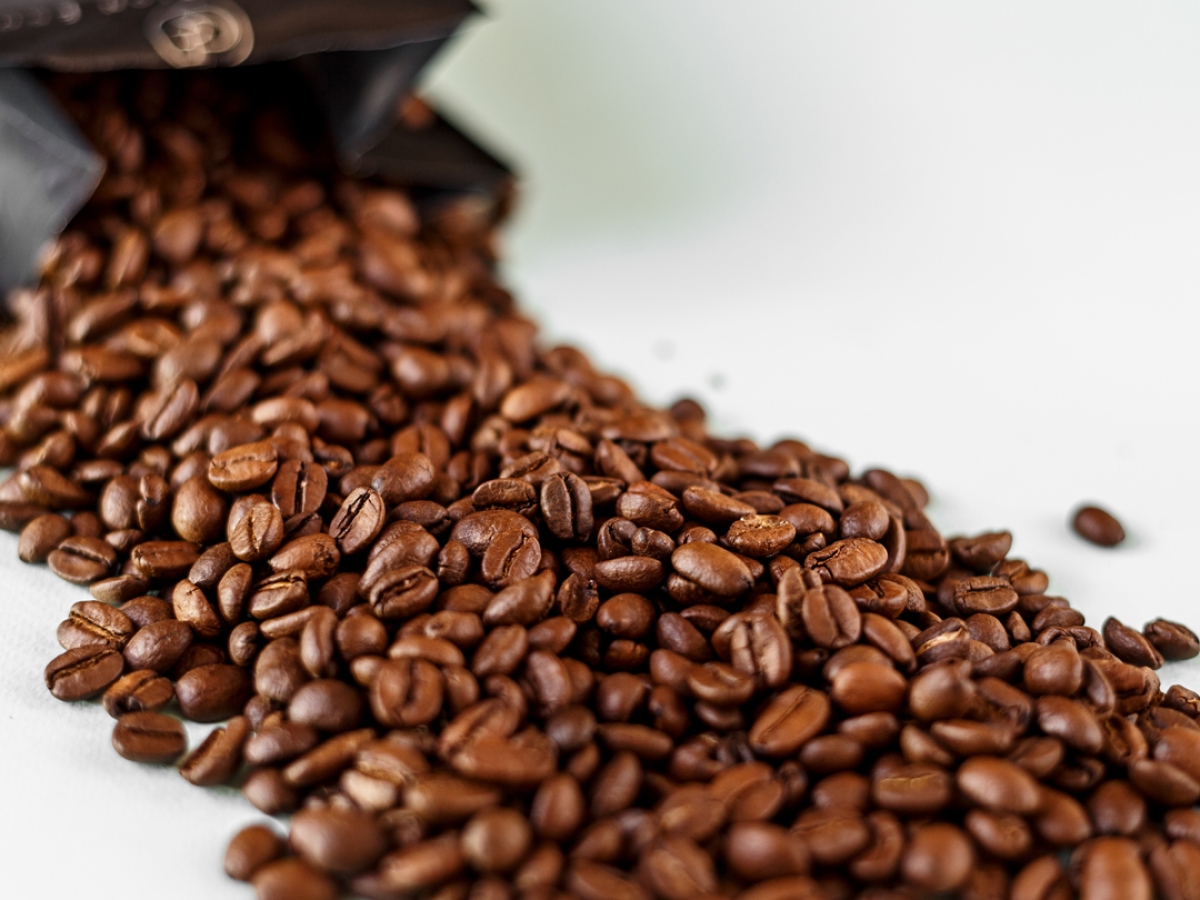
In day-to-day work behind the counter, quality depends not only on the blend you choose or extraction precision. There is an earlier step, often silent but decisive: how to store coffee beans. This is where a significant part of aromatic performance in the cup is protected, where consistency from one espresso to the next is built, and ultimately where a venue’s identity is reinforced.
Unlike a domestic setting, in a bar the coffee is opened, resealed, handled, and used multiple times a day. Managing stock correctly in the pantry means limiting aroma loss, preventing defects, and preserving the sensory profile that makes a bar’s espresso recognizable.
Why Proper Coffee Bean Storage Matters
Coffee is a complex aromatic raw material. After roasting, the beans continue to evolve: they release gas, their structure changes gradually, and above all they progressively lose some of the volatile compounds responsible for the finest aromas. This is a natural process, but it can be accelerated by non-ideal environmental conditions or inconsistent product handling.
When storage is not managed properly, the signs are clear: flatter aromatics, a duller taste perception, and a tendency toward rancid notes. In practical terms, espresso loses definition and it becomes more difficult to deliver a consistently excellent cup, even with good extraction technique.
The Main Enemies of Coffee Beans
The quality of whole beans is directly influenced by specific environmental and operational factors. Understanding them is essential to prevent premature deterioration and store coffee beans properly.
Air and Oxidation
The first enemy is air. Each time the bag is opened, coffee comes into contact with oxygen and ambient humidity, triggering processes that gradually alter aroma and can lead to less clean notes. When exposure is frequent and prolonged, deterioration accelerates and may become noticeable within just 1–2 days. Reducing coffee oxidation means limiting the time the product remains open and minimising the volume of air in contact with the beans.
Light and Heat
Light, especially direct light, and heat negatively affect bean stability, accelerating aromatic degradation. Where the product is placed relative to heat sources, warmed surfaces, exposed displays, or areas subject to temperature fluctuations is a key determinant of quality over time.
These conditions rarely produce immediate effects, but in the medium term light and heat ruin coffee beans and make the aromatic profile less defined.
Humidity and Odour Absorption
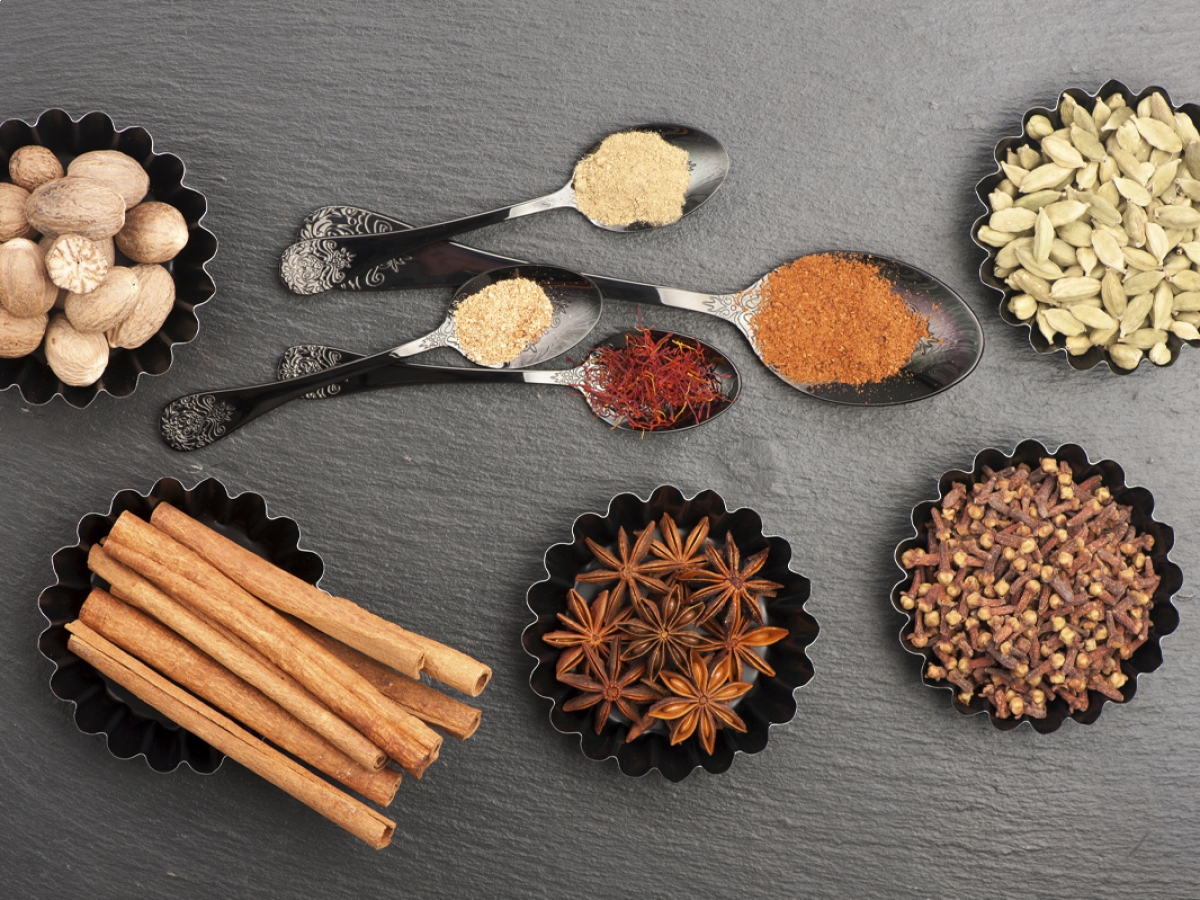
Coffee beans are porous and tend to absorb odours and moisture from the surrounding environment. This is especially true when the pantry is near foods, spices, or strongly aromatic products. Disorganised storage can compromise product integrity, encouraging the uptake of odours and humidity unrelated to coffee. The result is not only a less intense cup: at times, foreign notes appear that are difficult to attribute to an extraction issue and are more clearly linked to storage.
Where to Store Coffee Beans in a Bar
Deciding where to store coffee beans requires a careful assessment of the bar’s operating conditions. The product should be kept in a stable area, protected from light, away from heat sources, and separated from strongly odorous items. It is also advisable to avoid high-traffic zones, where coffee is frequently moved or left exposed for service convenience.
In many venues, stock is placed close to warm areas for operational ease, but this approach tends to compromise quality over time. A more effective system keeps the main stock sealed in the pantry and maintains only a limited service quantity for daily use, reducing the time the product remains open and preserving aromatic consistency.
Open Coffee Beans: How Long Do Coffee Beans Last, Really?
Understanding how long coffee beans last once opened is relevant for stock management. A clear distinction should be made between basic usability and the preservation of optimal sensory characteristics. After the bag is opened, aromatic quality gradually declines depending on how often it is opened, how much residual air remains inside, and the surrounding storage conditions.
This effect becomes even more pronounced once coffee is ground. Grinding dramatically increases the surface area exposed to air, accelerating the loss of aromatic compounds. For this reason, product handling after grinding requires specific precautions, as discussed in the dedicated article on ground coffee storage, which completes the freshness topic from bean to cup.
Original Bag or Container?
Managing beans after opening requires a careful evaluation of storage methods. The choice between keeping coffee in the original bag or transferring it to a dedicated container depends primarily on the effectiveness of the closure and the frequency of opening during service.
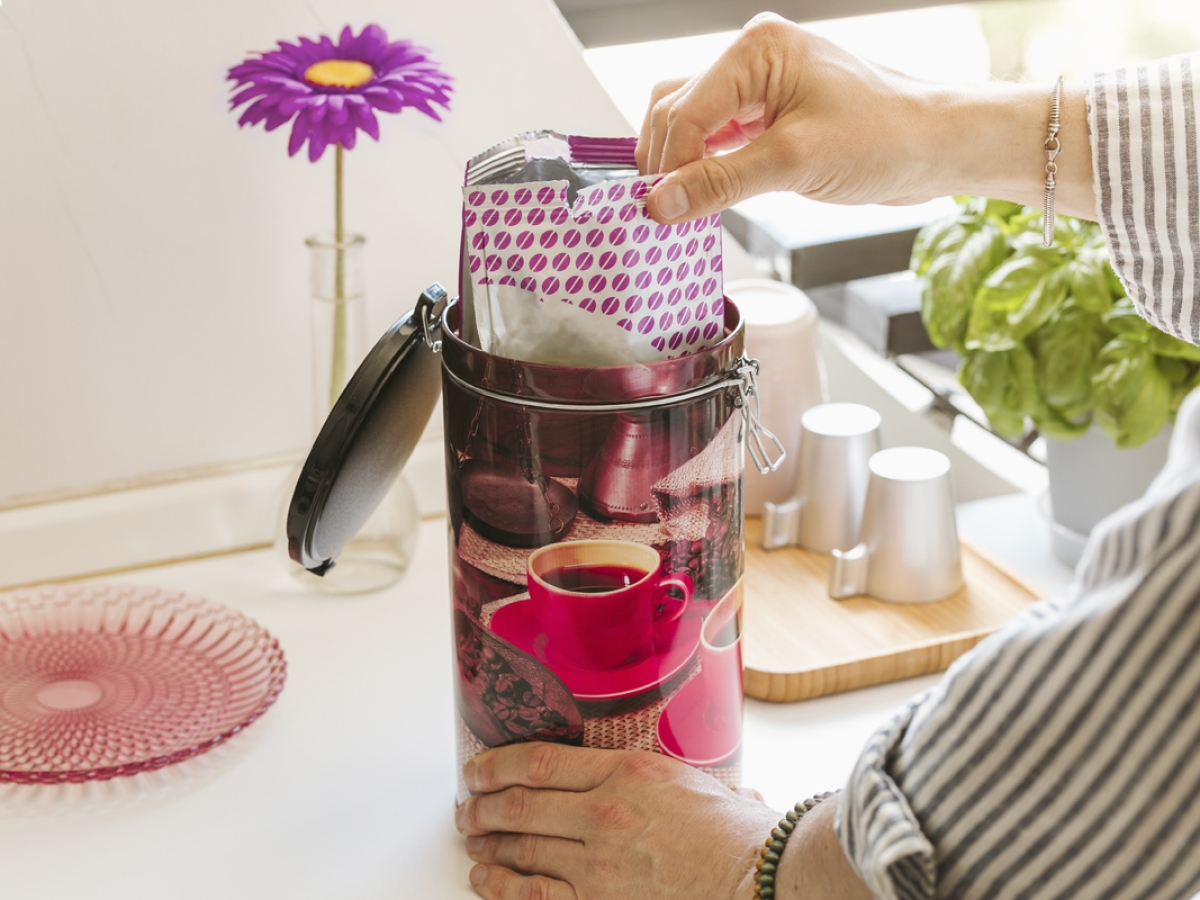
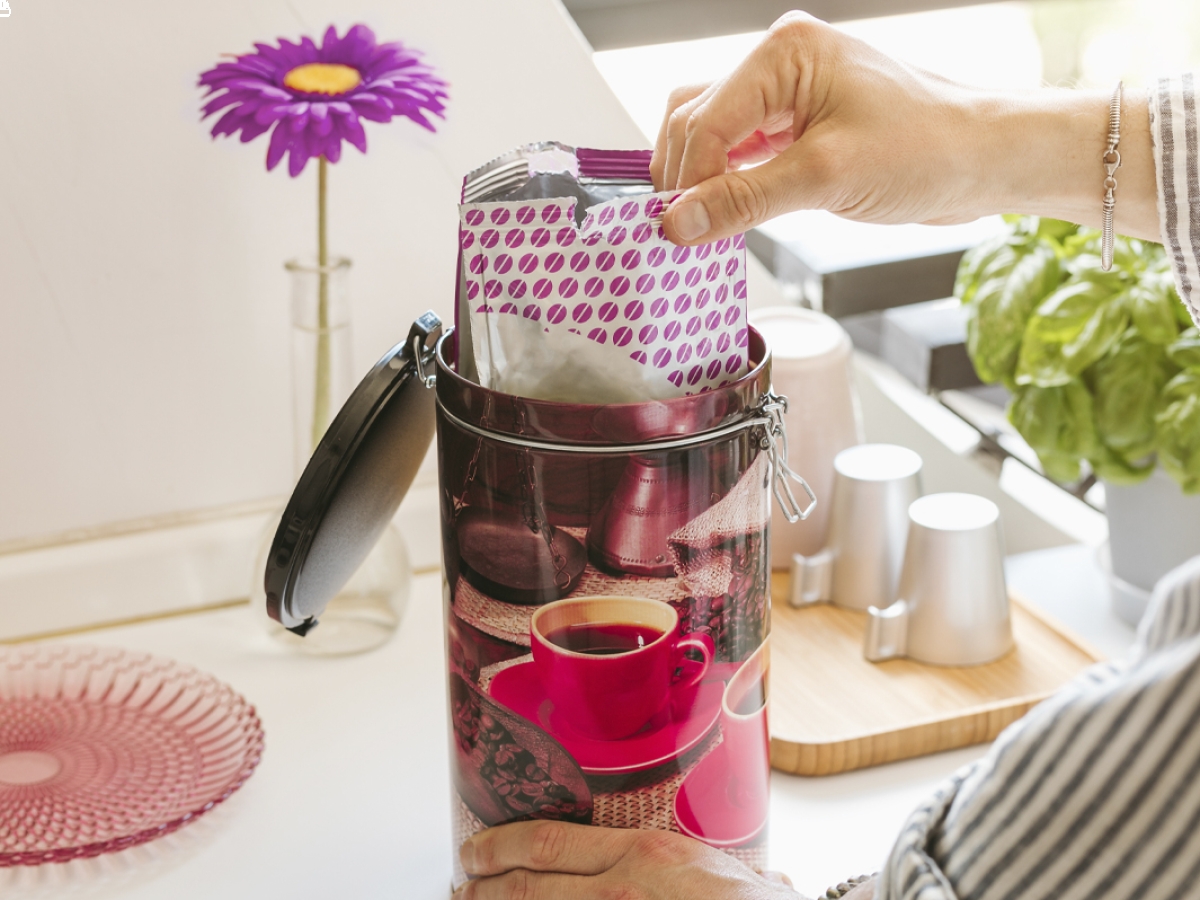
If coffee is packaged in a suitable bag and can be resealed effectively, keeping it in the original packaging helps limit unnecessary handling. Conversely, if the bag is opened frequently or cannot be sealed reliably, a suitable container can reduce exposure to air and simplify daily operations. In both cases, the objective remains controlling air, light, and potential environmental contamination.
How to Seal Coffee Properly After Use
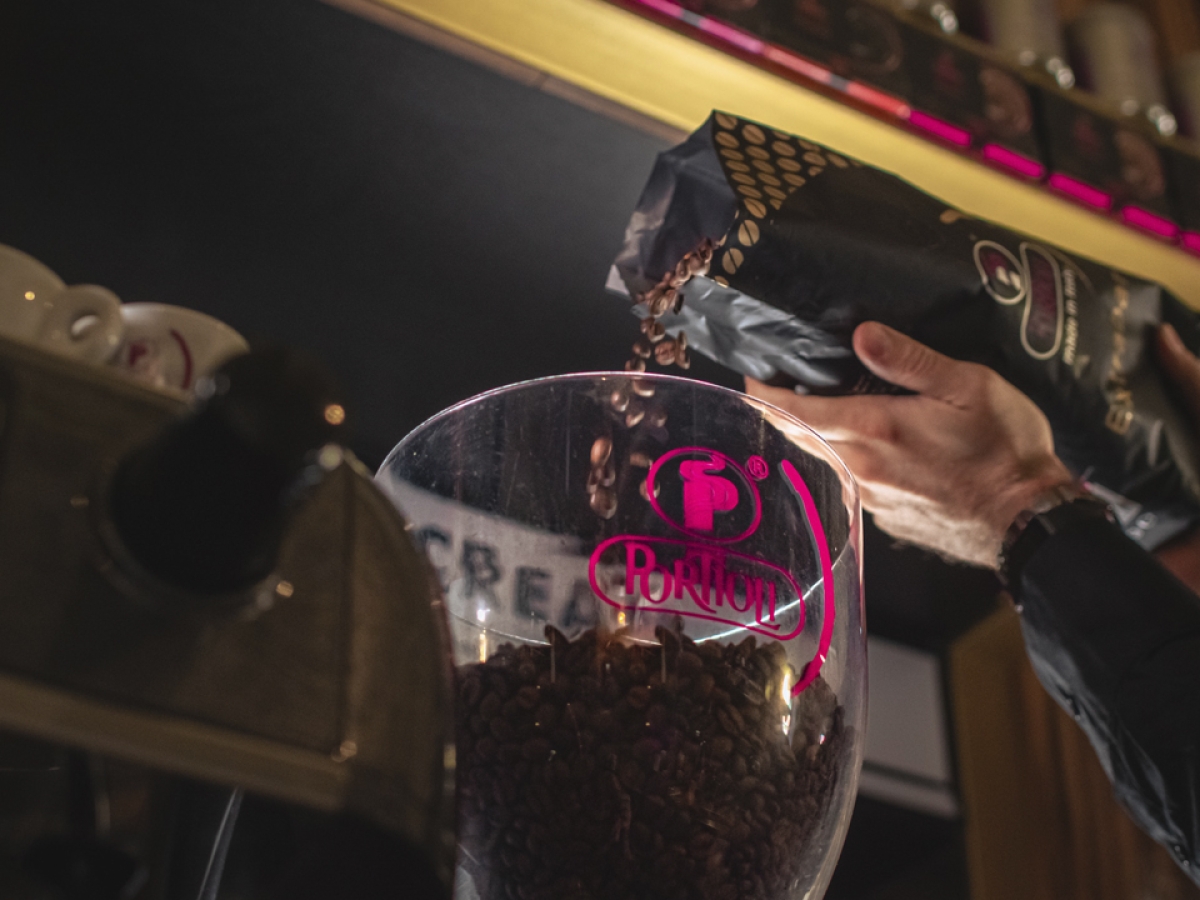
After each use, coffee beans should be resealed while minimising the amount of residual air inside the packaging. A careful closure and immediate return of the product to the designated storage area help limit oxygen exposure and preserve aromatic intensity over time.
Storage and Control of Extraction Results
How to store coffee beans affects not only sensory quality but also the predictability of results in extraction. In a professional setting, however, the need to keep coffee for prolonged periods can indicate that stock rotation is not fully aligned with the venue’s actual consumption.
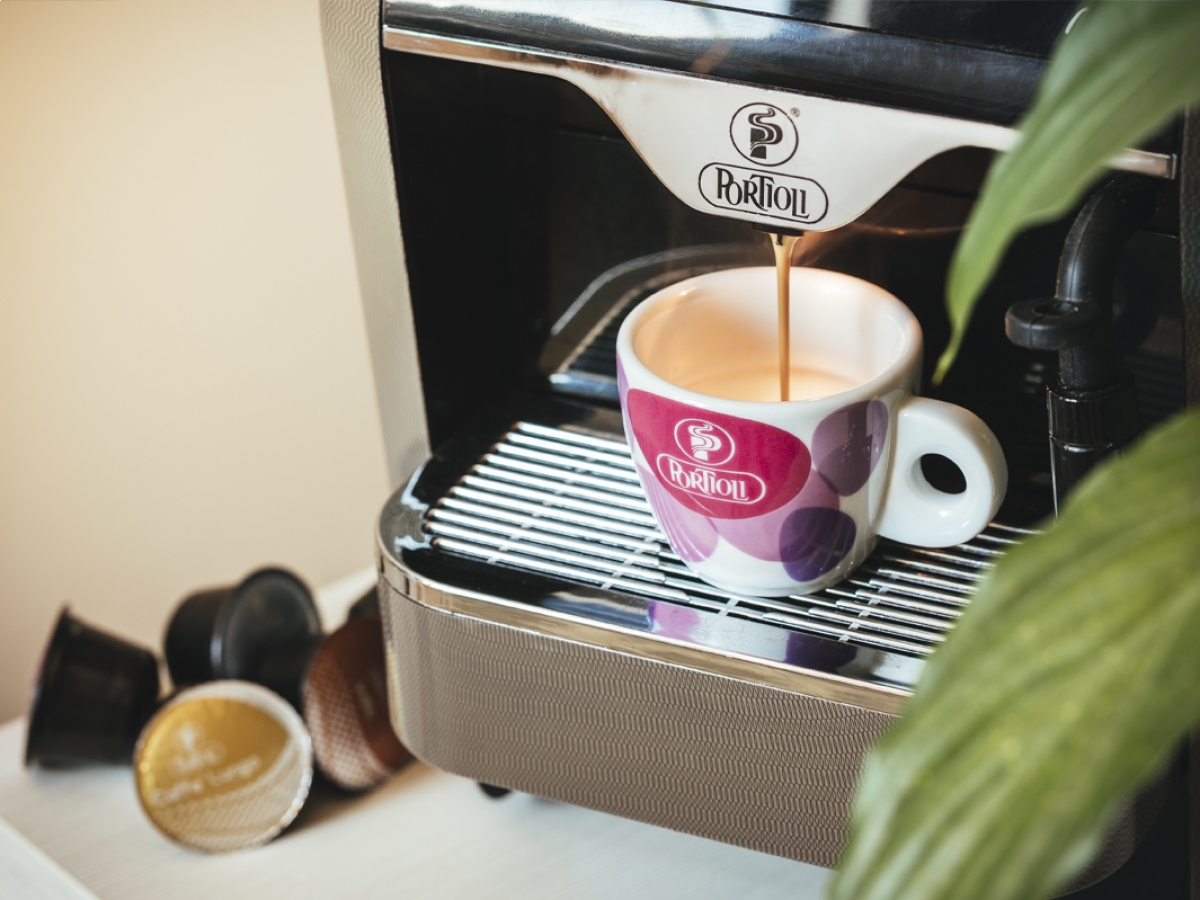
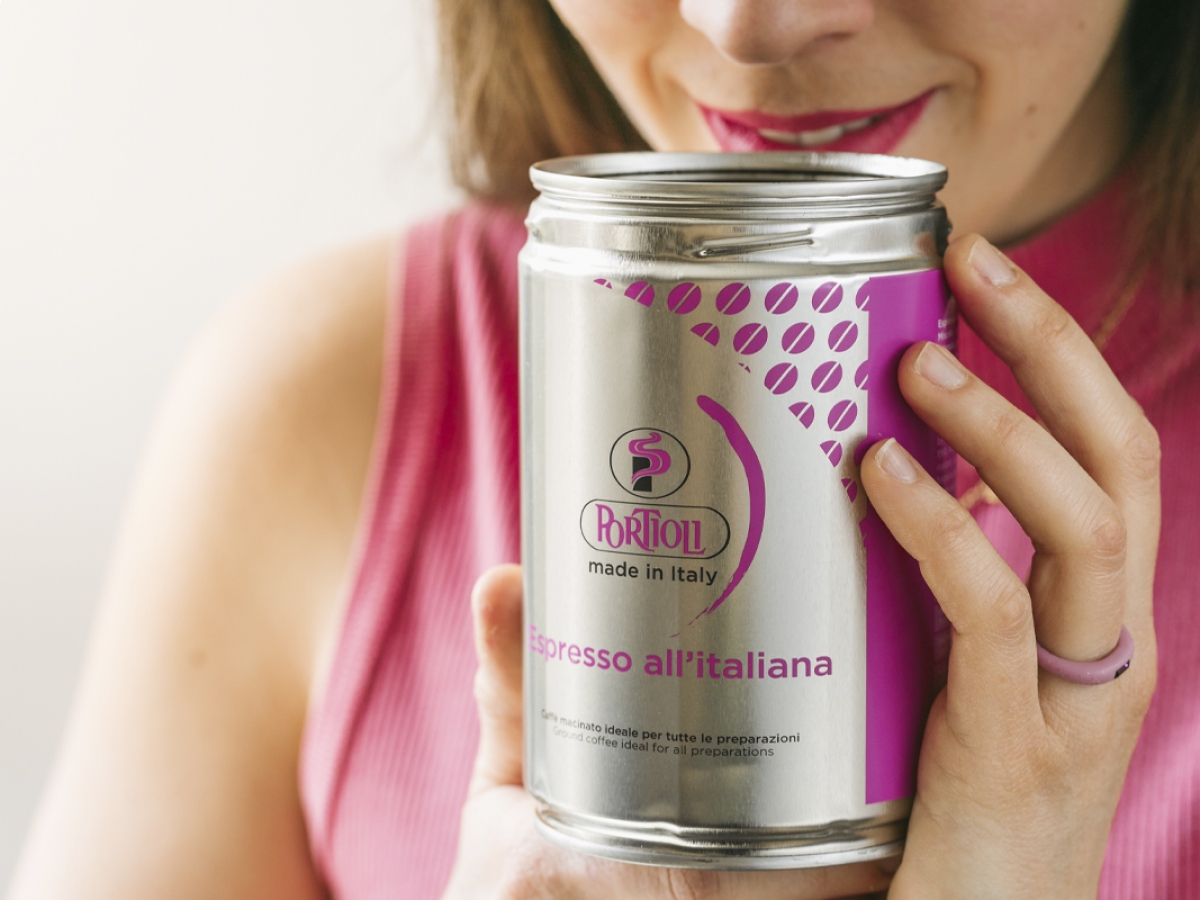
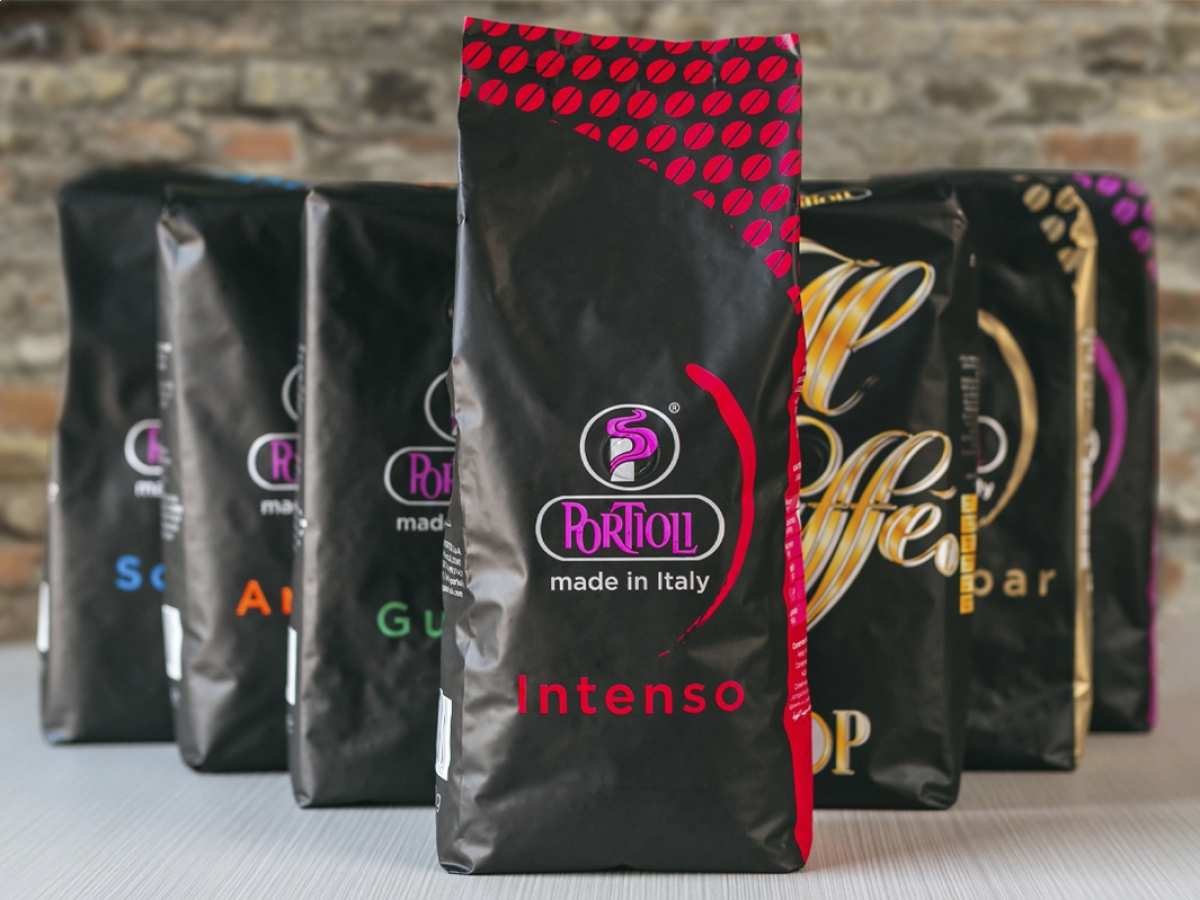
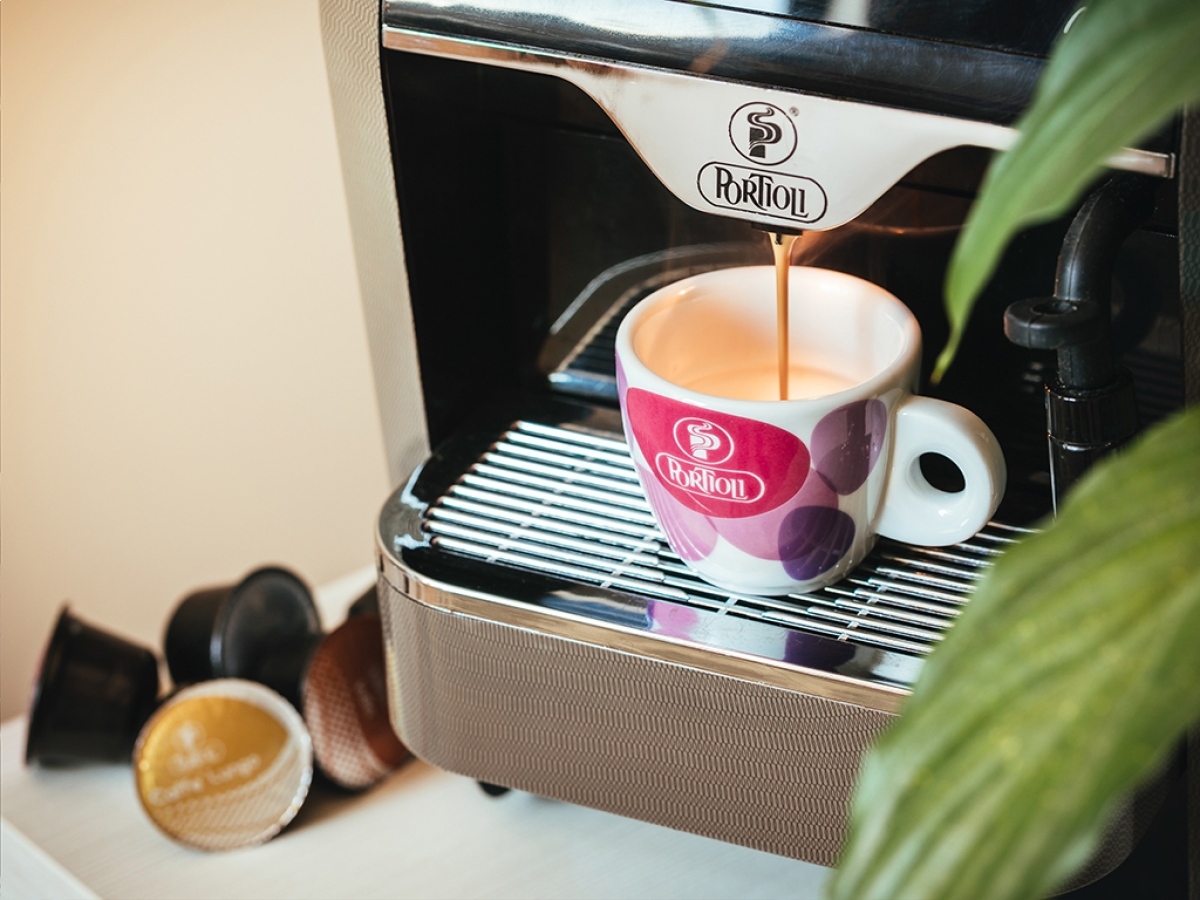
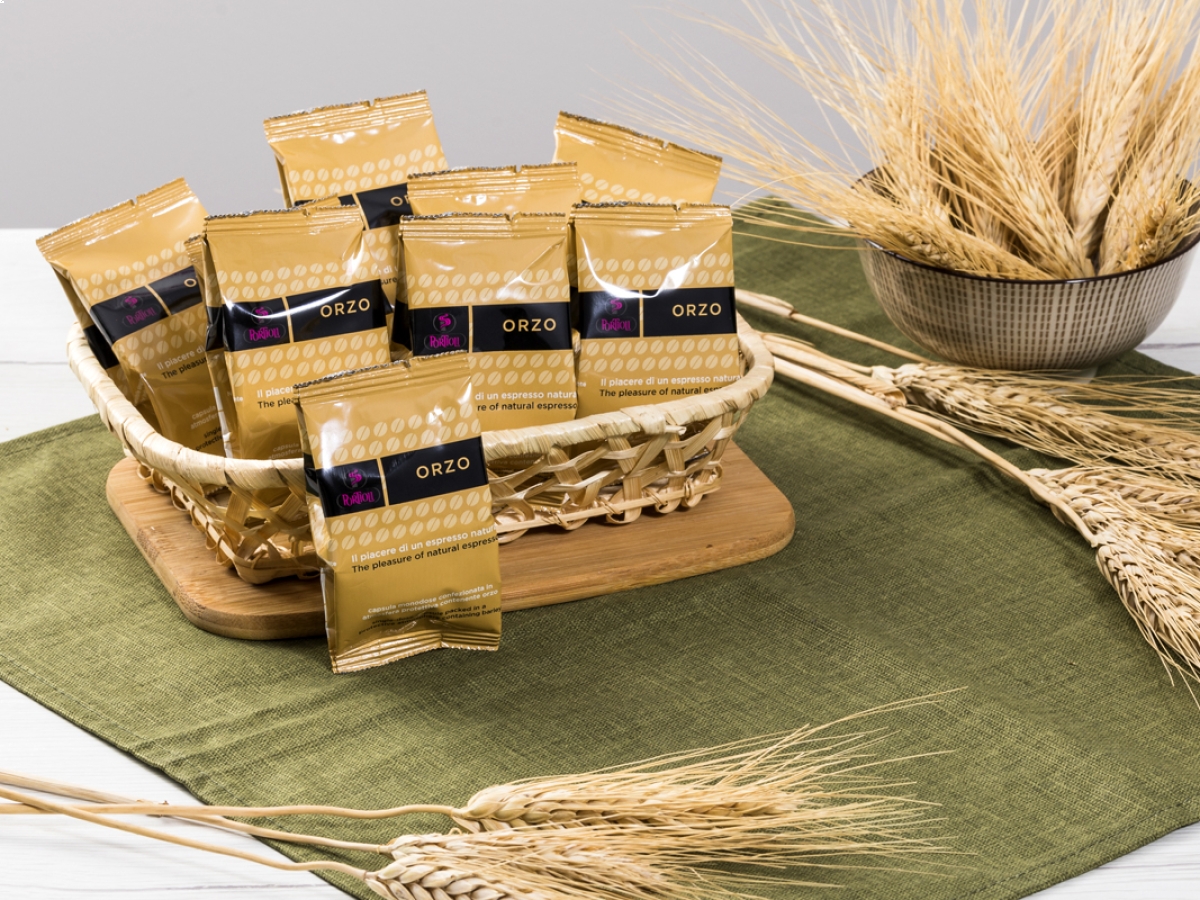
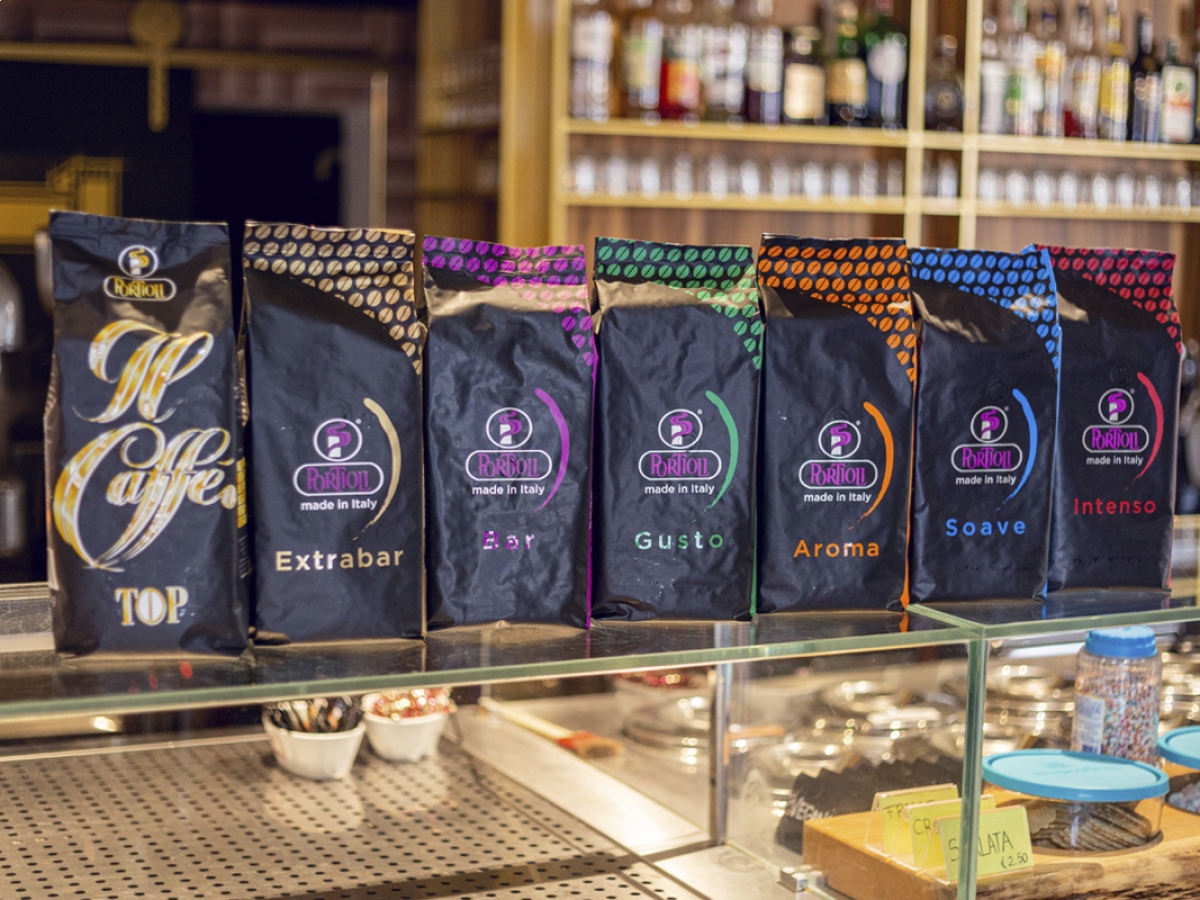
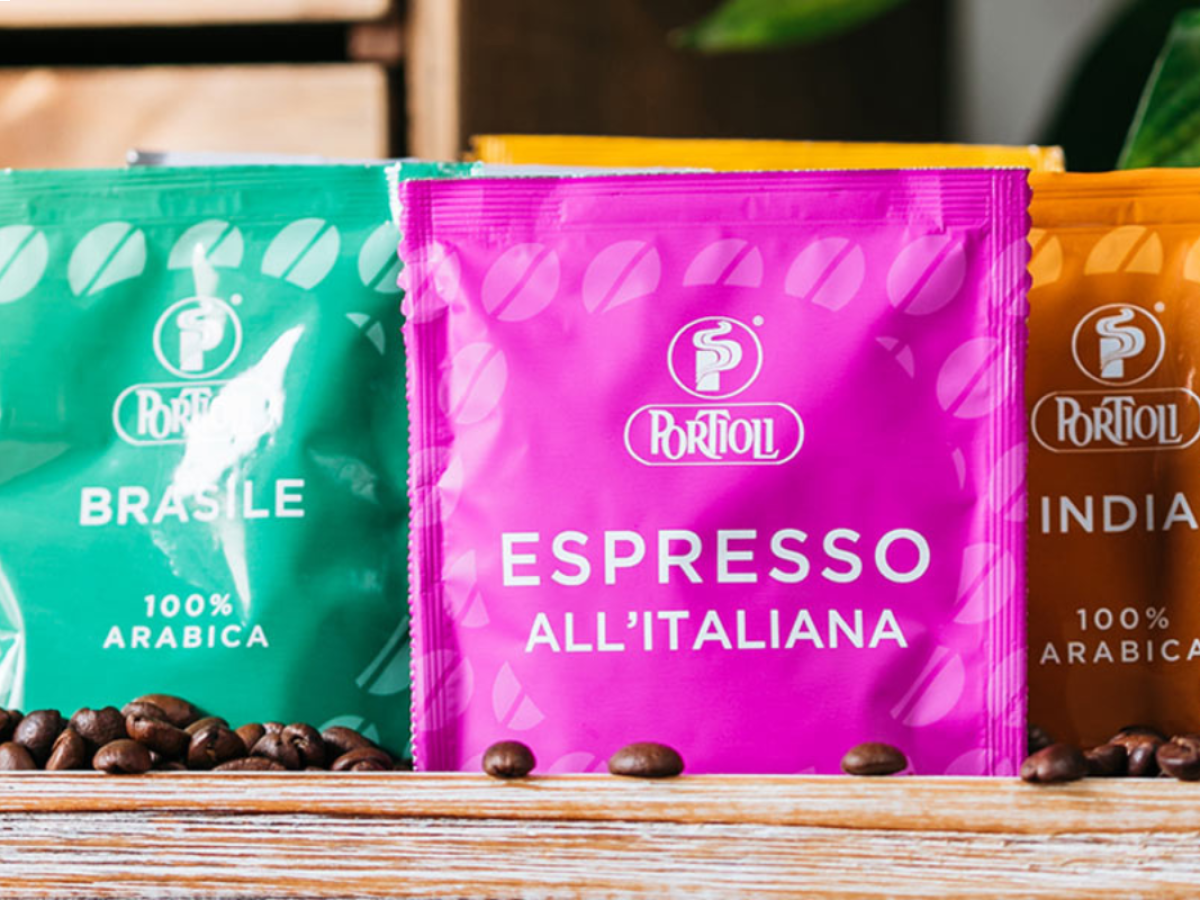
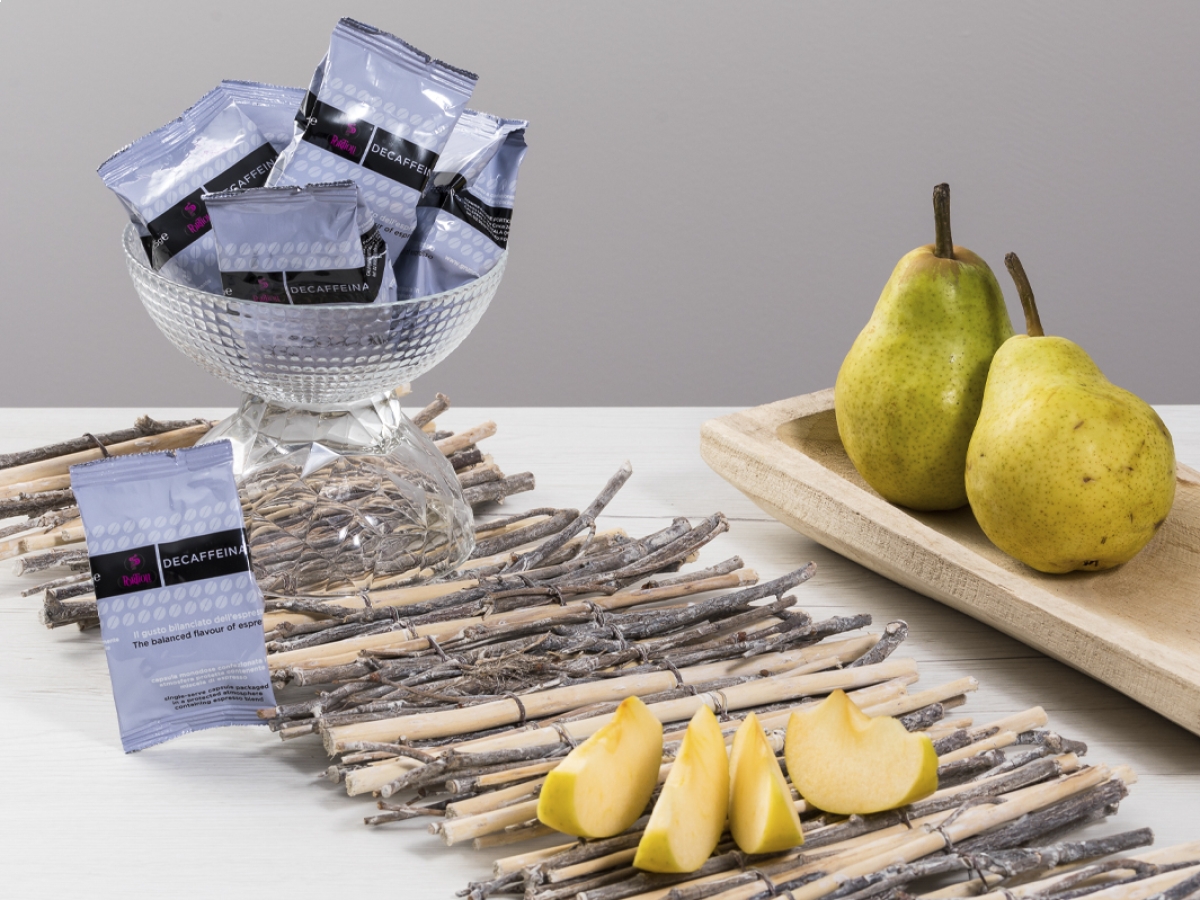
There is no one-size-fits-all solution: 3 kg tins, 1 kg or 500 g bags, and single-serve options such as capsules and pods meet different operational needs. Choosing the format that best matches service volume helps avoid excessive stock holding, reduce waste, and consistently ensure maximum product freshness.
In this context, consultation plays a decisive role. Supporting customers in analysing consumption patterns and selecting the most appropriate solution means creating the conditions for consistent quality over time. This is the approach Torrefazione Portioli follows every day: working alongside each business to define the most suitable format for its operational requirements, with the aim of preserving coffee freshness and delivering reliable results in the cup.
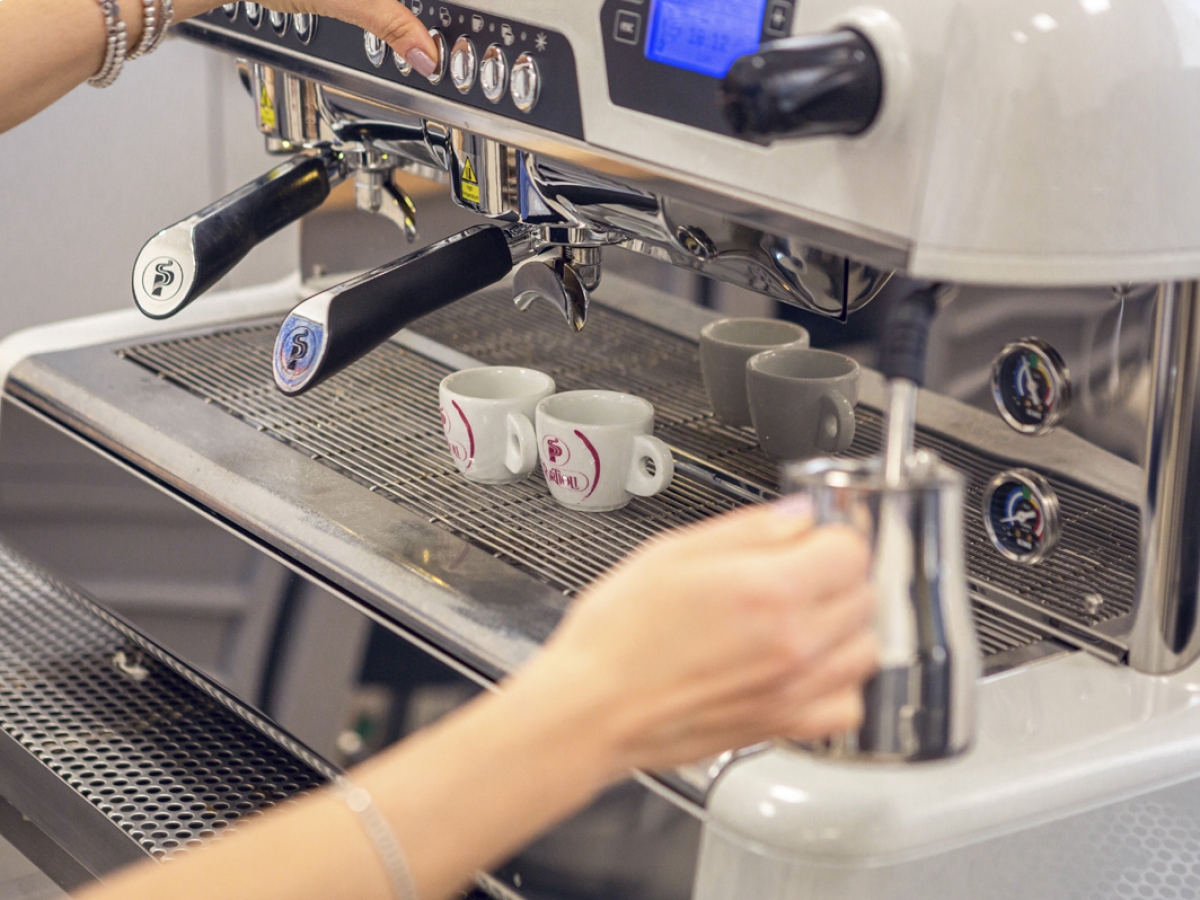
When coffee is managed correctly, extraction behaviour becomes more consistent: crema is more uniform, aromas are more clearly defined, and the need for corrective adjustments decreases. In this sense, coffee bean storage is not separate from the barista’s work, but a technical component that supports service consistency, from the grinder-doser to the cup.
Storage as Part of Service Quality
Correctly managing coffee beans in the bar pantry protects a sensitive raw material and enhances the daily work of extraction. Knowing how to store coffee beans and where to store coffee beans, as well as controlling timing and handling of opened packages, helps preserve aromatic intensity and overall consistency in the final result.
In professional environments, quality is not the outcome of a single gesture, but of a set of practices applied consistently. Storage fully belongs to this operational discipline which, although invisible to the customer, directly shapes the perceived quality of coffee in the cup.
Related articles







































Portioli Express
Home and office shopping
Experience authentic Italian espresso right at home with our premium blends in a variety of formats.
Go to the shop