





Plant-based drinks have become a regular part of the daily offer in many bars. They are no longer just an occasional request linked to specific needs, but a choice that many customers now expect to find at the counter.
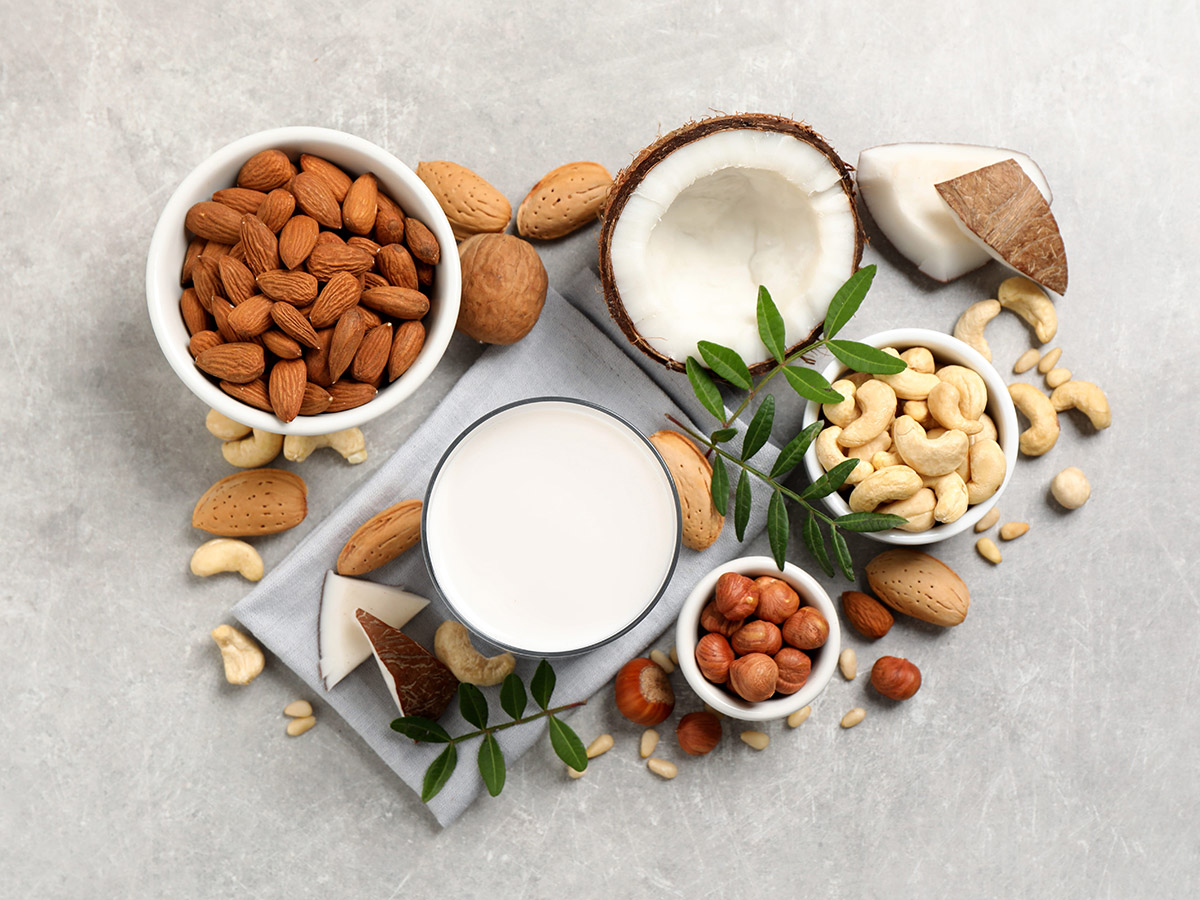
Oat, soy, almond and coconut are now used alongside cow’s milk in many preparations: cappuccinos, macchiatos, cold drinks, seasonal proposals and personalized drinks. For the barista, however, adding them to the menu does not simply mean adding another item. It means understanding their flavour, knowing which preparations they are most suitable for and presenting them clearly to the customer.
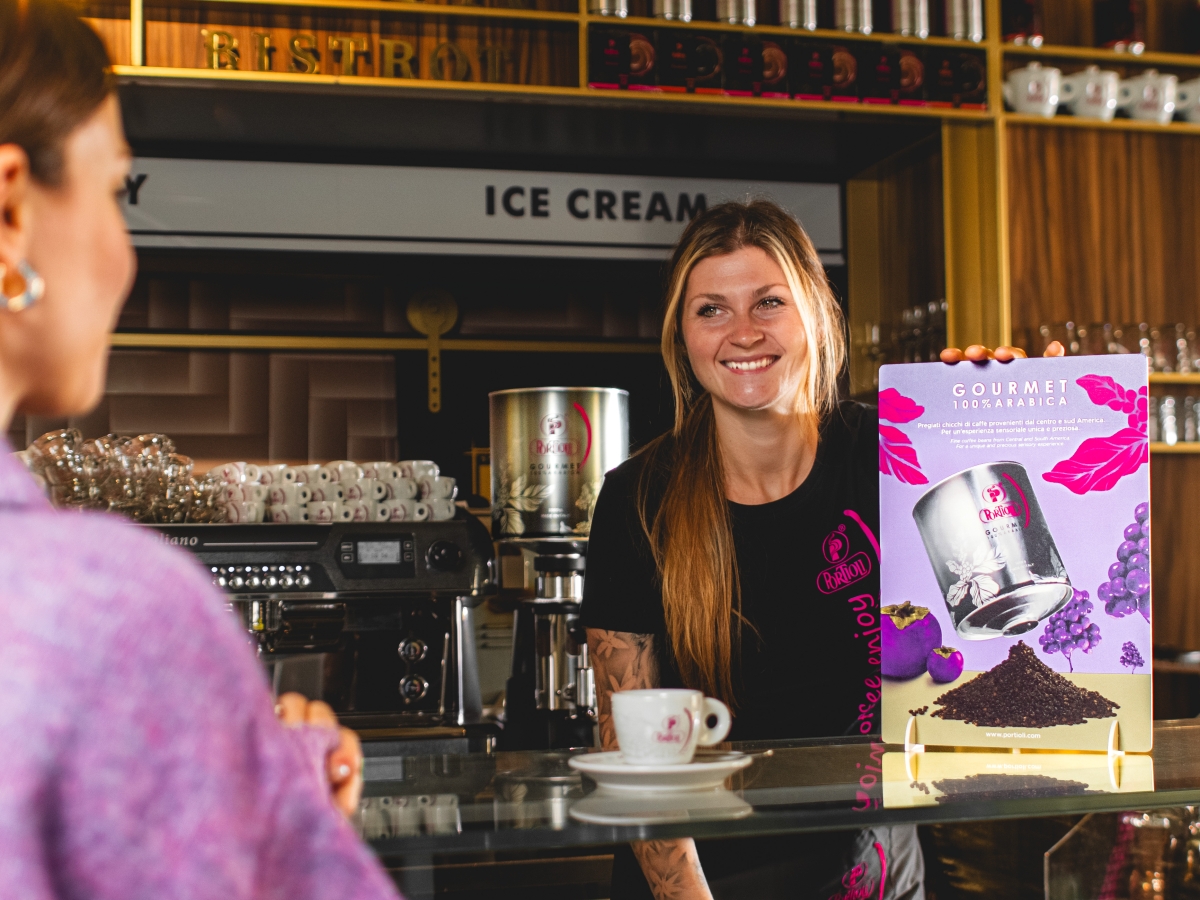
Good service starts here too: meeting new habits without overcomplicating the workflow behind the counter or turning the menu into something confusing to read.
Milk Alternatives Are Now Part of Everyday Counter Service
In recent years, milk alternatives have changed the way many customers experience their break at the bar. Some choose them for their taste, some for a lighter option, some for dietary habits, some because they are looking for lactose-free options at the bar, and others simply because they want to try something different.
This does not mean turning the venue into a vegan bar or changing its traditional identity. It means recognising that customers now expect more choice. If they come in for a cappuccino, they may ask for a plant-based cappuccino; if they are looking for a cold drink, they may appreciate a different texture, softer or lighter than the traditional version; if they follow a specific diet, they may ask for an alternative that fits their habits.
Plant-Based Cappuccino and Breakfast at the Bar
Cappuccino remains one of the most important morning preparations. For this reason, a cappuccino with plant-based milk should not be treated as a fallback option, but as a drink that deserves the same care as a traditional cappuccino.
Customers who order a plant-based cappuccino are not necessarily looking for something complex. More often, they want a pleasant, well-served drink that suits their taste. This is where the barista plays an important role: knowing which drink to suggest and how to explain it.
In this sense, the barista should not simply ask “which milk?”. A clear proposal helps customers choose more easily and improves the experience, especially during the busiest times of the day.
Milk Alternatives: Choosing According to the Preparation
Not all plant-based drinks are suited to the same preparations. Some work better in cappuccinos and breakfast drinks, while others are better suited to cold or seasonal recipes. Knowing these differences helps the barista choose the most suitable alternative and present it with greater confidence during service.
Oat Milk: Versatile for Cappuccino and Latte Art
Oat milk is often seen as one of the most versatile options. It has a soft, generally neutral profile, which makes it suitable for cappuccino and for preparations where the barista wants to maintain a balanced result, including in presentation.
An oat milk cappuccino can be an accessible choice for many customers: it has a gentle, rounded taste, fits naturally into a breakfast order, and still allows for proper microfoam and latte art on top.
Soy Milk: A Familiar and Appreciated Choice
Soy milk is one of the best-known alternatives. Many customers already associate it with plant-based cappuccino and choose it because it feels familiar. At the counter, it can work well when the customer is looking for a simple, recognisable option that is already part of their habits.
A soy milk cappuccino remains a frequent request in many venues, precisely because soy was one of the first milk alternatives to become established in bar service. It can also support an attractive visual result, including latte art.
Almond Milk: A Sweet Taste for Cold Drinks
Almond milk has a sweet and distinctive taste. It is not the most neutral option for cappuccino, but it can add personality to cold drinks or recipes where the almond flavour is meant to stand out.
For this reason, it can be useful when the bar wants to offer something different, especially in summer or at times of the day that are less closely linked to traditional breakfast habits.
Coconut Milk: Aromatic for Cold and Signature Proposals
Coconut milk has an aromatic and rounded profile. It can be interesting for cold drinks, seasonal proposals or signature recipes, especially when the coconut flavour is used as a distinctive element.
A coconut milk cappuccino may intrigue some customers, but it should be presented clearly: it is not a neutral alternative, but a choice with a marked flavour. For this reason, the barista should be able to explain what the customer can expect.
Dairy-free drinks and changing customer habits
Plant-based milk also helps a coffee bar respond to customers looking for dairy-free drinks, or simply a venue able to offer more than one option. What matters most is communicating that clearly.
Customers should be able to see at a glance which milks are available and which drinks they suit best. A short line on the menu, a chalkboard by the till, or a quick, simple explanation from staff can head off any confusion and make the decision faster.
That clarity helps the team just as much as the customer. When staff know which milk to suggest for a cappuccino, which ones hold up in cold drinks, and which have a stronger, more distinctive flavour, service runs more smoothly. The customer gets a confident answer, and the coffee bar keeps things running in an orderly way.
Adding Plant-Based Drinks to the Menu Without Complicating Service
Plant-based drinks become a real part of the bar’s offer when they are selected with a clear purpose. There's no need to stock every alternative available: it is more useful to choose the ones that answer the most frequent requests and can be managed consistently at the counter.
A bar that focuses mainly on breakfast can work with alternatives suited to cappuccino and caffè macchiato, such as oat and soy. A venue that works more in the afternoon or during the warmer season can also use almond and coconut in cold drinks or signature proposals.
The logic is the same as for any readable menu: a few clear choices, easy to explain and sustainable during service. Plant-based drinks can also sit alongside chocolate drinks, herbal teas, chai, matcha and other hot drinks alternative to coffee, expanding consumption occasions without making counter work more complex.
The Barista’s Role in Guiding the Choice
When a customer asks for plant-based milk, they often expect a simple and immediate answer. Service becomes more effective when the barista can connect each drink to the most suitable preparation. There is no need for a long explanation: clear indications are enough to help the customer choose better.
In this way, the staff avoids generic answers and makes the proposal more organised. In the daily work of a bar, quality does not depend only on ingredients, but also on the way they are selected, prepared and presented.
From Theory to the Cup: The Value of Training
Plant-based drinks require attention and a shared method. It is not enough to have them available: the team needs to know when to suggest them, how to describe them and which preparations they are best suited to.
Training helps the staff work with greater confidence and offer more precise answers to customers. Even a simple proposal, when managed well, can become a distinctive element of the venue.
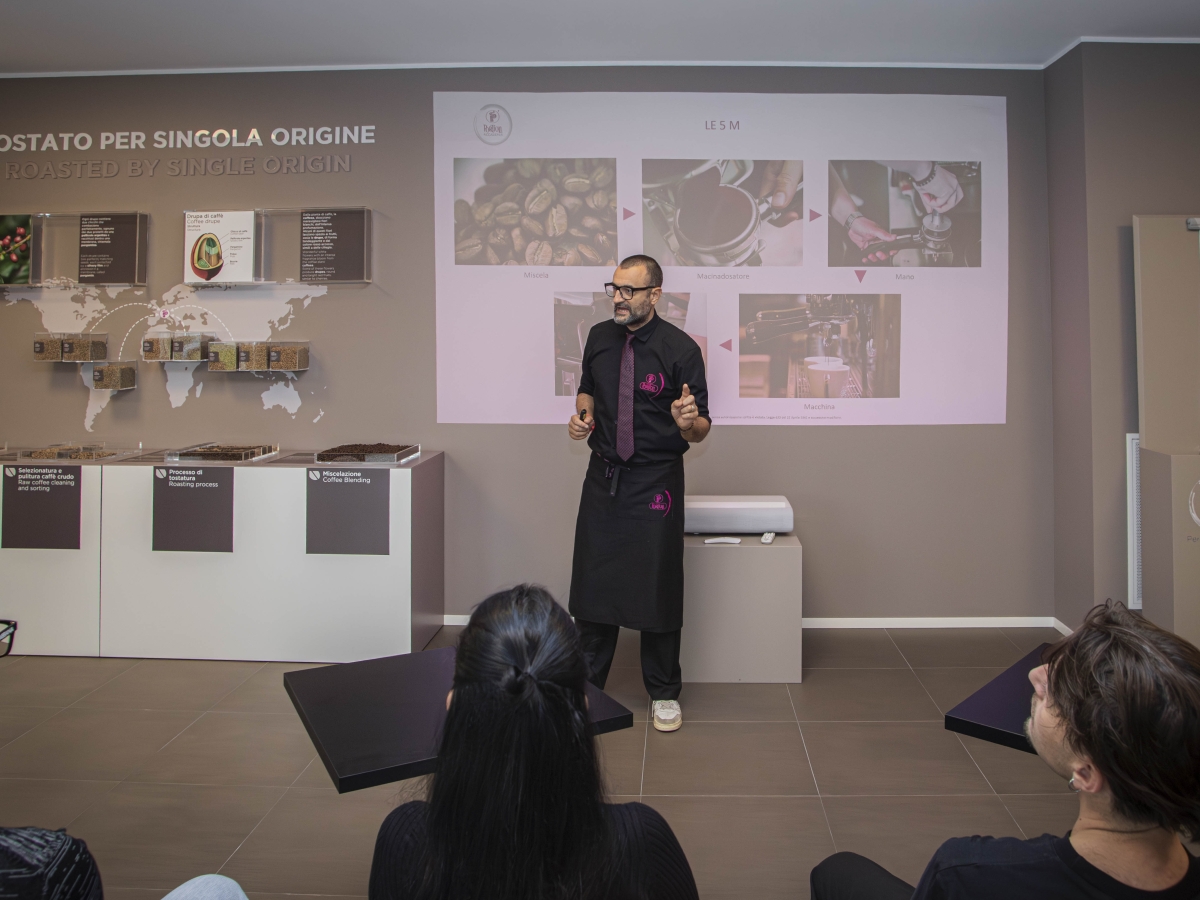
Torrefazione Portioli supports bars and professionals in developing their service through the Portioli Academy. From theory to the cup, the aim is to help teams manage new consumption habits with practical tools that can be applied every day.
Plant-based drinks do not replace the tradition of the Italian bar. They complement it, expanding the range of choices and making service more attentive to the needs of today’s customers.
FAQ
Which plant-based drinks should a bar offer?
Oat, soy, almond and coconut are among the most common options. The choice depends on the type of venue, the menu and the preparations most requested by customers.
Which plant-based milk is best for cappuccino?
Oat milk is a very versatile option, while soy milk is familiar and appreciated by many customers.
Does plant-based cappuccino replace traditional cappuccino?
No. A plant-based cappuccino complements the traditional cappuccino and offers an additional choice for customers looking for milk alternatives.
How can plant-based drinks be added to a bar menu?
It is better to start with a few clear options, indicating which preparations they are most suitable for: cappuccino, caffè macchiato, cold drinks or seasonal proposals.
Why is staff training important for plant-based drinks?
Because having them available is not enough: the team needs to know when to suggest them, which preparations to use them in and how to present them clearly to customers.
Related articles






























Portioli Express
Home and office shopping
Experience authentic Italian espresso right at home with our premium blends in a variety of formats.
Go to the shop