






Improving the economic performance of a venue does not always mean changing the price list. Bar revenue also depends on the number of customers served, how often they return and the average value of each order. By focusing on these areas, a venue can increase bar sales without changing the price of each item on the menu.
The goal is not to push every customer towards spending more. It is to make the offer easier to understand. When the menu, the counter and the service work in the same direction, higher sales come from a better organised proposal.
How to Increase Bar Sales Starting from Real Data
To understand how to increase bar sales, it helps to look at three key variables: customer numbers, visit frequency and average bar receipt.
A venue with many customers and very simple orders can work on the composition of each purchase. A bar with a good average receipt but few customers should focus on offer visibility and on the reasons that can encourage a new visit. If visit frequency is low, the first step is to identify which parts of the offer can help customers return and which time slots deserve more attention.
By tracking what sells, when it sells and what customers naturally order together, a bar can spot real opportunities without adding unnecessary items to the menu.
Increase the Average Bar Receipt Without Changing Prices
The average bar receipt increases when each order becomes more complete: one additional product, a better pairing, or a stronger contribution from categories with a good margin.
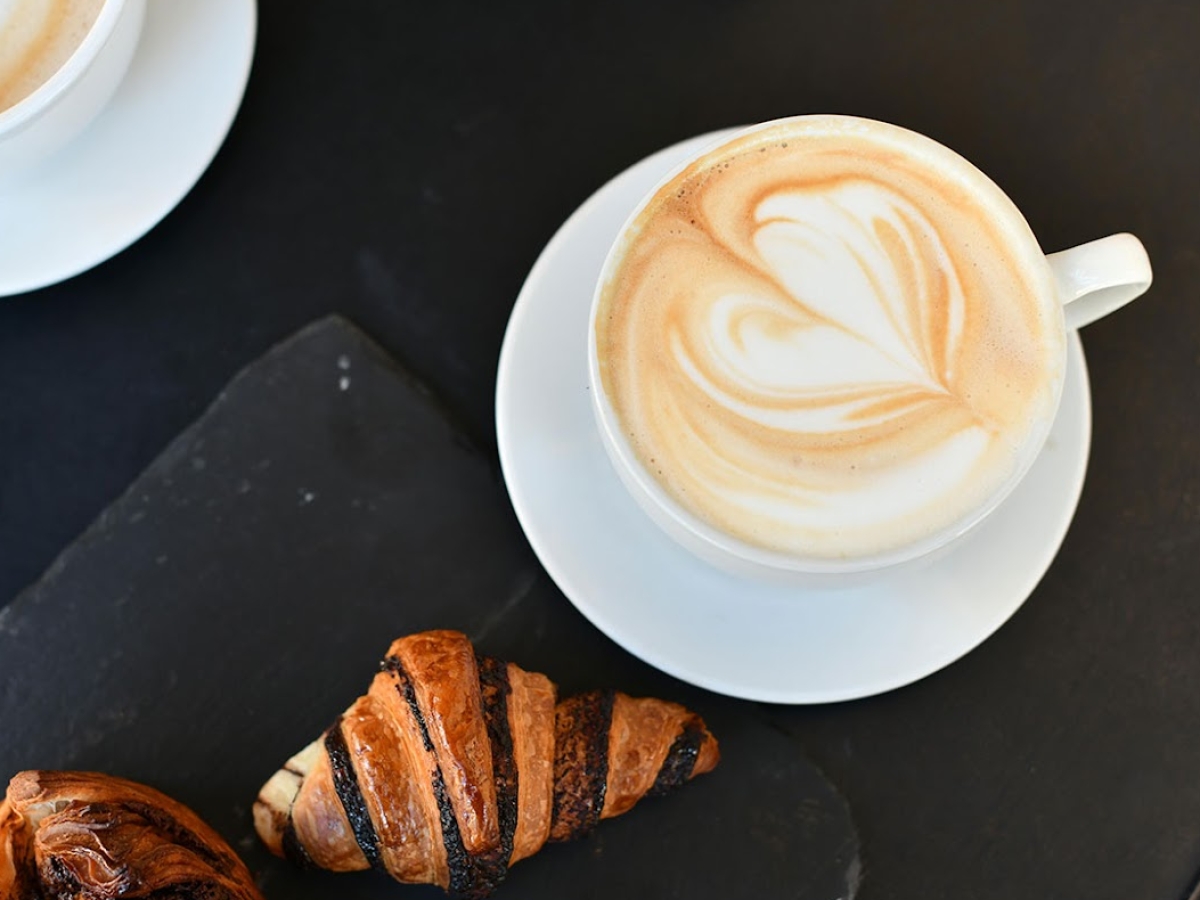
An espresso can remain a single order, or it can be paired with something that fits the time of day. The same applies to a cappuccino, a cold drink, a lunch break or an aperitivo. The extra proposal should feel natural, complete the order and fit smoothly into the pace of service.
To increase bar sales without changing prices, it is better to focus on a few clear combinations rather than adding too many products. Complementary items, kept available and presented clearly, are often more effective than a wide selection that customers struggle to read.
Improve Bar Performance by Making the Menu Clearer
To understand how to improve bar performance, it is important to look at how easily customers can read the menu and make a choice. Even a strong range of products can underperform when categories, main items and seasonal proposals are not clearly organised.
The menu should guide customers through the main moments of the day and highlight the items the bar wants to promote. Long descriptions and overlapping categories slow the decision down. A simple structure helps customers understand what is available, what makes each offer different and which products can be paired together.
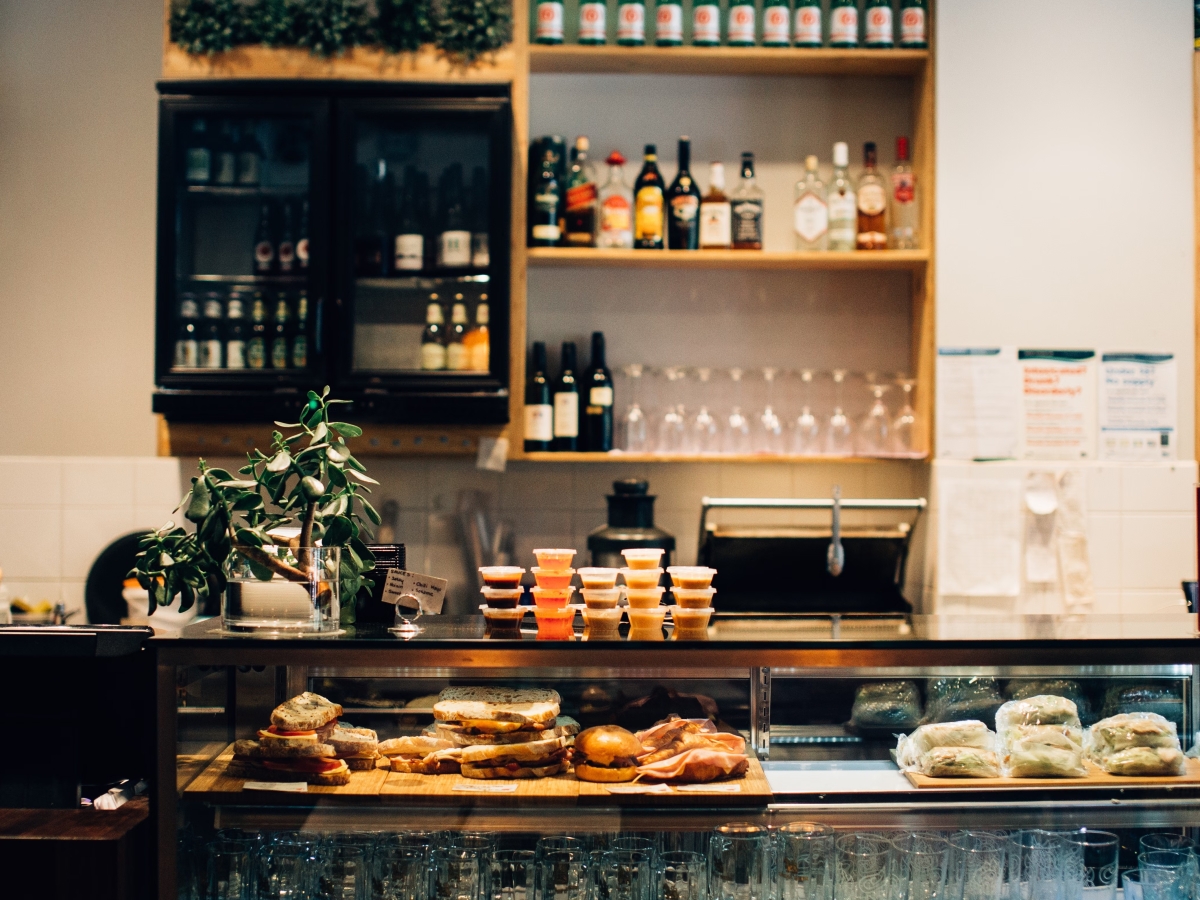
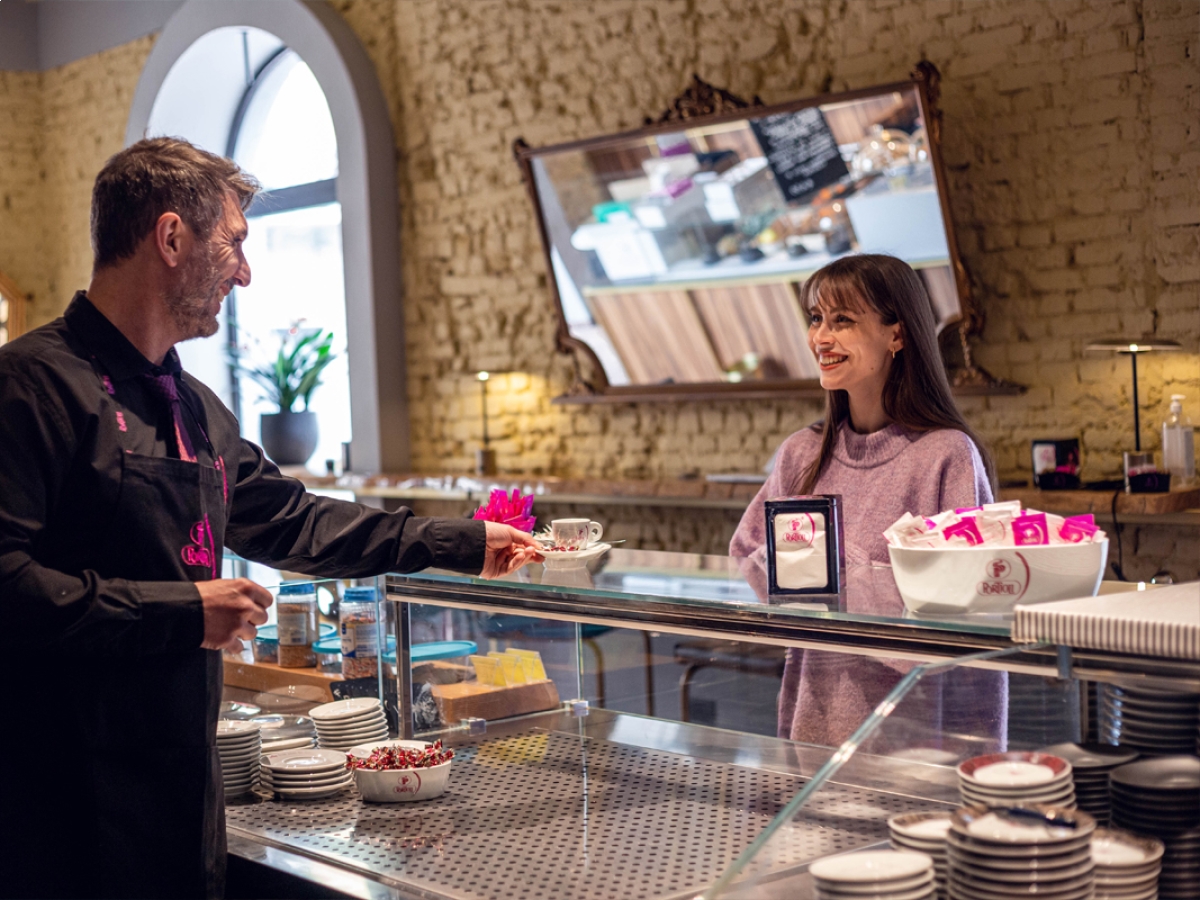
The counter also plays a role. Products that complete the most common orders should be easy to see. Not everything needs the same level of visibility: a clear, well-ordered display is often more effective than an overloaded counter.
Menu, display and staff communication should point in the same direction. If a product is promoted on the menu but is not available, not visible or not explained clearly, the opportunity is easily lost.
Attract More Customers to the Bar Without Relying on Discounts
To attract more customers to the bar, continuous promotions are not always the best solution. Discounts can bring occasional traffic, but they do not necessarily create regular visits and may reduce profitability.
To bring more people in, a bar needs to make its strengths easy to recognise: a breakfast proposal, a seasonal drink, a lunch break service suited to the local area, or a message outside the venue that clearly explains what customers will find inside.
The window display, the outdoor menu, the online presence and local communication should make the offer easy to understand. That promise must then be confirmed at the counter: order, timing, product availability and consistent quality all help customers come back.
New customers and average transaction value should grow together. More footfall without well-structured orders, or higher spending without enough customer flow, both limit the growth of the business.
Reduce Missed Sales During Service
To increase bar revenue, it is also useful to look at the sales that never reach the till. A sale can be missed when a product is not available, is not visible, takes too long to prepare or cannot be explained clearly by the staff.
These missed opportunities often appear during service: recurring requests that are not answered, products that run out at peak times, customers who give up waiting, or categories that attract attention but generate few orders. These signals help distinguish a real lack of demand from a problem in organisation.
Recovering even part of these sales means aligning the menu, stock levels and service timing with demand that already exists.
Counter Suggestions and Staff Preparation
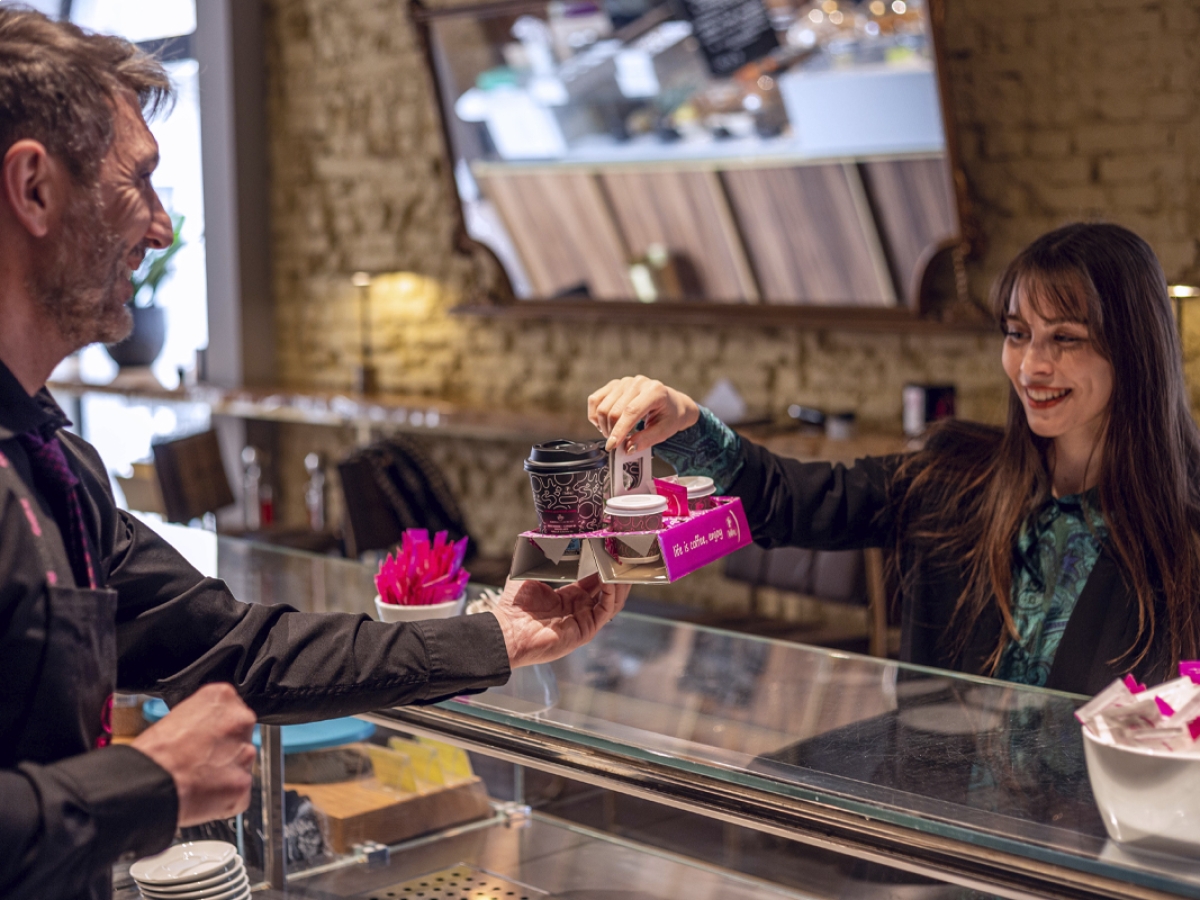
An effective suggestion is short, specific and connected to the order. A generic question such as “Anything else?” leaves the customer to identify the possible addition. A precise suggestion makes the choice easier.
The staff should know what is available, how long each preparation takes, which ingredients are involved and which products work well together. They should also know which proposals to prioritise in each time slot and which ones to avoid when the counter is already working at full capacity.
Training helps keep the tone professional and consultative. The barista does not need to insist: the aim is to recognise when there is a real opportunity to complete the order and improve the customer experience.
Measure Bar Revenue and Profits
To understand what really affects bar profits, total revenue is not enough. Two days with the same takings can have very different margins, customer numbers and sales composition.
The average transaction value shows how much each order is worth. The number of products per transaction shows whether customers are buying single items or more complete combinations. Category performance helps identify which parts of the menu contribute most to revenue. Margins, unsold products and stock rotation complete the picture.
Every action should be specific and measurable, so that bar KPIs can connect economic data with operational decisions. Testing is part of the process: a pairing, a time slot or a different product position can be tried for a defined period and then evaluated through the data collected.
Increase Bar Revenue with a Sustainable Method
To increase bar profits, sales growth has to be considered together with costs, margins and service capacity. The most solid bar sales strategies focus on products that match the identity of the bar, respond to customer demand and can be managed consistently during service.
The objective is to sell more effectively what the bar can prepare consistently, while maintaining quality and suitable margins.
To increase bar revenue without raising prices, the work should focus on the composition of each order, the clarity of the menu, staff preparation and the reduction of missed opportunities. Bringing in more customers expands the potential customer base; managing the menu and service more carefully makes each visit more valuable.
The result comes from observing buying behaviour, setting operational priorities and measuring results with concrete data. This shift from occasional suggestions to a measurable method helps the bar grow sales and profitability without weakening the relationship with the customer.
Related articles











Portioli Express
Home and office shopping
Experience authentic Italian espresso right at home with our premium blends in a variety of formats.
Go to the shop