






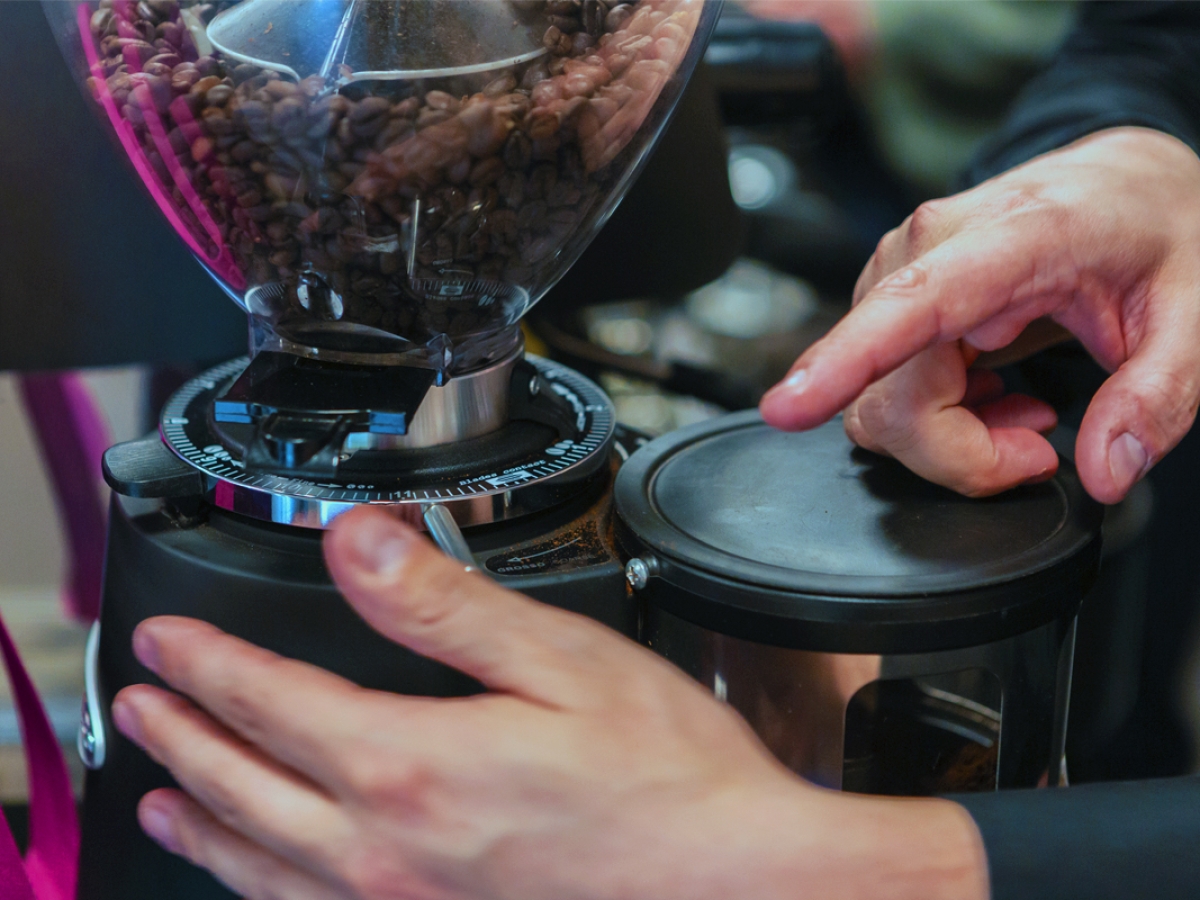
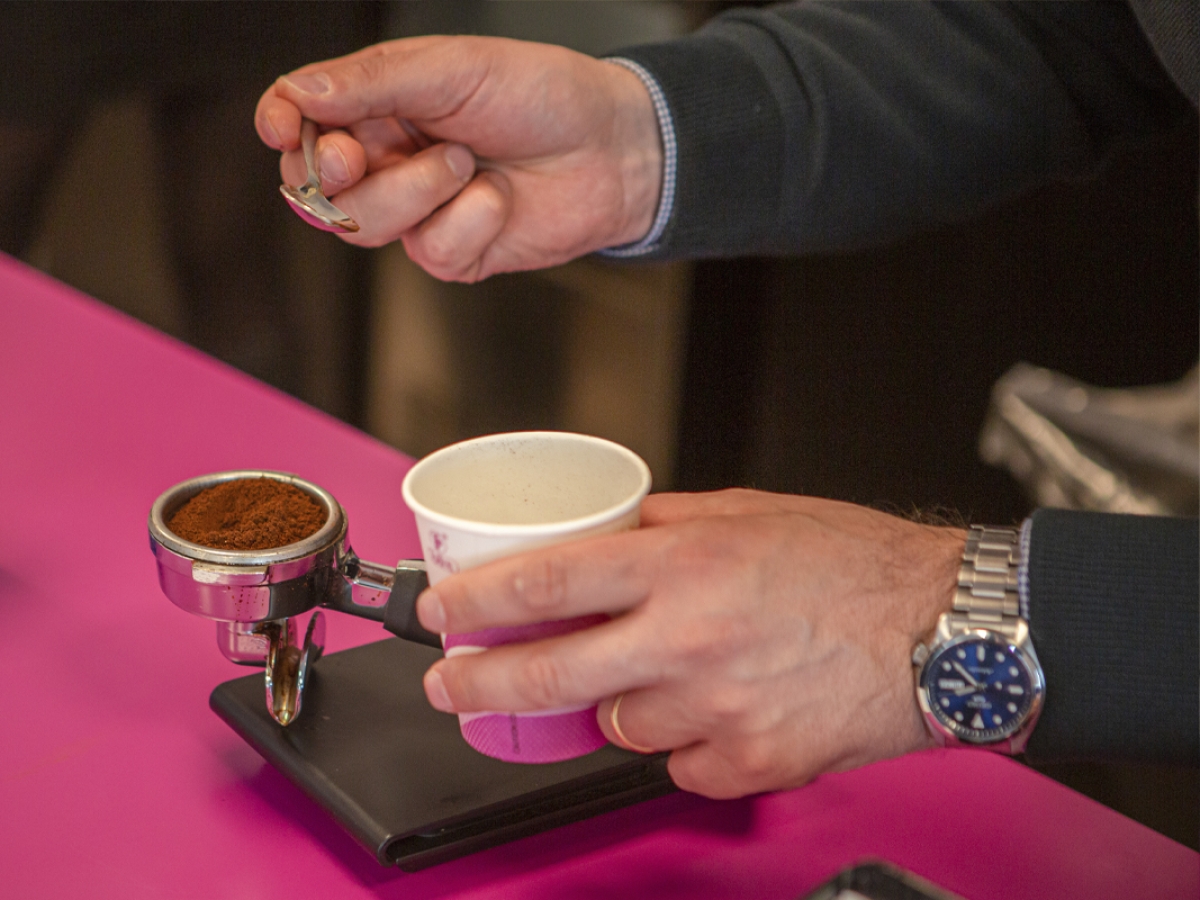
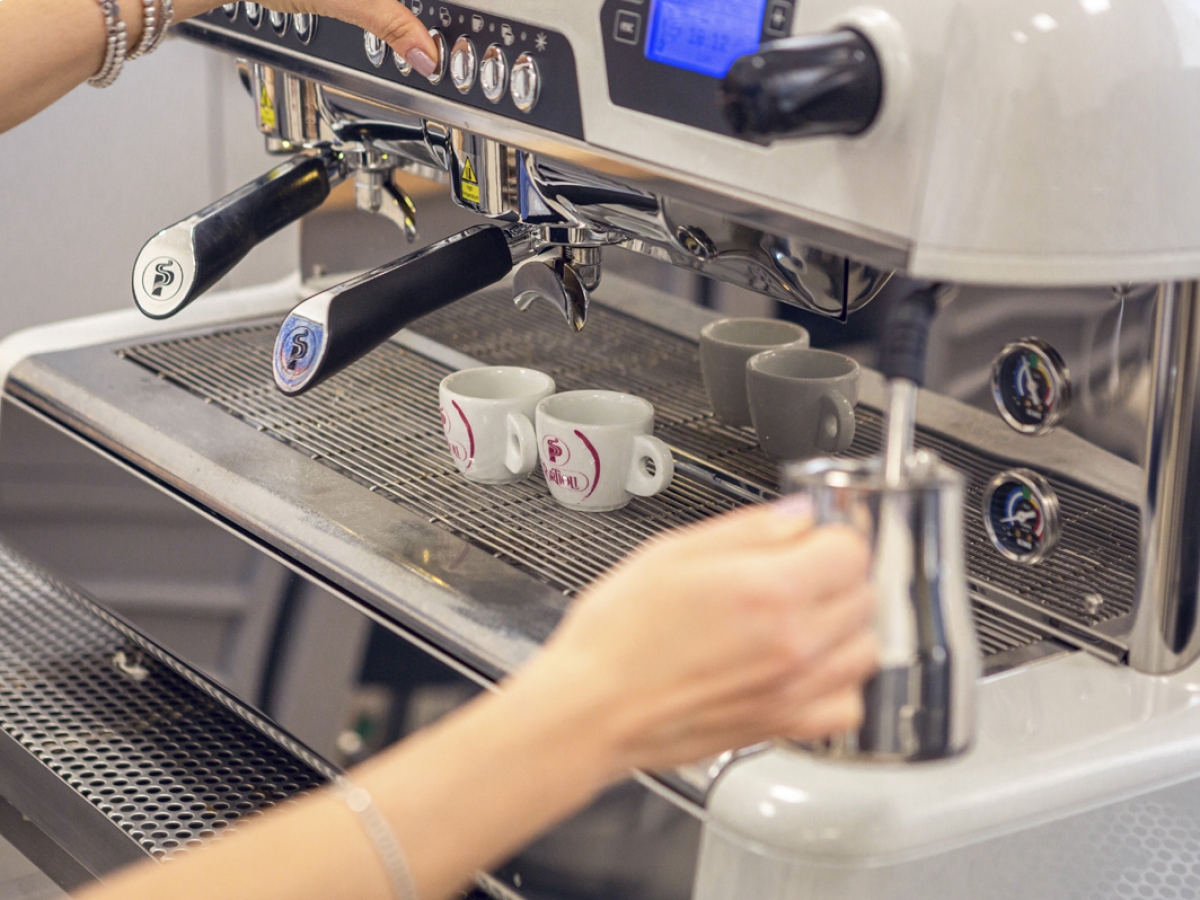
Every perfect espresso is born from a precise balance of blend, grind size, dose, and pressure. Among these elements, the grinder-doser plays a fundamental role: it is the tool that allows you to achieve a consistent and uniform grind, an essential condition for enhancing coffee blends and ensuring consistently even results in the cup. Often underestimated, the grinder-doser is actually the operational heart of the barista’s workstation. Understanding how it works, knowing how to adjust it accurately, and keeping it clean are skills that make the difference between a good espresso and an excellent one.
How to find the perfect setting
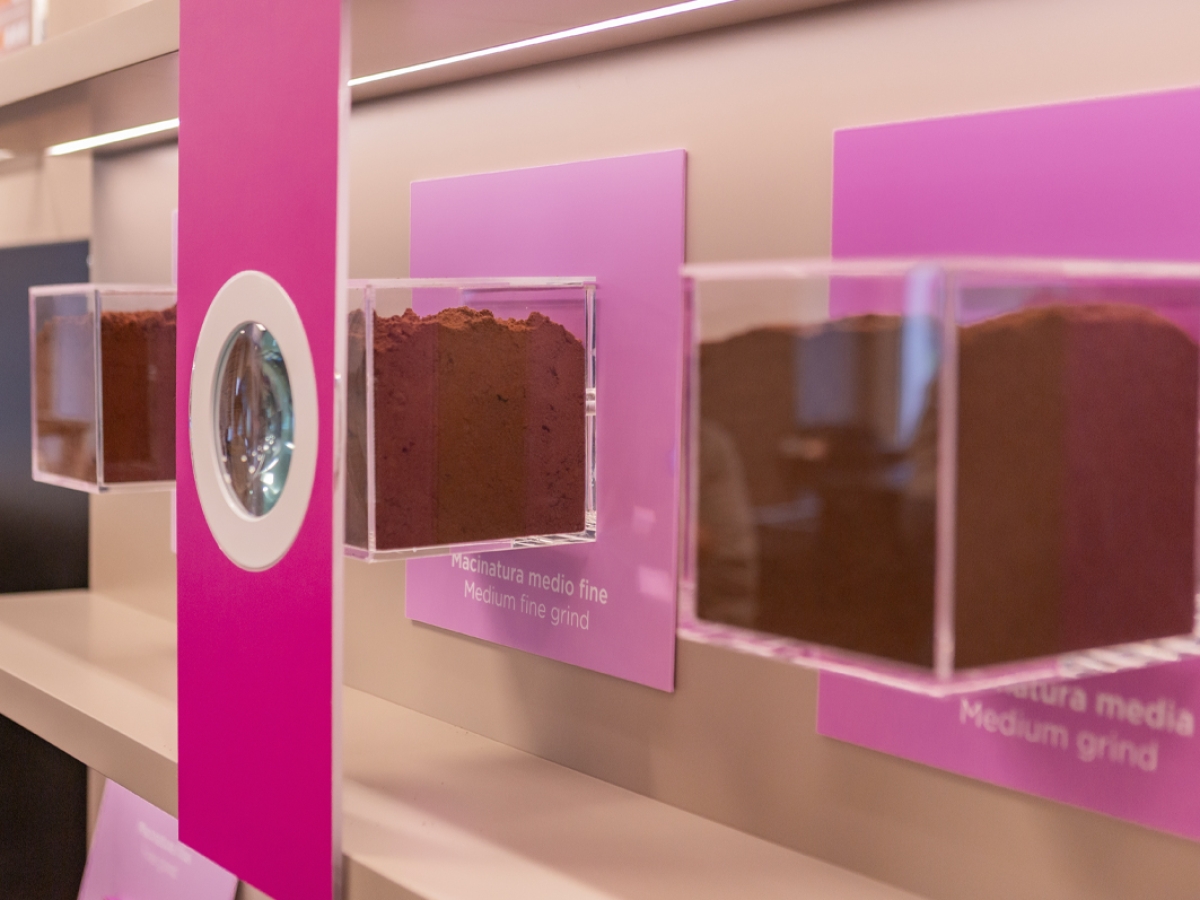
Every coffee blend has its own characteristics in terms of density, humidity, and roast level, and therefore requires a dedicated setting. The general rule is simple: the finer the grind, the longer it takes for water to pass through the coffee puck; the coarser it is, the faster the extraction will be.
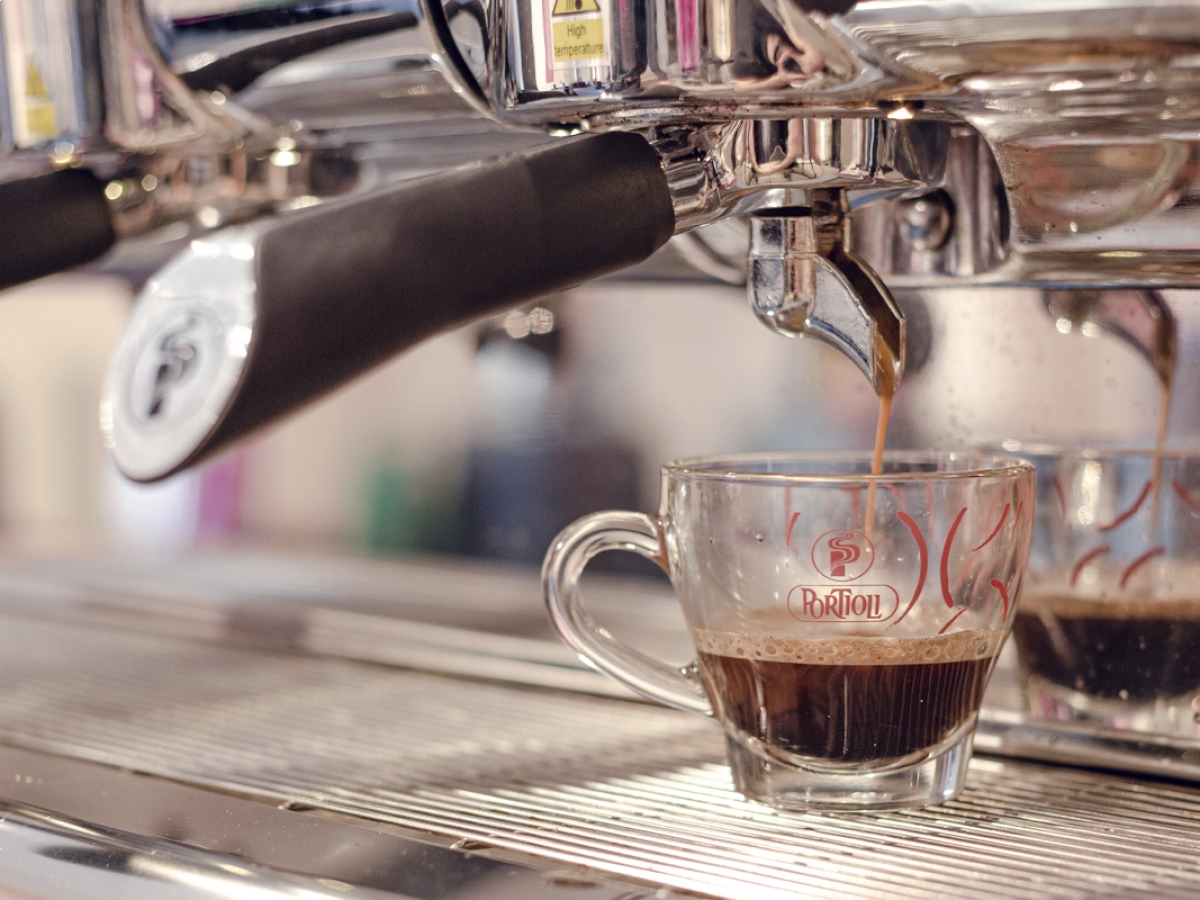
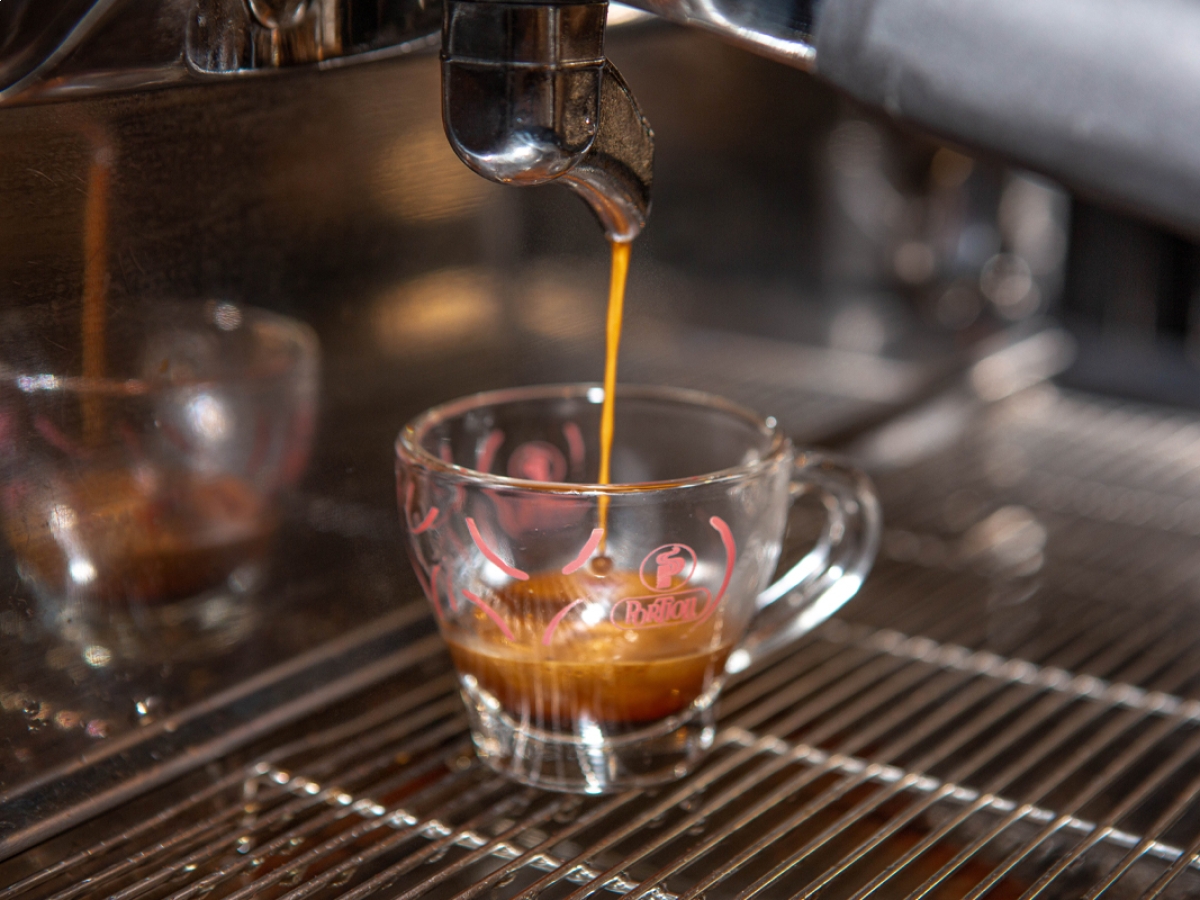
The ideal result is achieved with a steady flow of about 25-30 seconds for 25 ml of espresso, though the timing may vary slightly depending on the machine and the customer’s preferences.
A common mistake is assuming that the correct setting will work forever. In reality, the grind must be adjusted several times throughout the day, because factors such as temperature and humidity affect the particle size and the final result in the cup. The best advice is to frequently test the espresso, observing the crema, the flow, and the taste. An espresso that flows too quickly indicates a coarse grind; one that takes too long signals a grind that is too fine.
Common mistakes to avoid
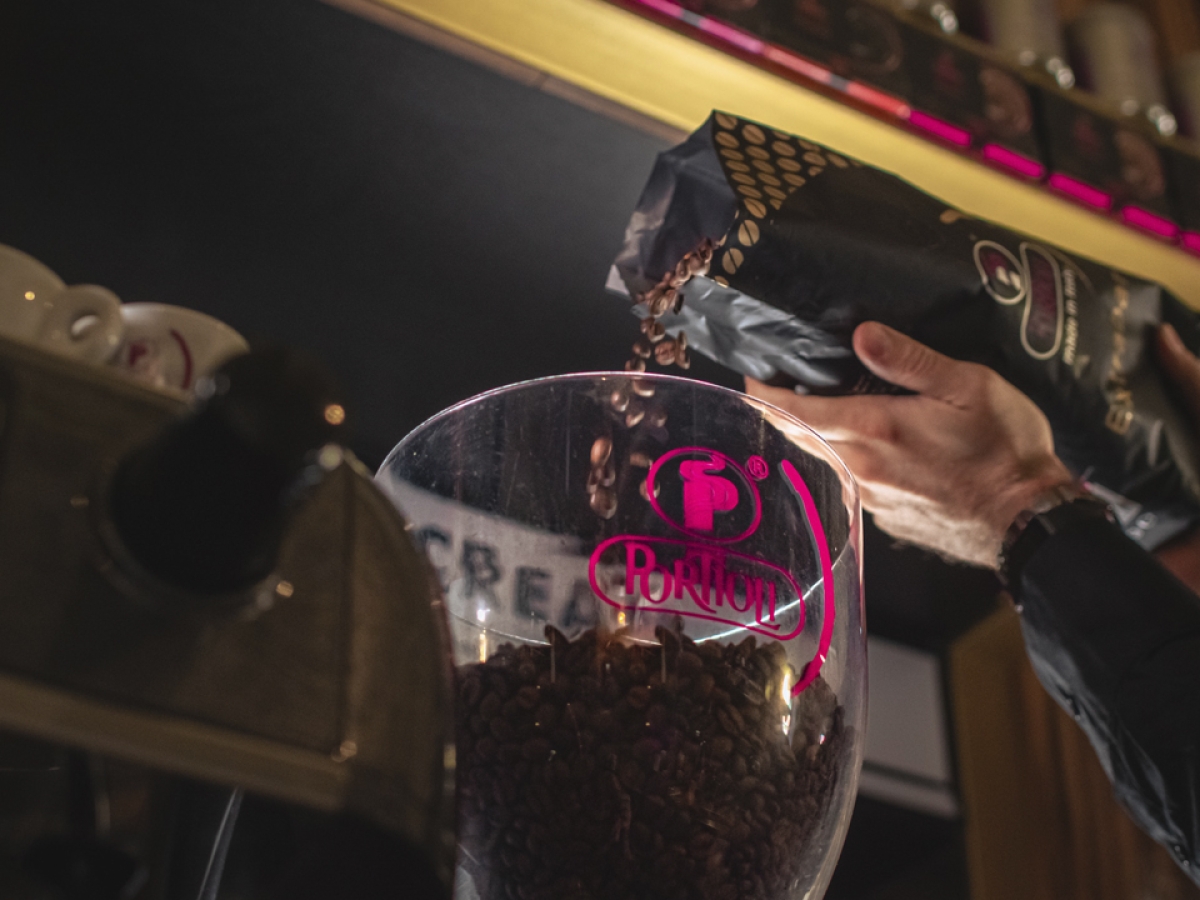
One of the most frequent mistakes is leaving too much coffee in the doser: prolonged contact with air causes the blend to lose freshness and aroma, compromising the quality of the espresso. It’s better to grind only the amount needed at the moment, especially during slower periods.
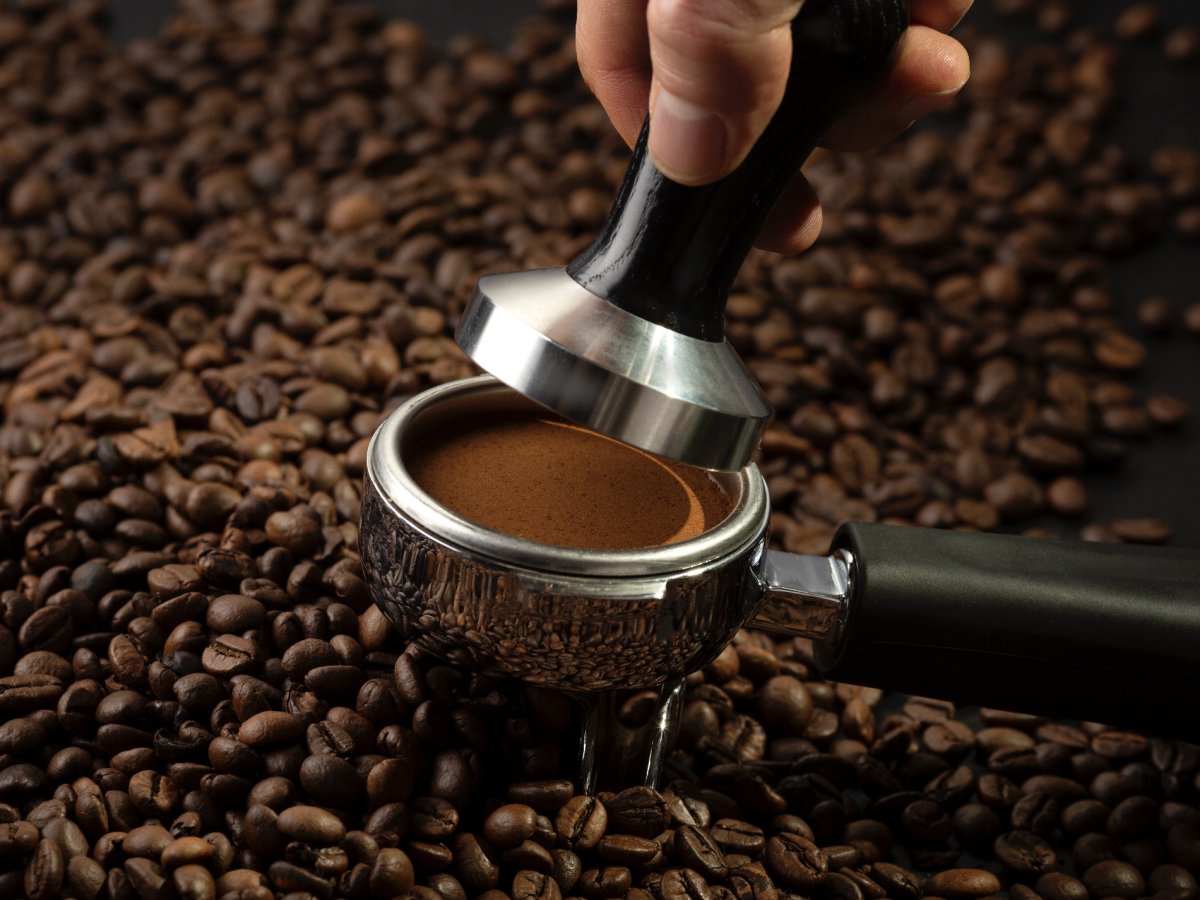
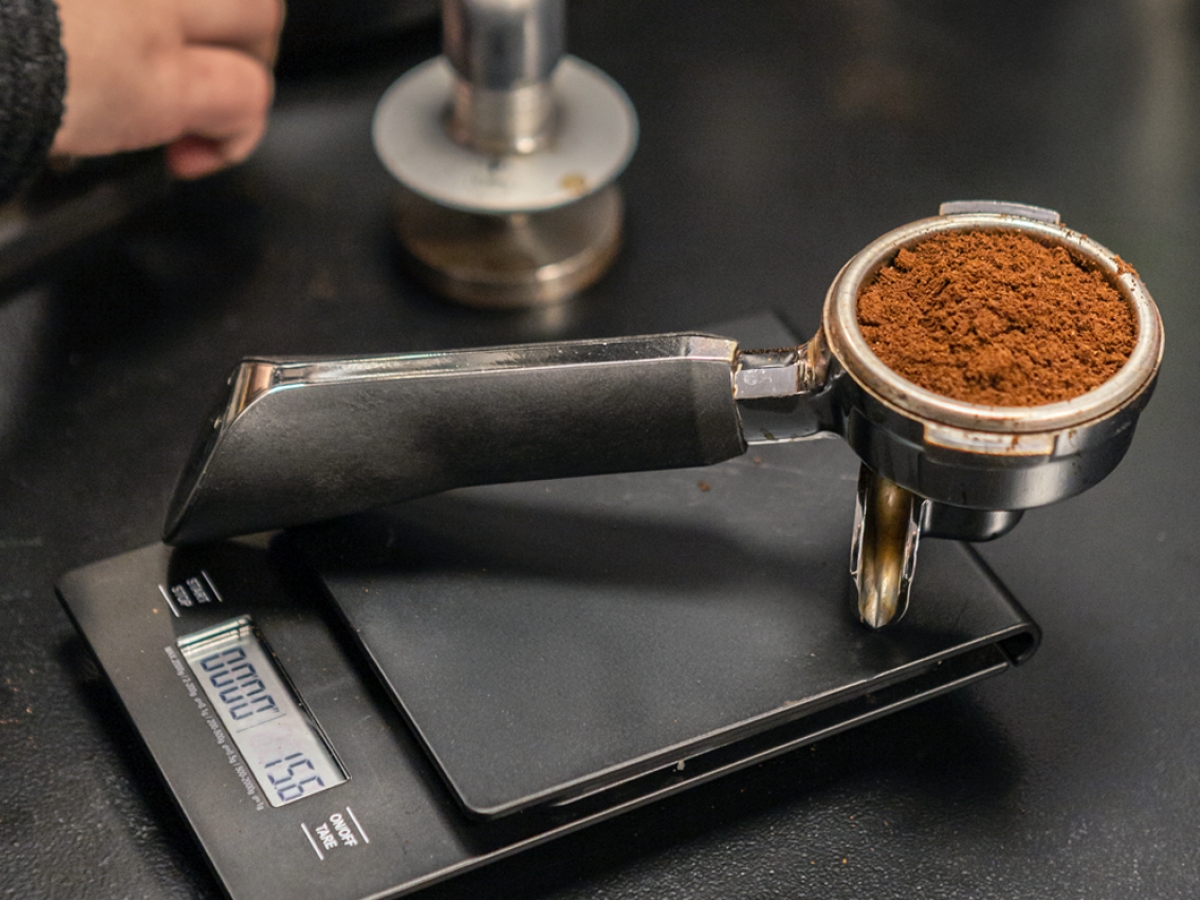
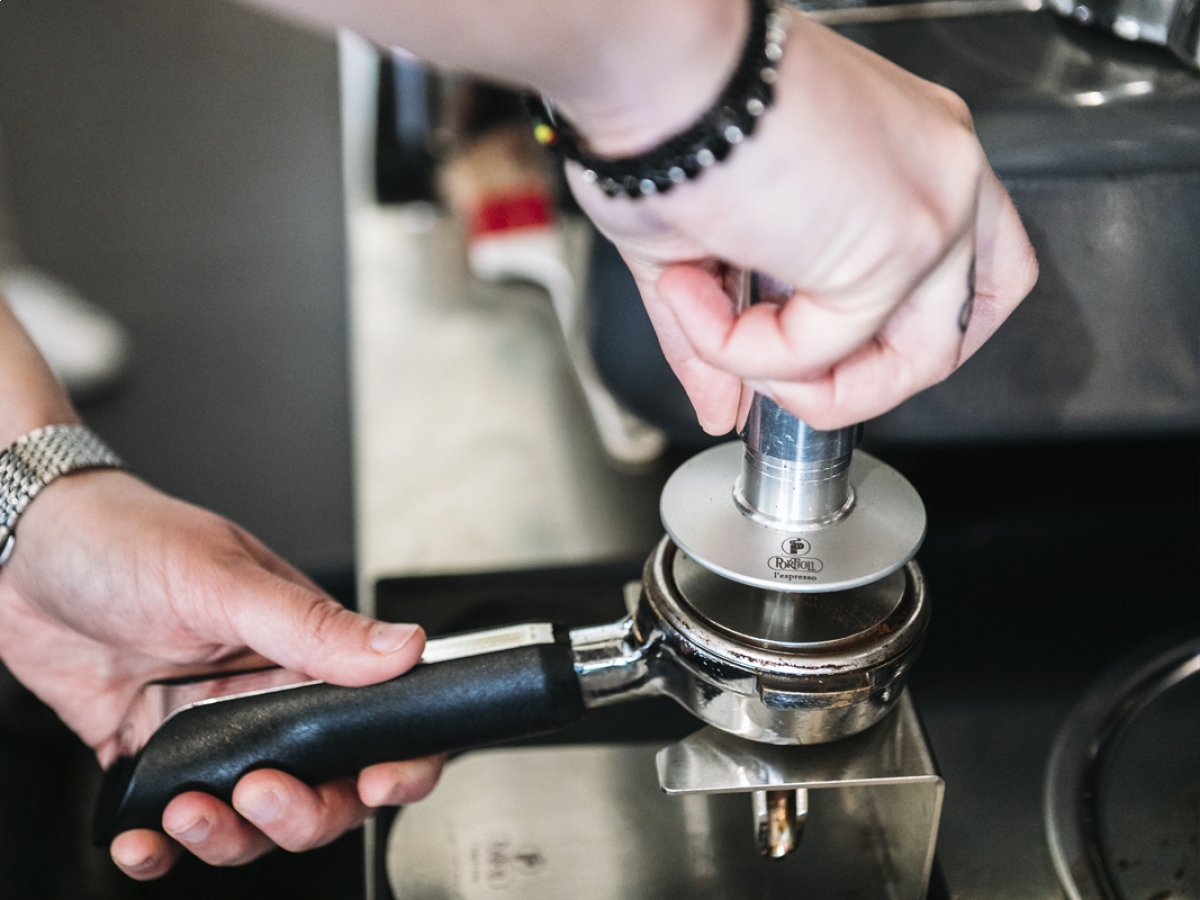
Another mistake is neglecting proper distribution and tamping pressure: if the coffee in the portafilter isn’t evenly distributed, the water will not flow evenly and the extraction will be unbalanced. Worn-out blades also compromise the grind, producing irregular particle sizes that negatively affect the coffee’s taste.
A well-calibrated and properly maintained grinder-doser ensures a consistent grind, improving both the quality of the product and the efficiency of work at the bar station.
Cleaning and care for consistent results
Daily maintenance is essential. Coffee releases natural oils that, if not re, can oxidize and alter the flavour of subsequent extractions. Cleaning the burrs, the hopper, and the doser at the end of each day is fundamental to preserving the blend’s aroma.
Once a week, it’s advisable to perform a deep cleaning by disassembling the main components and using specific detergents or grinder-cleaning granules.
Periodic blades replacement is also crucial: depending on the model, wear can begin after about 400-600 kg of ground coffee. New burrs ensure a more uniform grind and reduce heat production, which could otherwise burn the beans during grinding.
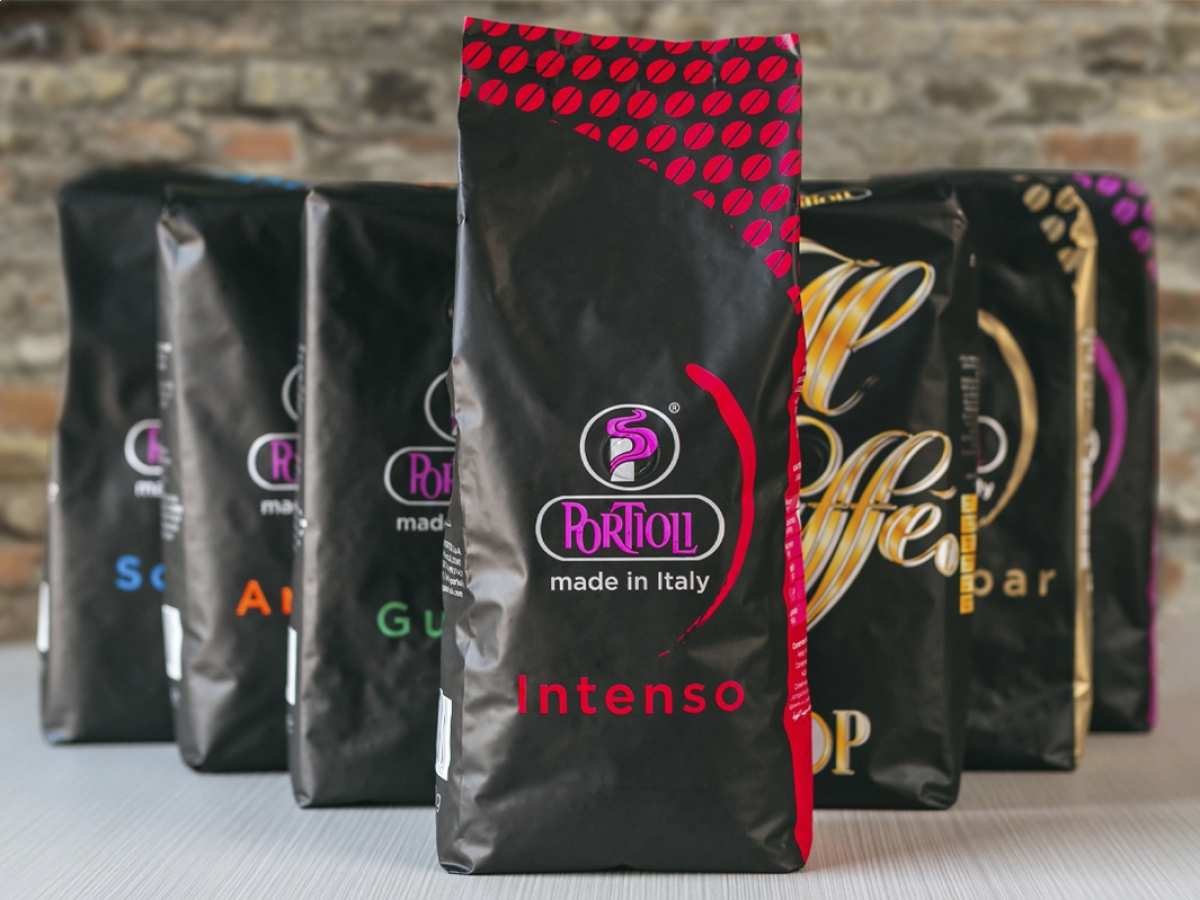
Taking care of the grinder-doser means taking care of coffee quality. It is the tool that translates the roast and the blend into a tangible result: crema, body, aroma. With precise adjustments, consistent maintenance, and attention to detail, every espresso can become the best expression of Portioli coffee.
Related articles

































Portioli Express
Home and office shopping
Experience authentic Italian espresso right at home with our premium blends in a variety of formats.
Go to the shop