






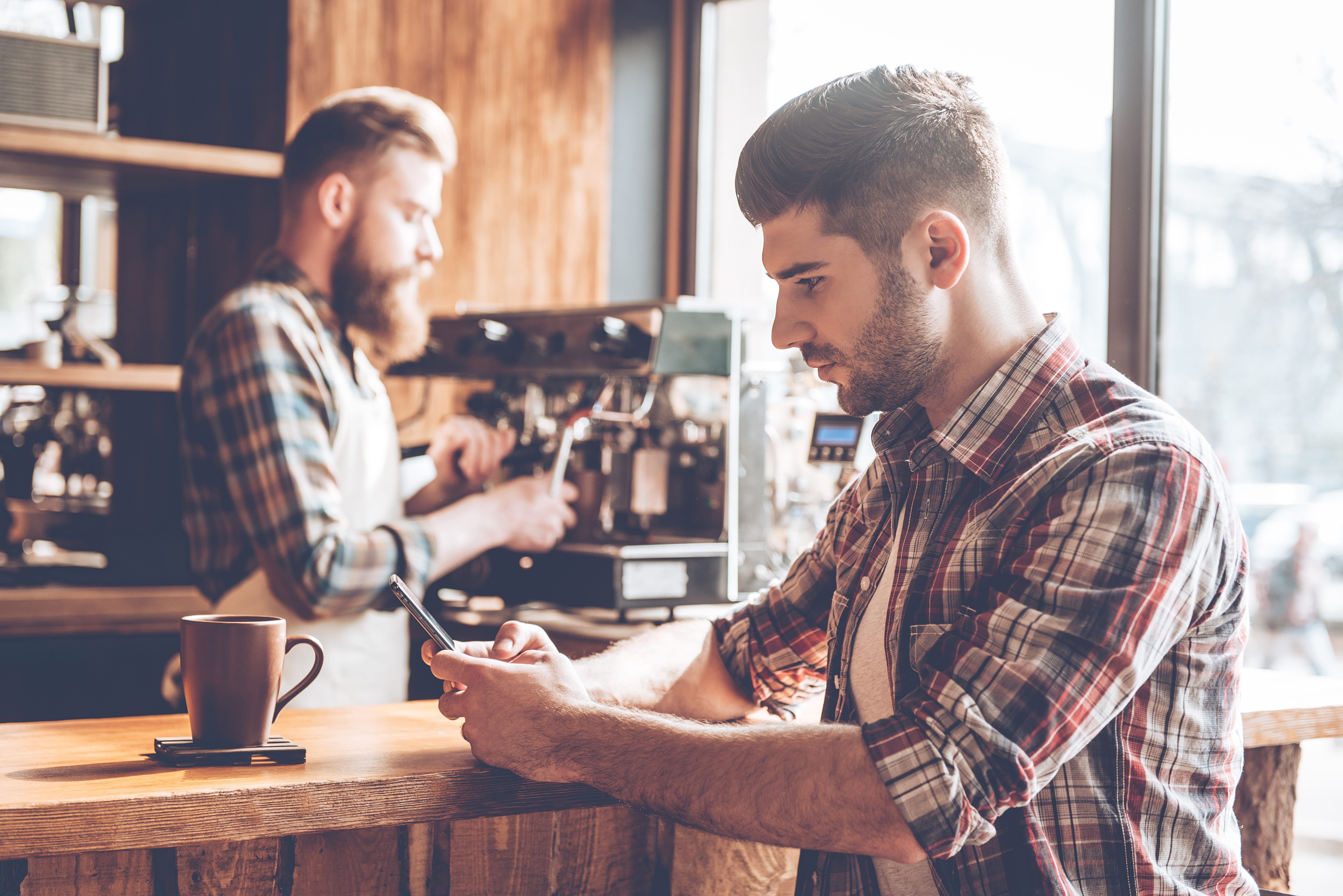
A digital menu for cafés is more than an online version of a printed menu. When designed well, it gives customers a clearer view of what’s available, makes ordering smoother and helps them choose the right option for each occasion.
For café owners, one of the main advantages is the flexibility to update information and keep the menu better organised. Prices, availability, descriptions and seasonal items can all be changed without having to reprint materials every time something changes.
Technology, however, only works when it makes the experience simpler. A digital café menu that is too long, confusing or poorly organised can make the customer experience more complicated rather than simpler.
What a Digital Menu Can Do for a Café
A digital menu can range from very simple to highly integrated. In some cafés, it is simply a way to display the menu through a QR code. In others, customers can select items, place an order from the table or even make a payment.
The right solution depends on the type of service, the different times of day and the role staff continue to play in the customer experience.
In a fast-service café, for example, a QR code menu can give customers time to browse drinks, sweet and savoury options or available alternatives. In a café with table service and a more structured lunch offer, digital tools can also support ordering and reduce some of the steps between the tables and the counter.
The starting point is always the same: understand what customers need and identify which parts of the service can genuinely be made more efficient.
Make Your Café Menu Easier to Navigate
An effective menu starts with a clear, well-organised selection. This becomes even more important on a digital platform, where a smartphone screen offers limited space and forces the information to be prioritised.
Clear sections such as coffee, breakfast, drinks, snacks, lunch or aperitif make the menu easier to navigate, while too many overlapping categories can quickly become confusing.
Descriptions should also be concise. They can explain ingredients, formats or characteristics that make a product distinctive, but if they become too detailed, they slow down the browsing experience.
A good digital menu for cafés should give customers enough information to make a decision while keeping the experience quick, clear and intuitive.
Use a Digital Menu to Support Sales
One of the advantages of digital menus is the ability to change the order in which products are presented. Used carefully, this can turn the menu into a useful sales tool without filling it with promotional messages.
Certain items can be given more visibility because they suit a particular time of day or naturally complement another choice.
At breakfast, for example, the menu can highlight coffee and pastry pairings. At lunchtime, it can give more visibility to lunch deals or set menus. During aperitif, it can suggest something to accompany a drink or something to share.
The aim is not to push customers into adding products they do not want, but to make relevant combinations easier to notice. In this way, the menu can support additional sales when the suggestion makes sense for that particular occasion.
Keep Prices, Availability and Specials Up to Date
One of the most practical benefits of an online menu for cafes is the ability to update content quickly.
An item that has sold out can be removed or marked as unavailable. A seasonal special can be added without changing the entire menu. Prices can also be updated more easily, reducing the risk of different versions of the same menu circulating in the café.
This flexibility is particularly useful when the menu changes between breakfast, lunch and aperitif service.
It does, however, require consistent management. Someone should be responsible for the menu, updates should follow a regular routine and the content should be checked periodically. An outdated digital menu quickly loses its value because customers expect what they see on screen to match what they can actually order.
QR Code Menus and Table Ordering
A QR code menu for cafes can support different levels of functionality. At its simplest, the QR code opens the menu on the customer’s smartphone. The relationship with staff remains unchanged: customers browse the menu and then place their order at the table or at the counter.
A digital menu with online ordering, on the other hand, can allow customers to place their order directly. This is a more structured solution because it affects the café’s entire workflow and needs to integrate smoothly with the counter, kitchen, table service and any point-of-sale systems already in use.
Before introducing a QR ordering system, it is therefore important to consider not only how convenient it is for the customer, but also what happens after the order has been placed. If the system makes ordering faster but the café is not organised to handle incoming orders efficiently, the initial time saving may be lost later in the service process.
Technology works best when it fits the way the café actually operates.
Keep the Human Side of Café Service
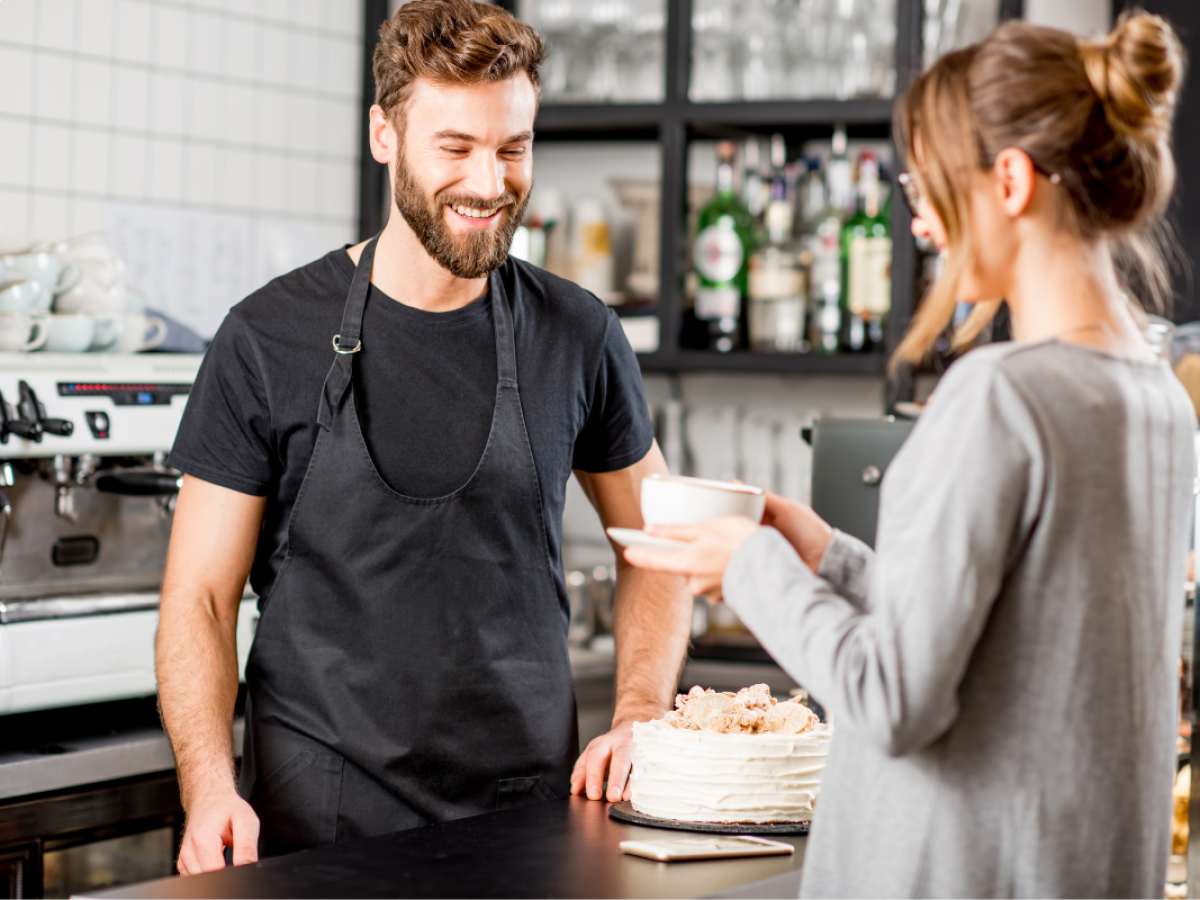
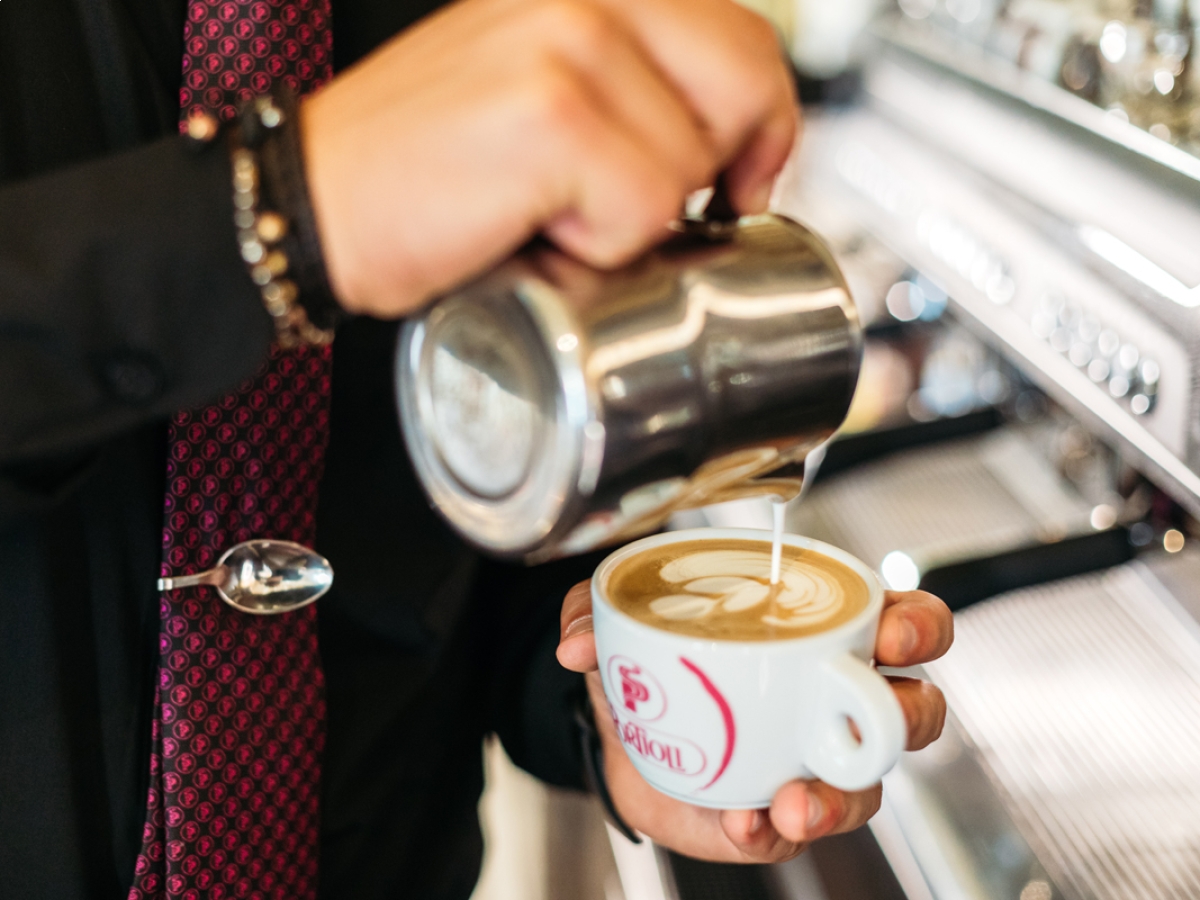
In a café or coffee shop, service remains part of the overall experience. A digital menu can reduce repetitive questions and simplify certain tasks, but it does not necessarily replace the advice and knowledge of staff.
Spending less time answering basic questions can leave more room for interactions that require expertise, such as explaining a coffee blend, recommending a product or helping a customer with specific requirements.
For this reason, a coffee shop digital menu should be designed as a tool that supports the relationship between customer and barista, rather than creating a barrier between them.
In some cafés, it may also make sense to keep a printed version available, particularly for customers who prefer not to use a smartphone. Digital and printed menus can work alongside each other when they serve complementary purposes.
Improve Readability, Images and Menu Information
Text should be easy to read on a smartphone, with sufficiently large type and a clear structure. Images can be helpful when they show the product or make an option easier to understand, but too many can make navigation slower.
Consistency is also important across product names, prices and descriptions. Digital formats make it easier to include additional information such as ingredients, allergens and translations. A multilingual digital menu can be especially useful in tourist areas, allowing cafés to provide different language versions without overcrowding the main menu.
When to Add More Features to Your Digital Menu
Adding every available feature from the start can easily create a system that is more complex than the café actually needs.
For many businesses, it may be more effective to begin with a simple digital menu, well organised and easy to update. Only after seeing how customers and staff use it does it become easier to decide whether table ordering, digital payments or other integrations would add genuine value.
Café owners can observe which products still require explanation and at what times of day the menu genuinely makes the staff’s job easier. The key question is therefore not how much technology can be added, but which parts of the experience it can really simplify.
Make the Digital Menu Part of the Service
An effective digital menu brings together three objectives: helping customers choose, supporting sales and making the service easier to manage.
Achieving this takes more than simply putting a menu online or adding a QR code to the tables. The structure needs to reflect the café’s actual range, remain up to date over time and prove useful at different times of day.
When these conditions are met, a digital menu for cafés stops being just another piece of technology and becomes part of the way the business operates: a tool that guides customers through their choices while helping staff manage service more clearly and efficiently.
FAQ
How Does a Digital Menu for Cafés Work?
A digital menu allows customers to browse the café’s menu on their smartphone, usually by scanning a QR code placed on the table, at the counter or elsewhere in the venue. It may simply display products and prices, or it can include additional functions such as table ordering and digital payments.
What Are the Benefits of a Coffee Shop Digital Menu?
A coffee shop digital menu makes it easier to update prices, products and availability, organise the range more clearly and provide additional information without overcrowding the main menu. It can also make ingredients, allergens and translations easier to access while giving greater visibility to selected products or relevant combinations.
How Do You Create a QR Code Menu for a Café?
To create a QR code menu, you first need an online version of the menu and then a QR code that links directly to it. The code can be placed on tables, at the counter or on other materials inside the café. The most important thing is to make sure the menu is easy to use on a smartphone and straightforward to update.
Can a Digital Menu Take Orders Directly from the Table?
Not necessarily. A QR code menu may simply allow customers to browse the available products. To enable table ordering, the café needs a system that can also receive and manage orders and that fits with its existing operational setup.
Can a Digital Menu Completely Replace a Printed Menu?
It depends on the type of café and its customers. A digital menu can become the main way of browsing the range, but keeping a printed version available may still be useful for people who cannot or prefer not to use a smartphone. The two formats can therefore work together, as long as prices, products and information remain consistent and up to date.
Related articles
































Portioli Express
Home and office shopping
Experience authentic Italian espresso right at home with our premium blends in a variety of formats.
Go to the shop