


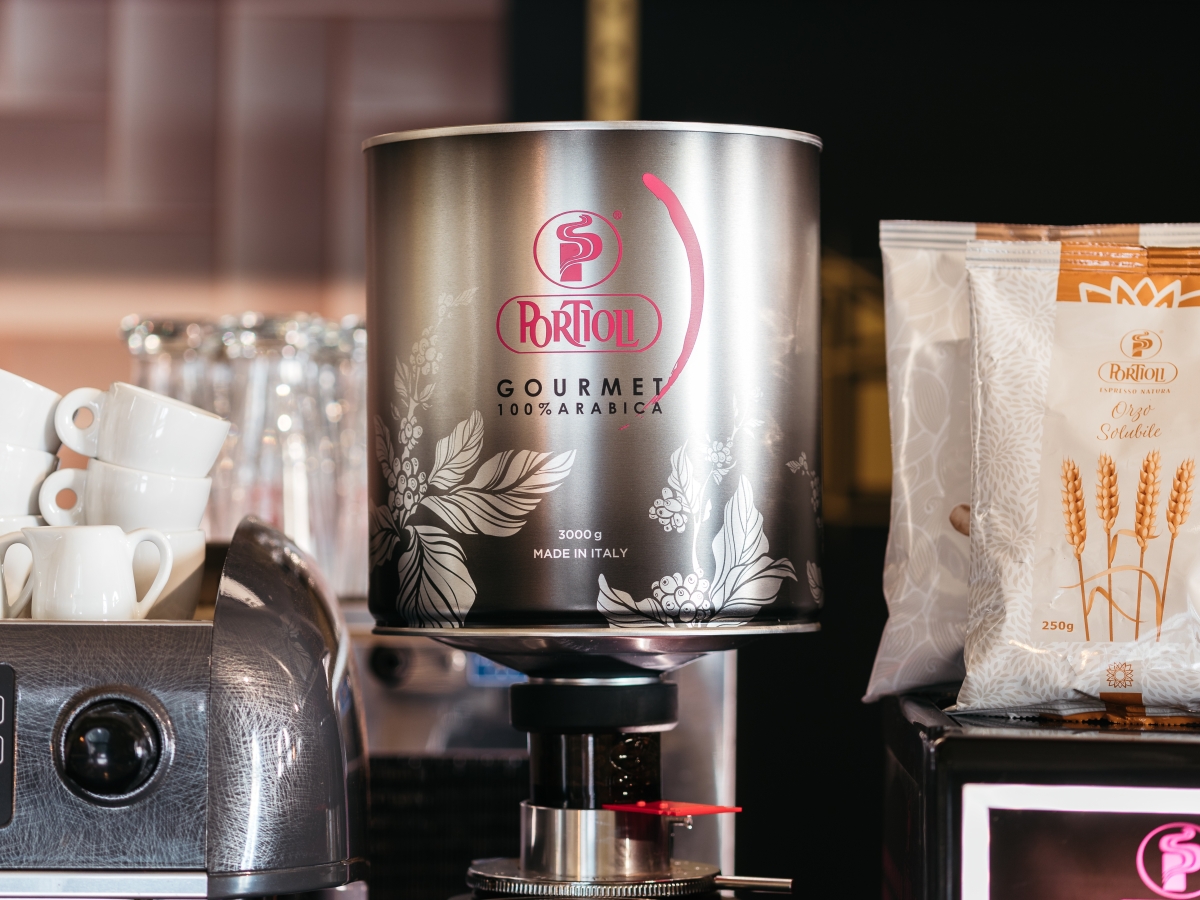
Cafés and coffee shops need to keep enough products in stock to meet customer demand without building up unnecessary supplies in the storeroom. Running out of stock before the next delivery can disrupt service, while overstocking can leave products sitting on shelves for longer than necessary. For owners and managers, the challenge is knowing how much to buy, when to reorder and how much to keep in reserve.
Effective coffee shop inventory management starts with understanding how products are actually consumed. Coffee is used regularly, demand for other drinks may change with the seasons, and some products are only ordered occasionally. Order quantities and replenishment frequency should therefore reflect the consumption patterns of each product.
Track Usage to Plan Your Coffee Shop's Purchasing
Rather than simply repeating the previous supplier order, the starting point should be how much of each product is actually used. Ordering the same quantities may work while sales remain stable, but changes in opening hours, customer numbers or the menu can lead to products building up in storage or running out sooner than expected.
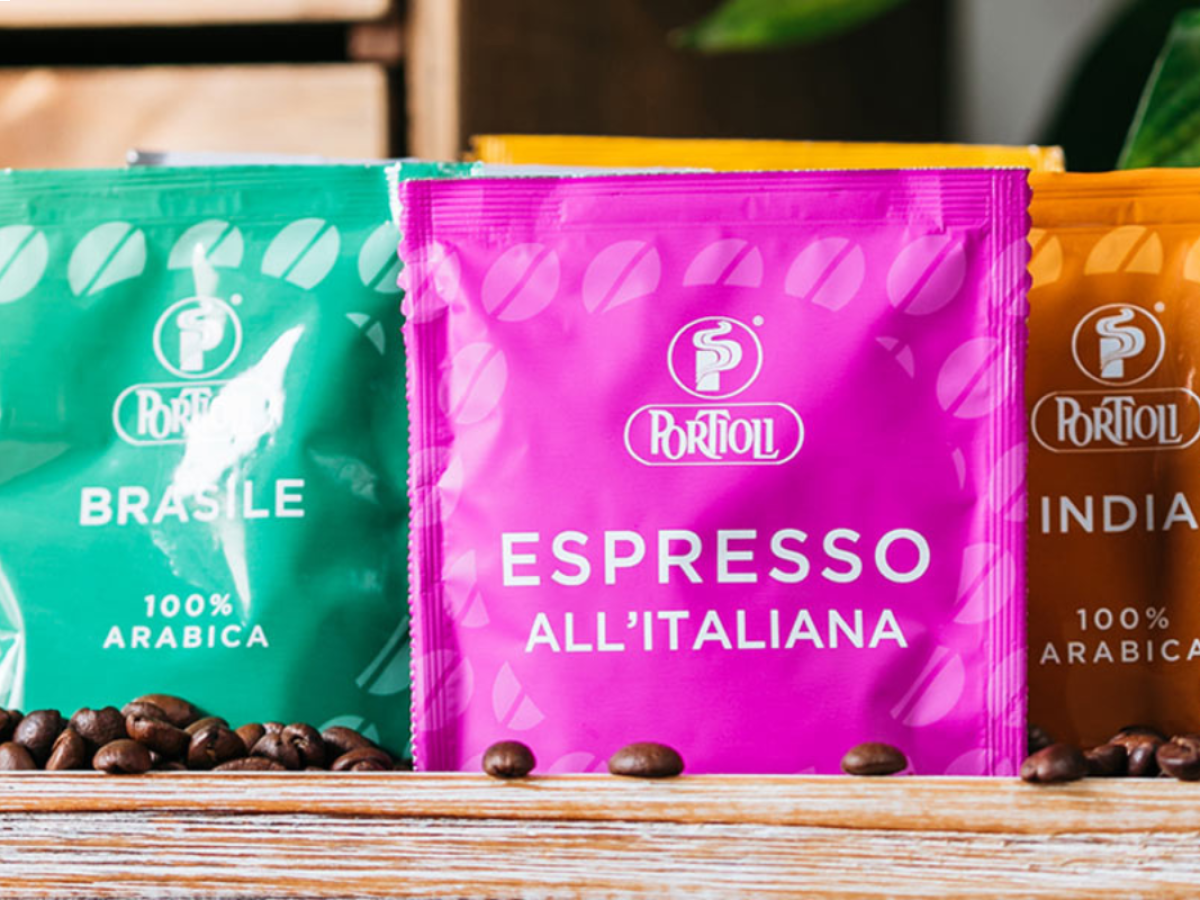
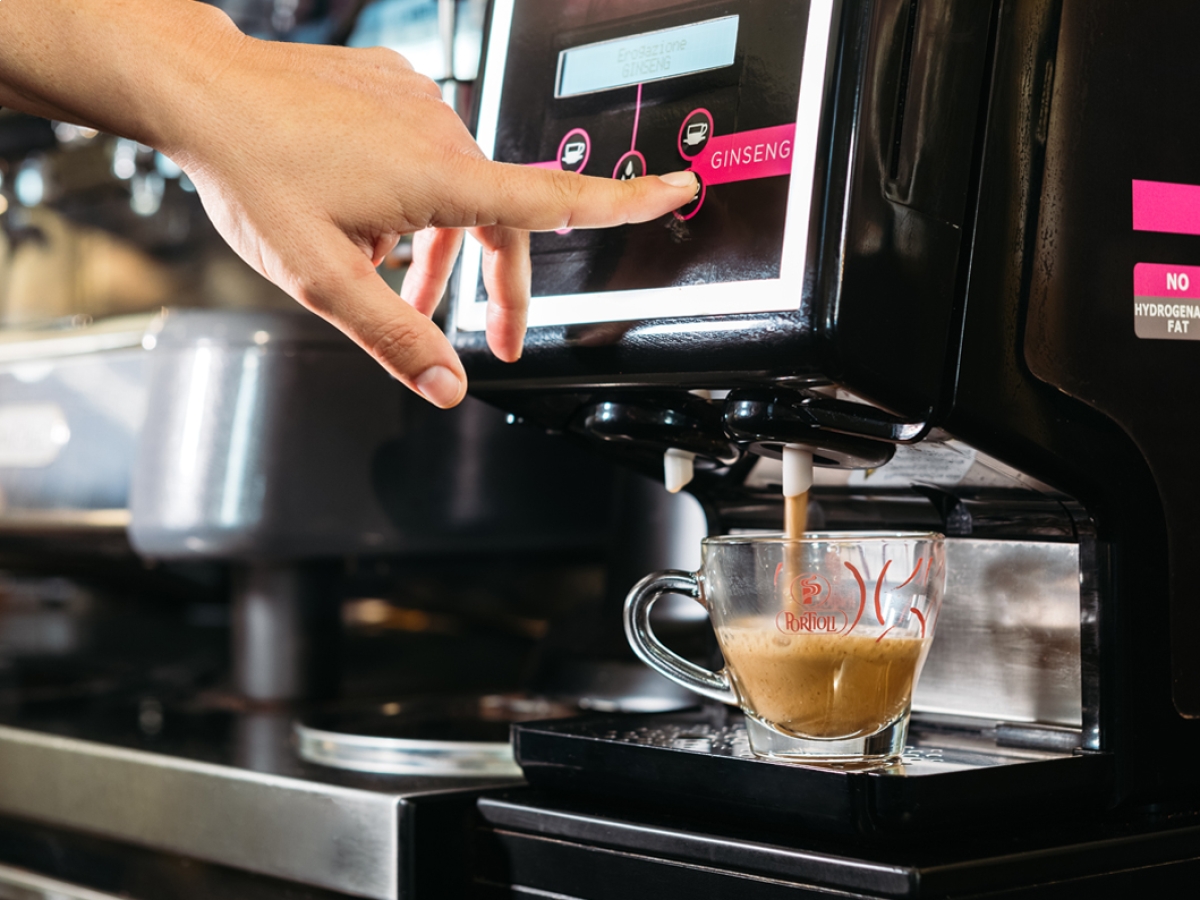
For coffee, the number of espressos and espresso-based drinks served provides a useful basis for estimating requirements, provided that actual coffee doses, grinder adjustments and preparations requiring larger quantities of coffee are also considered. For barley coffee, ginseng coffee and hot chocolate, it is often more practical to look at how many servings are sold and how many portions each pack typically provides.
Reviewing consumption over several weeks provides a useful starting point. It is important to distinguish normal trading days from those affected by special events, closures or unusually high or low customer numbers, so that exceptional circumstances do not distort the estimates.
Café Stock Take and Stock Level Checks
A café stock take should provide an accurate picture of available quantities, allow them to be compared with consumption and show which deliveries are already scheduled. For day-to-day café inventory management, a spreadsheet may be sufficient, provided it is kept up to date.
For each product, it is useful to record:
- Product, pack size and unit of measurement, using consistent criteria for each stock check.
- Stock levels, including products kept in the storeroom and those already available at the counter.
- Average consumption, calculated over a defined period.
- Outstanding orders and scheduled deliveries, recording quantities and delivery dates for each order.
It is important to distinguish stock physically available from quantities due to arrive, so that product availability can be assessed accurately until the next delivery. Open packs should also be recorded according to their remaining contents rather than counted as full packs.
Setting a Reorder Point for Coffee
The reorder point is the stock level at which a new order needs to be planned. It should not be confused with running out of a product: waiting until the last pack has been used can cause problems, particularly when deliveries take several days.
To establish a suitable threshold, cafés should consider typical consumption and supplier lead times, allowing for unexpected demand and variations that may occur during the week or at particularly busy times.
The reorder point should be reviewed whenever consumption patterns or supply arrangements change. Any additional reserve should also be proportionate to the café's needs, without creating unnecessary stock that may remain unused.
Managing Supplier Orders Around Deliveries and Sales
To organise coffee shop orders, it is useful to set aside one or two times each week to review consumption, stock levels and upcoming deliveries. This means that reordering does not depend solely on whoever first notices that a pack is nearly empty.
Supplier lead times are also important. If a product can be delivered within a few days, there may be no need to keep several weeks' worth in storage. Products delivered less frequently, however, may require a larger reserve. Ordering schedules should also take account of staff holidays, bank holidays, changes in opening hours and busier trading periods, all of which can affect the quantities required.
Before adding another pack to an order, it is worth checking current stock levels and deliveries already scheduled. This helps prevent duplicate purchases, particularly when several members of staff are involved in managing the storeroom.
Stock and Reorders for Complementary Products
When ordering complementary products for coffee shops, it is important to consider how many servings each pack provides. Particularly for products ordered less frequently, cafés should check how many portions are still available and how long they are likely to last. Pack sizes and storage instructions after opening can also influence how much stock should be kept.
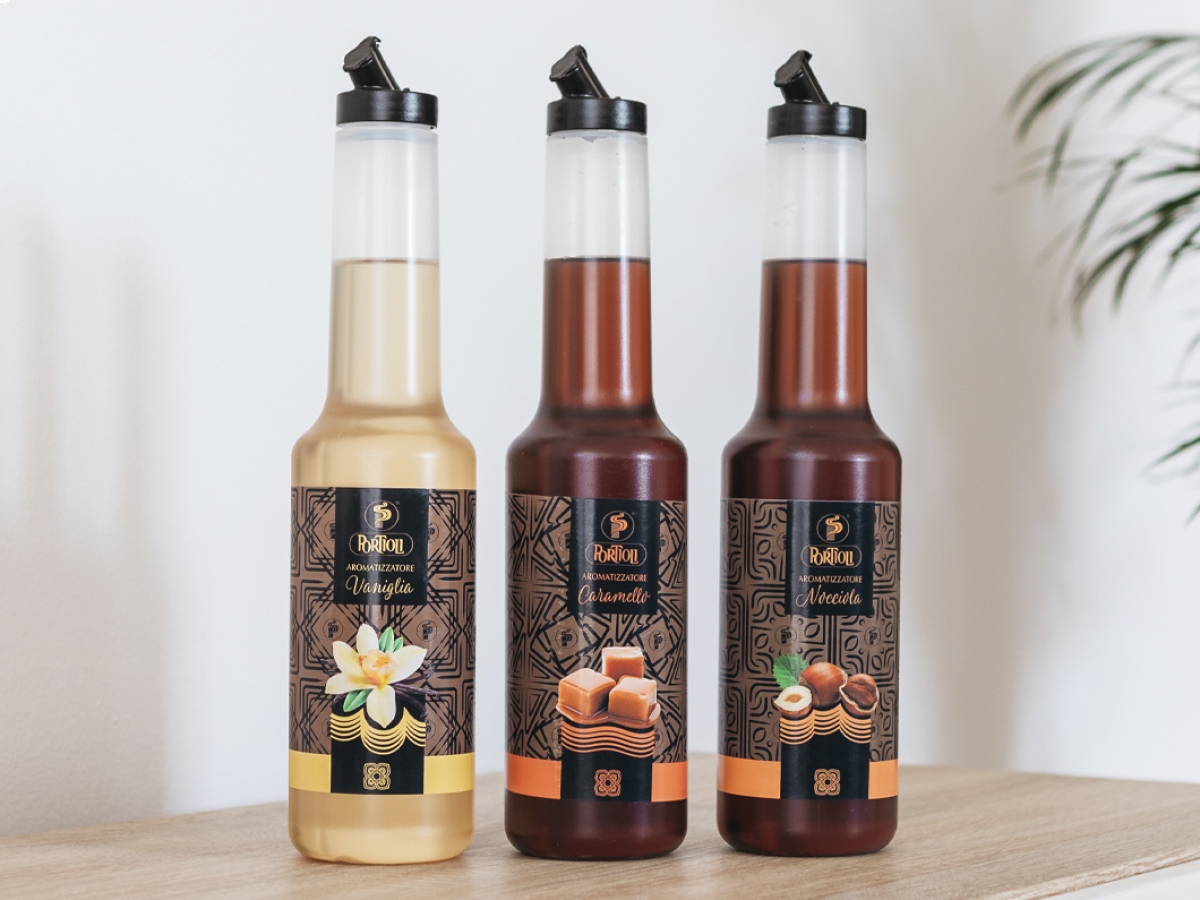
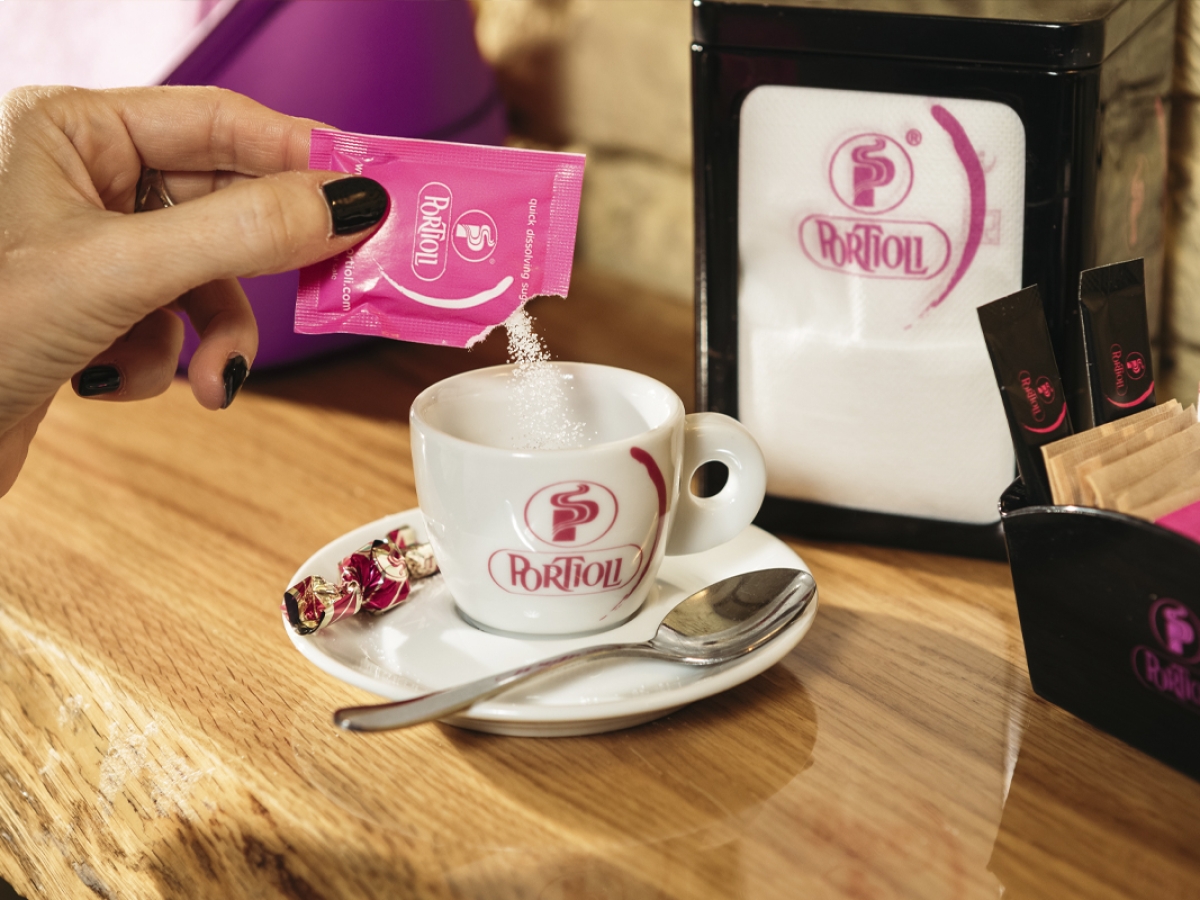
Portioli's range of complementary coffee shop supplies includes barley coffee, ginseng coffee, teas, herbal infusions, hot chocolate, coffee cream and sweeteners. When planning reorders, cafés should compare their consumption with available pack sizes, any minimum order quantities and delivery lead times. These factors help determine which products need to be ordered more frequently and which can be purchased in smaller quantities.
Reducing Waste and Overstocking in Your Café
Stock management does not end when an order is placed. How products are arranged on the shelves can also affect waste. If new deliveries are placed in front of existing stock, some packs may be overlooked until they reach their expiry date. The storeroom should therefore be organised to use products with the earliest expiry dates first, regardless of when they were delivered.
Another consideration is safety stock, which helps cafés cope with unexpected increases in demand or delays in deliveries. For coffee and other products used daily, it may be appropriate to keep a larger reserve, taking delivery times into account. For products with slower stock rotation, however, excessive quantities increase the risk of stock remaining unused.
Supplier offers also deserve careful consideration. Buying larger quantities to obtain a discount is not always worthwhile: any saving on the unit price needs to be weighed against expected consumption and whether the products can be used within their shelf life. Before taking advantage of a promotion, cafés should check existing stock levels and assess how much they can realistically use.
Regular Stock Checks and Inventory Updates
Effective stock control requires clear responsibilities. It is useful to assign one person to oversee stock checks and prepare orders. Counter staff can report products that are running low, but these observations should be checked against stocktake records and scheduled deliveries before making further purchases.
The frequency of stock checks depends on the café's consumption patterns. Products used every day may require more frequent checks than slower-moving items. Recording occasions when products run out or remain unused helps managers adjust future orders and keep stock levels in line with the café's actual needs.
FAQ
How Often Should a Café Do a Stock Take?
It depends on the volume of business and the types of products involved. Coffee and other frequently used items may require regular checks, while slower-moving products may only need a weekly stocktake, provided expiry dates are also monitored.
How Much Coffee Should a Café Order?
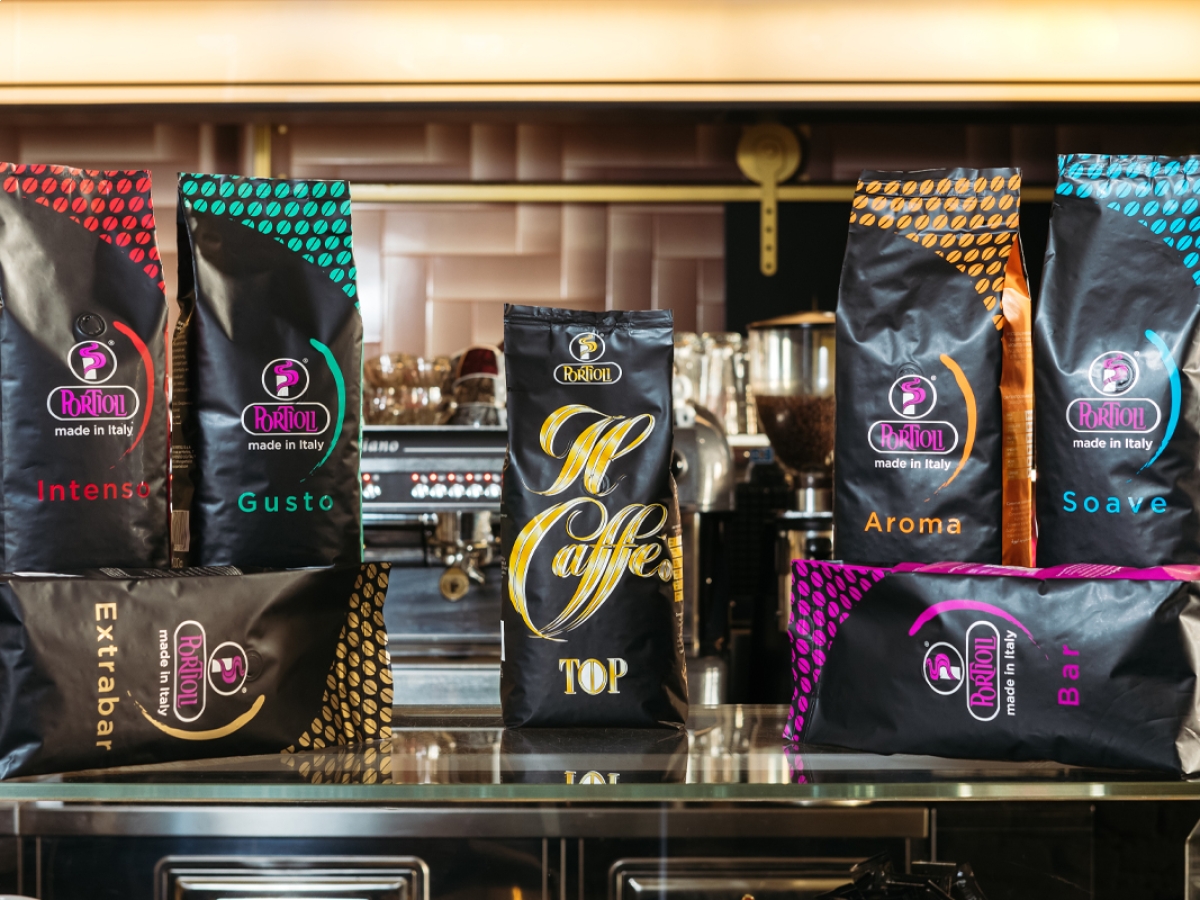
To estimate how much coffee to buy, start with the doses actually used, check current stock levels and take account of deliveries already scheduled. The quantity required also depends on supplier lead times and possible changes in consumption.
How Do You Manage Stock of Complementary Products?
It is useful to group products according to how frequently they are consumed and seasonal demand, check pack sizes and expiry dates, and set different reorder quantities for each group rather than applying the same quantities used for coffee.
Related articles





















































Portioli Express
Home and office shopping
Experience authentic Italian espresso right at home with our premium blends in a variety of formats.
Go to the shop